Category: Chinook Salmon Gear

Gear guides and setup breakdowns for Chinook salmon fishing in Pacific Northwest rivers, covering rods, reels, line, leader, knots, and terminal tackle.

  • Best Leader Line for Chinook Salmon

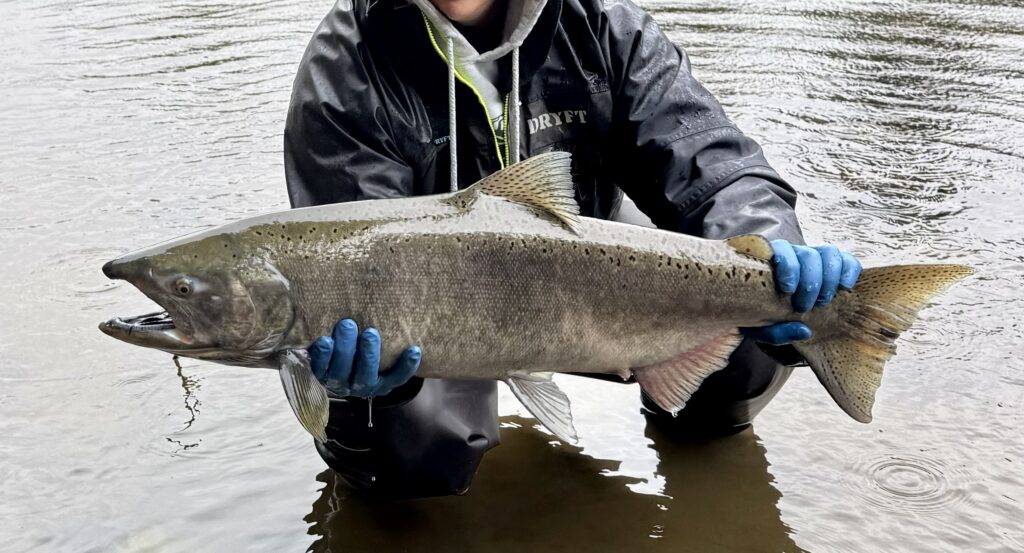
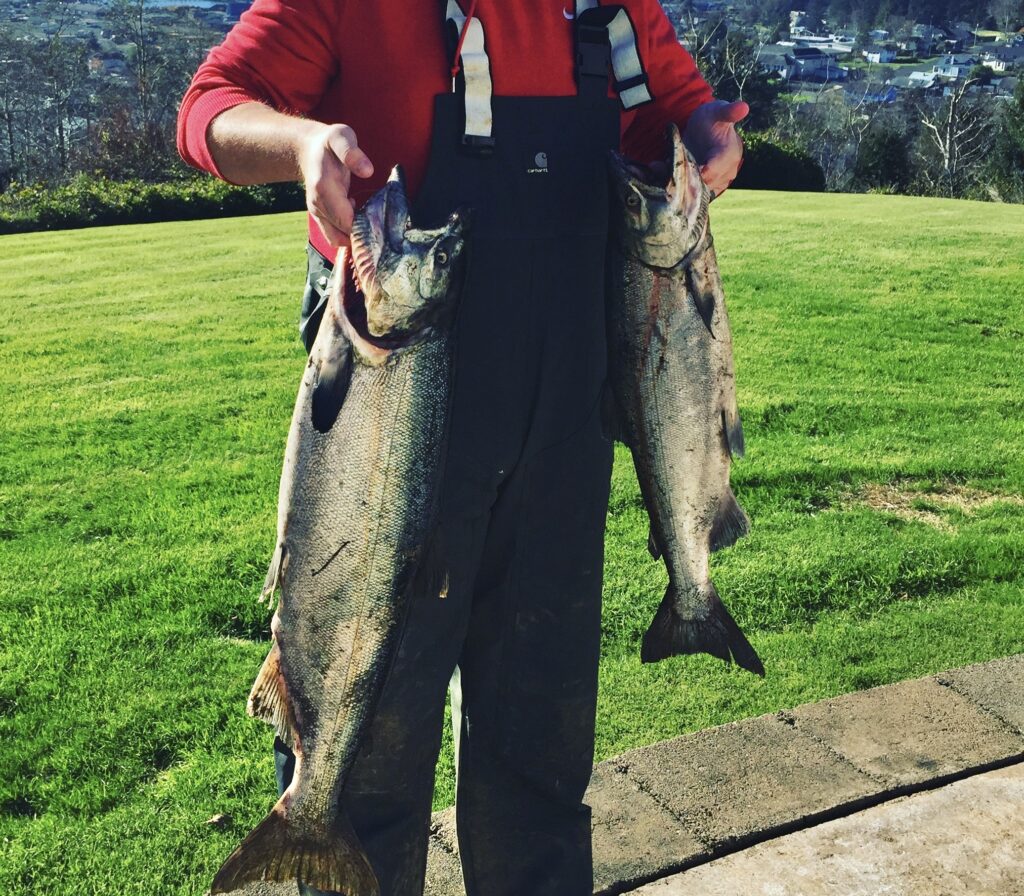
    A fisherman holding up two Chinook salmon

    Affiliate Disclosure
    This post may contain affiliate links. If you purchase through these links, I may earn a commission at no additional cost to you.

    When I’m fishing for Chinook salmon on Pacific Northwest rivers, I almost always run braided main line, but I rarely ever tie directly to it. The leader is where I control abrasion resistance, visibility, and how my presentation behaves in the water. Choosing the right leader line matters just as much as your rod or reel, especially when you’re dealing with big fish, heavy current, and rocky river bottoms.

    How you connect that leader to braided main line is just as important — this guide breaks down the knots I trust for salmon and steelhead fishing.

    For my style of Chinook fishing, fluorocarbon is the go-to leader material. It’s tougher around structure, sinks better, and gives me more confidence in clear water than mono. Below is a breakdown of the best leader lines for Chinook salmon, including the ones I personally buy and fish, when colored line makes sense, and why running a leader is almost always better than tying straight to braid.


    Quick Answer: Best Leader Line for Chinook Salmon

    For most river-fished Chinook salmon, a fluorocarbon leader in the 20–30 lb range is the best all-around choice. This range provides plenty of strength for landing big fish while maintaining good abrasion resistance, a faster sink rate than mono, and lower visibility in clear water. Running a leader also protects your braided main line and helps prevent losing expensive terminal gear during break-offs

    🎯 Quick Picks

    🟢 Best Overall: Seaguar STS Salmon Fluorocarbon
    🟢 Best Value: P-Line Salmon & Steelhead Select
    🟢 Most Abrasion Resistant: Seaguar Blue Label
    🟢 Easy to Find: Bass Pro Shops XPS KVD
    🟢 Best Colored Option: SpiderWire Stealth / Berkley Trilene (Moss Green)


    Best Fluorocarbon Leader Lines for Chinook Salmon

    These are the fluorocarbon leader lines I trust and use for Chinook fishing, starting with the two I personally buy most often.


    Seaguar STS Salmon Fluorocarbon (Personal Favorite)
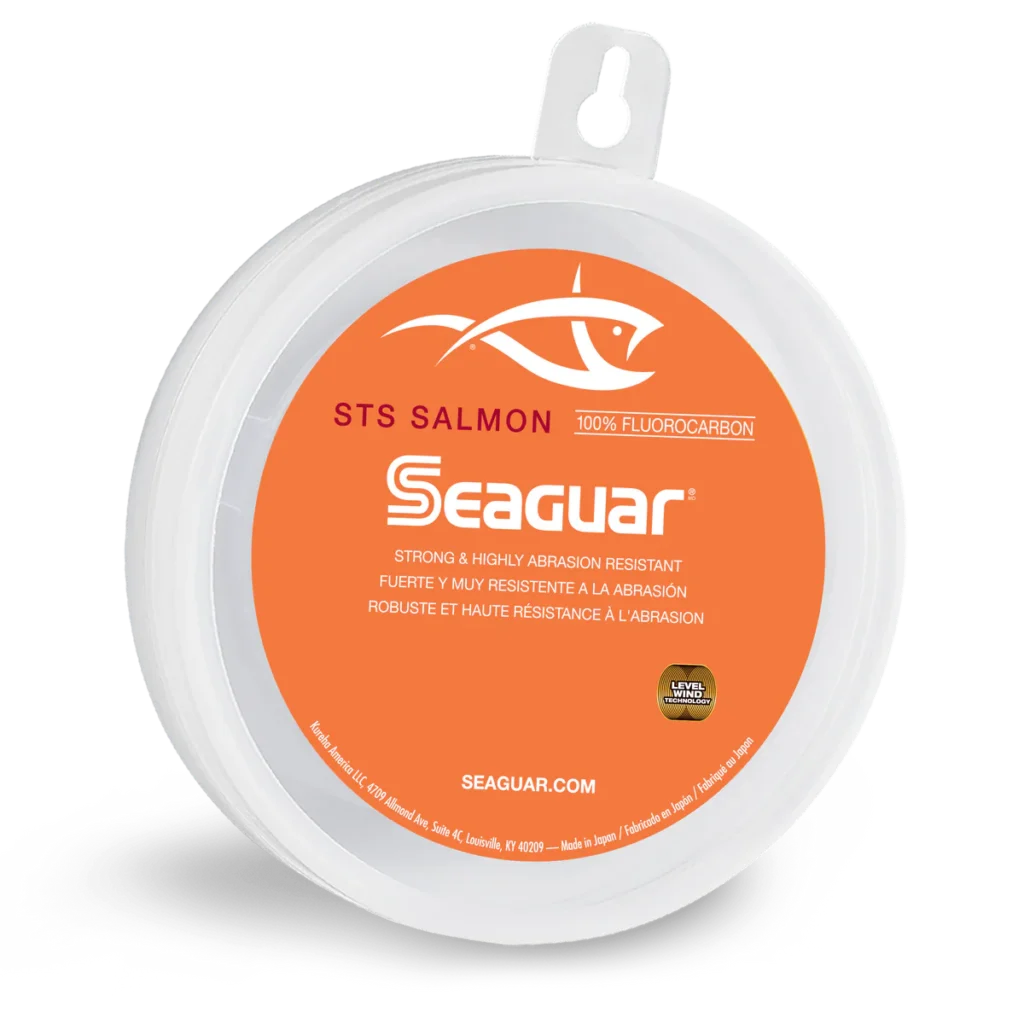
    Seaguar STS Salmon Fluorocarbon fishing line spool

    Seaguar STS Salmon Fluorocarbon is one of my go-to leader materials for Chinook. It’s designed specifically for salmon applications, and it shows. The line is tough around rocks and structure, holds knots well, and has a consistent diameter that inspires confidence when you’re fighting heavy fish in current.

    I use this line for:

    • Drift fishing
    • Bobber setups
    • Clear to moderately colored water

    If I had to recommend one fluorocarbon leader for Chinook to most anglers, this would be it.


    P-Line Salmon & Steelhead Select Fluorocarbon (Personal Favorite)
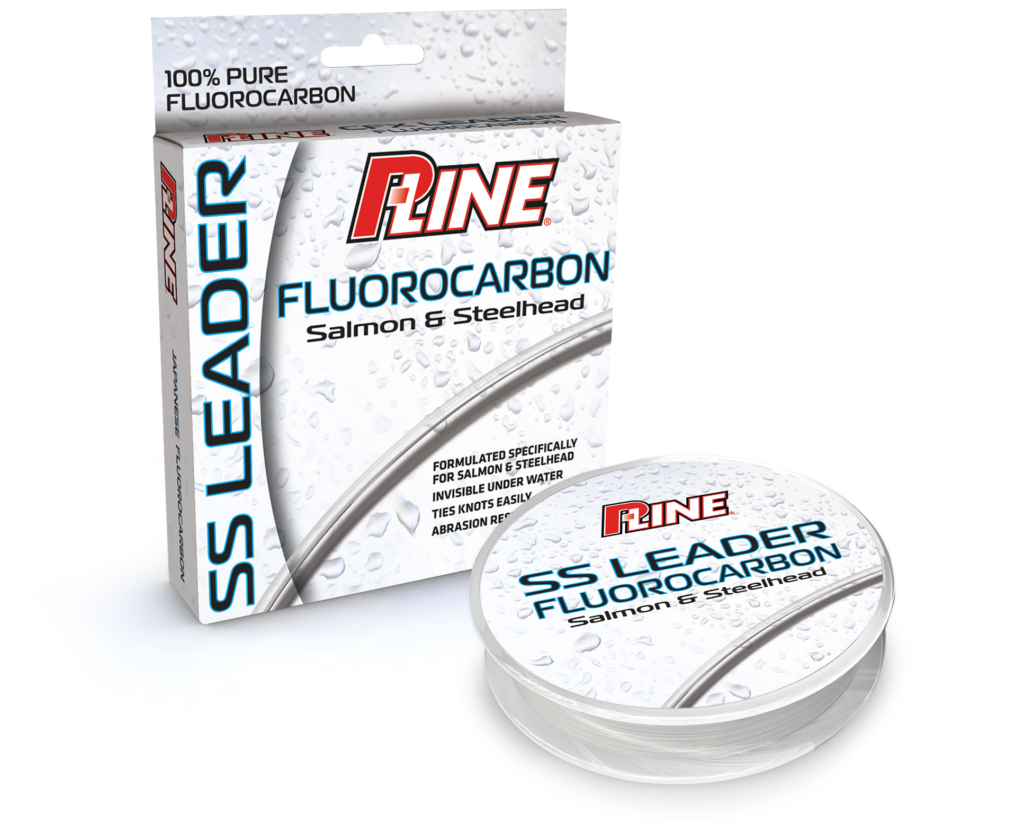
    P-Line SS fluorocarbon fishing line spool

    P-Line Salmon & Steelhead Select is another leader line I fish regularly. It’s built with salmon and steelhead fishing in mind and strikes a great balance between durability and manageability. It’s strong without being overly stiff, and it performs well across a wide range of river conditions.

    This is a solid choice when you want a reliable fluorocarbon leader that doesn’t require overthinking.


    Bass Pro Shops XPS KVD Signature Series Fluorocarbon
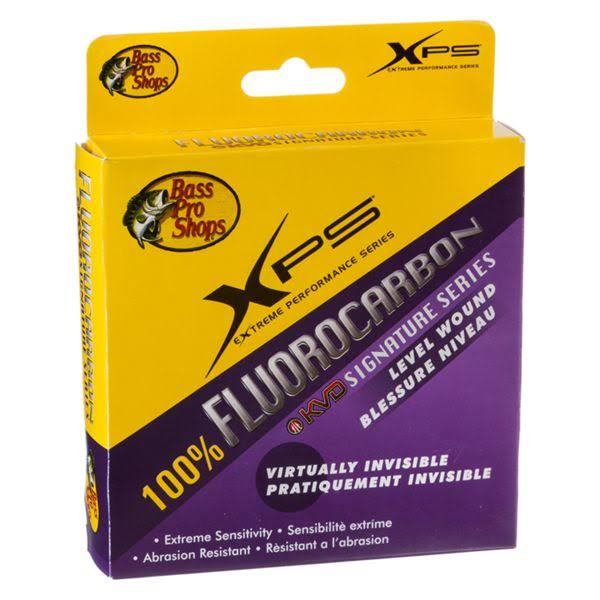
    Bass Pro Shops XPS KVD fishing line spool

    The Bass Pro Shops XPS KVD Signature Series Fluorocarbon is a good, widely available option. It’s consistent, reasonably abrasion resistant, and easy to find when you need leader material quickly. While it’s not marketed specifically for salmon, it performs well as a Chinook leader line.

    This is a good value pick, especially if you’re buying leader material locally.


    Seaguar Blue Label Fluorocarbon
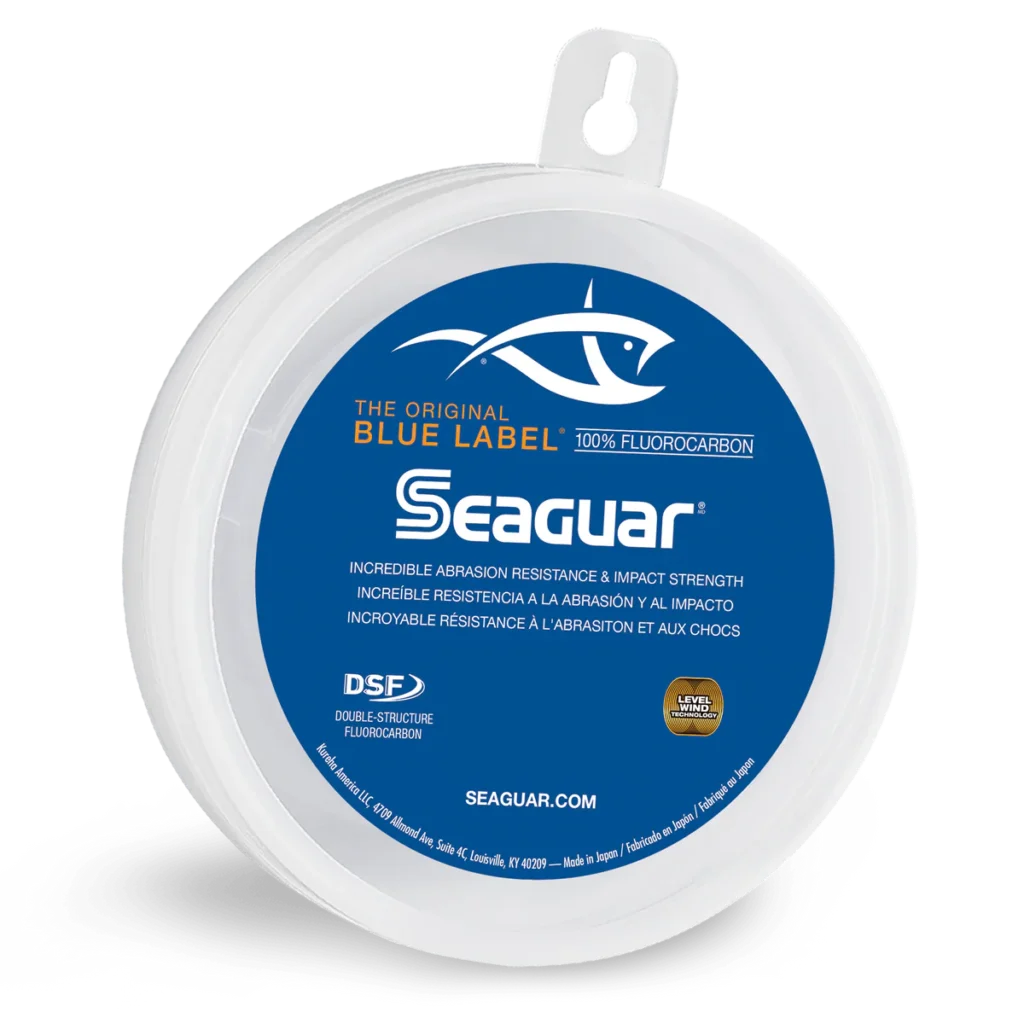
    Seaguar Blue Label fluorocarbon fishing line spool

    Seaguar Blue Label is known for its toughness. It’s stiffer than STS, but that stiffness comes with excellent abrasion resistance. This makes it a good choice for plug fishing, heavy structure, or situations where leader durability matters more than finesse.

    If you’re fishing around sharp rocks or wood and want maximum toughness, Blue Label is worth considering.


    SpiderWire Stealth or Berkley Trilene Fluorocarbon (Moss Green)
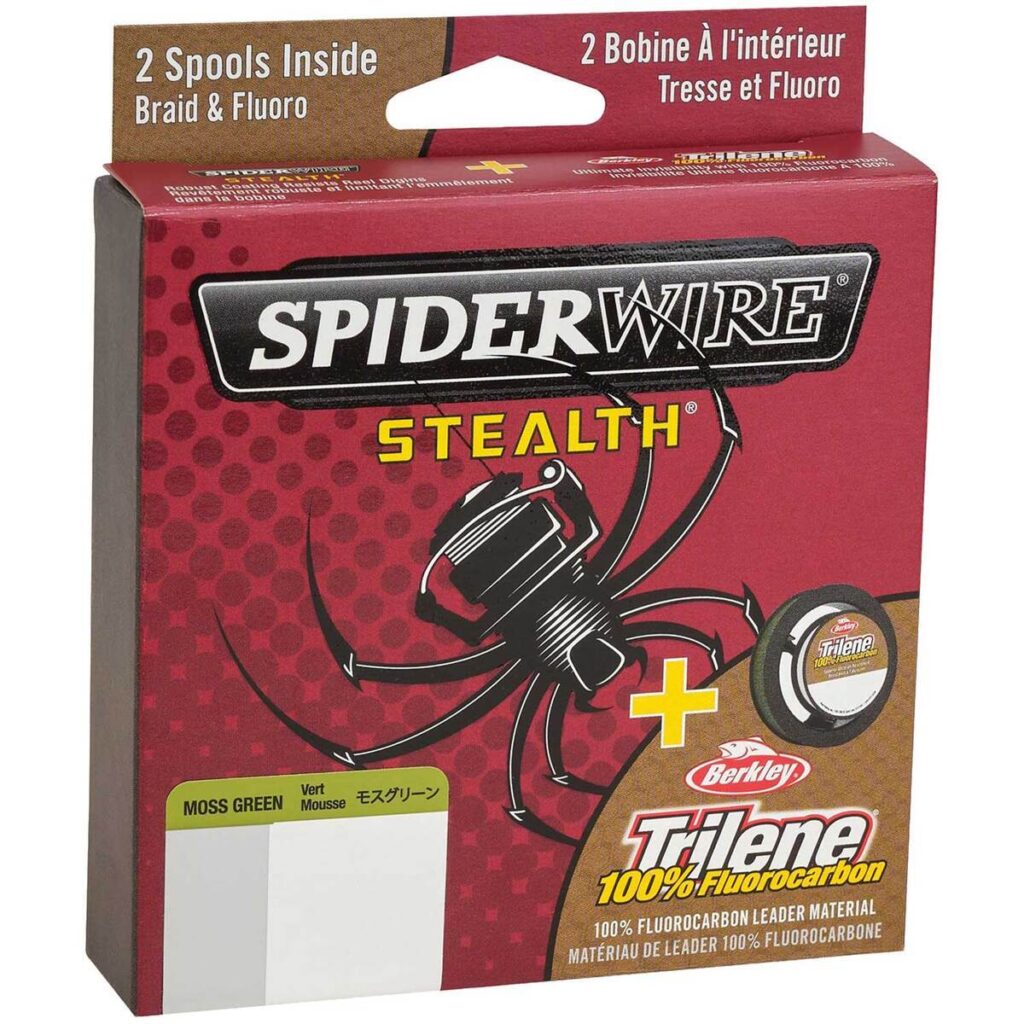
    Spider Wires Stealth Fluorocarbon fishing line spool

    Both SpiderWire and Berkley offer fluorocarbon leader lines in moss green, which opens the door for a discussion about colored leader material. These lines are reliable and perform well, especially in slightly stained water or rivers with vegetation.

    While I personally default to clear fluorocarbon, moss green can make sense in the right conditions.


    Clear vs Colored Fluorocarbon Leader Line

    Why I Prefer Clear Fluorocarbon

    Clear fluorocarbon is my default choice for Chinook fishing because:

    • It’s less visible in clear water
    • It gives me confidence when fish are pressured
    • It blends naturally in most river conditions

    In low, clear water — especially during spring Chinook season — line visibility can matter. Clear fluorocarbon helps eliminate one more variable.

    When Colored Fluorocarbon Makes Sense

    Colored fluorocarbon, like moss green, isn’t bad — it’s situational. It can be useful when:

    • Water has some color
    • There’s vegetation in the river
    • You want better line visibility for yourself

    In those cases, the reduced visibility to the angler is often offset by conditions where fish are less line-shy.


    Why Fluorocarbon Is the Preferred Chinook Leader

    Abrasion Resistance

    Chinook live in places that destroy weak leader material — rocks, wood, and heavy current seams. Fluorocarbon holds up far better than mono in these conditions.

    Faster Sink Rate

    Fluorocarbon sinks faster than monofilament, which helps:

    • Keep drift rigs down
    • Maintain better bobber control
    • Get presentations into the travel lane where Chinook move

    Knot Strength

    Modern fluorocarbon, especially from manufacturers like Seaguar and P-Line, has excellent knot strength when tied properly. Once cinched down correctly, it’s extremely reliable.

    Lower Visibility

    Fluorocarbon’s refractive index is closer to water than mono, making it harder for fish to see — especially in clear conditions.


    Why We Use a Leader Instead of Tying Directly to Braid

    I run braided fishing line for Chinook salmon as my main line on most setups, but tying directly to braid creates problems.

    First, braid has very poor abrasion resistance. One bad rub on rocks or structure can end your day. Second, if you break off while tied straight to braid, you risk losing expensive gear — floats, sliders, and terminal tackle that is attached to your main line.

    By running a leader:

    • Break-offs usually happen at the leader
    • You lose only what’s attached to the leader
    • Your main line and expensive components stay intact

    Leaders also make it easy to:

    • Change pound test
    • Adjust length
    • Adapt to changing water conditions without respooling


    What Pound Leader Should You Use for Chinook Salmon?

    For river fishing from the bank, I keep my leader strength lighter than many generic salmon guides suggest. I’m not fishing offshore or trolling heavy gear — I’m fishing rivers where presentation and control matter more than brute strength.

    Here’s how I realistically approach leader strength:

    • 20 lb – The lightest I’ll go. This is reserved for very clear water and finesse situations where stealth matters most.
    • 25 lb – My most commonly used leader strength. This is where I “live” for most Chinook river fishing. It offers a great balance of strength, abrasion resistance, and presentation.
    • 30 lb – A popular choice for many anglers and still perfectly reasonable for river fishing, especially around slightly heavier structure or when extra confidence is needed.

    Anything above 30 lb for bank fishing in rivers is a niche situation in my experience. Heavier leader can make sense in very specific scenarios, but it’s not something I run regularly, and it’s rarely necessary for most Chinook river setups.

    Lighter leaders pair better with responsive setups, while heavier leaders are more forgiving when fishing around structure with casting reels for Chinook salmon.

    Most of my Chinook fishing is done with 25 lb fluorocarbon, adjusting lighter or heavier only when conditions clearly call for it.

    Frequently Asked Questions


    What is the best leader line for Chinook salmon?

    For river-fished Chinook salmon, a fluorocarbon leader is the best choice. Fluorocarbon offers better abrasion resistance, a faster sink rate, and lower visibility than mono, making it well suited for Pacific Northwest rivers.

    Fluorocarbon or monofilament leader for Chinook salmon?

    Fluorocarbon is my preferred leader material for most Chinook fishing because it’s tougher around rocks, sinks better, and is harder for fish to see. Monofilament can still have a place in niche situations, but fluorocarbon is the better all-around option.

    What pound leader should I use for Chinook salmon?

    For bank fishing in rivers, 20–30 lb fluorocarbon covers most Chinook situations. I rarely go lighter than 20 lb, and 25 lb is my most commonly used strength. Anything above 30 lb is usually a niche situation for river fishing.

    Should I tie directly to braid when salmon fishing?

    No. Tying directly to braid increases break-offs and can cause you to lose expensive terminal gear. Running a leader protects your braided main line and ensures that if something breaks, it’s usually the leader—not your entire setup.

    Is colored fluorocarbon leader bad for salmon fishing?

    No. Colored fluorocarbon, such as moss green, can work well in slightly stained water or around vegetation. In clear water, however, clear fluorocarbon is usually the better choice for reducing line visibility.

    How long should a Chinook salmon leader be?

    Most Chinook leaders fall in the 3-foot range, depending on technique and conditions. Shorter leaders offer better control, while longer leaders can help in clear or pressured water.
  • Best Braided Fishing Line for Chinook Salmon (River Fishing)

    Affiliate Disclosure
    This post may contain affiliate links. If you purchase through these links, I may earn a commission at no additional cost to you.

    Braided line has become the standard for Chinook salmon fishing in Pacific Northwest rivers because it offers superior sensitivity, strength, and line control in heavy current. Whether you’re drifting, pulling plugs, or twitching jigs, braid makes it easier to manage long drifts and detect subtle bites. In most river setups, braid is best paired with a leader line for Chinook salmon to handle abrasion, visibility, and break-offs around rocks and structure.

    One thing anglers quickly notice when shopping for braid is the huge range of color options available, everything from low-visibility greens and grays to high-visibility yellows, oranges, and other neon colors. While line color doesn’t matter in the way many anglers think, it does affect visibility, line control, and confidence on the water.

    This guide focuses specifically on choosing braided fishing line for Chinook salmon based on real river fishing conditions in the Pacific Northwest, not marketing claims.


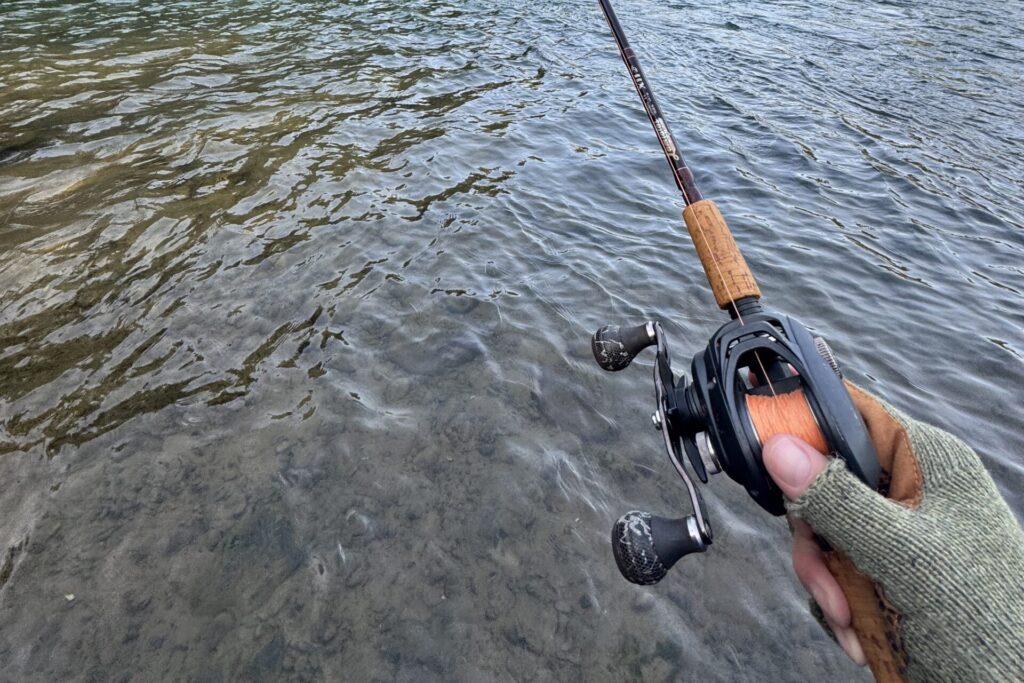
    Fishing for Chinook salmon in a Pacific Northwest river using a rod, reel, and high-visibility braided line

    Quick Picks: Best Braided Line for Chinook Salmon

    • 🏆 Best Overall Braid for Chinook: Addicted Fishing Neon Orange Braid (65 lb)
    • 🎣 Best Braid for Float Fishing & Line Mending: Addicted Fishing Neon Orange Braid
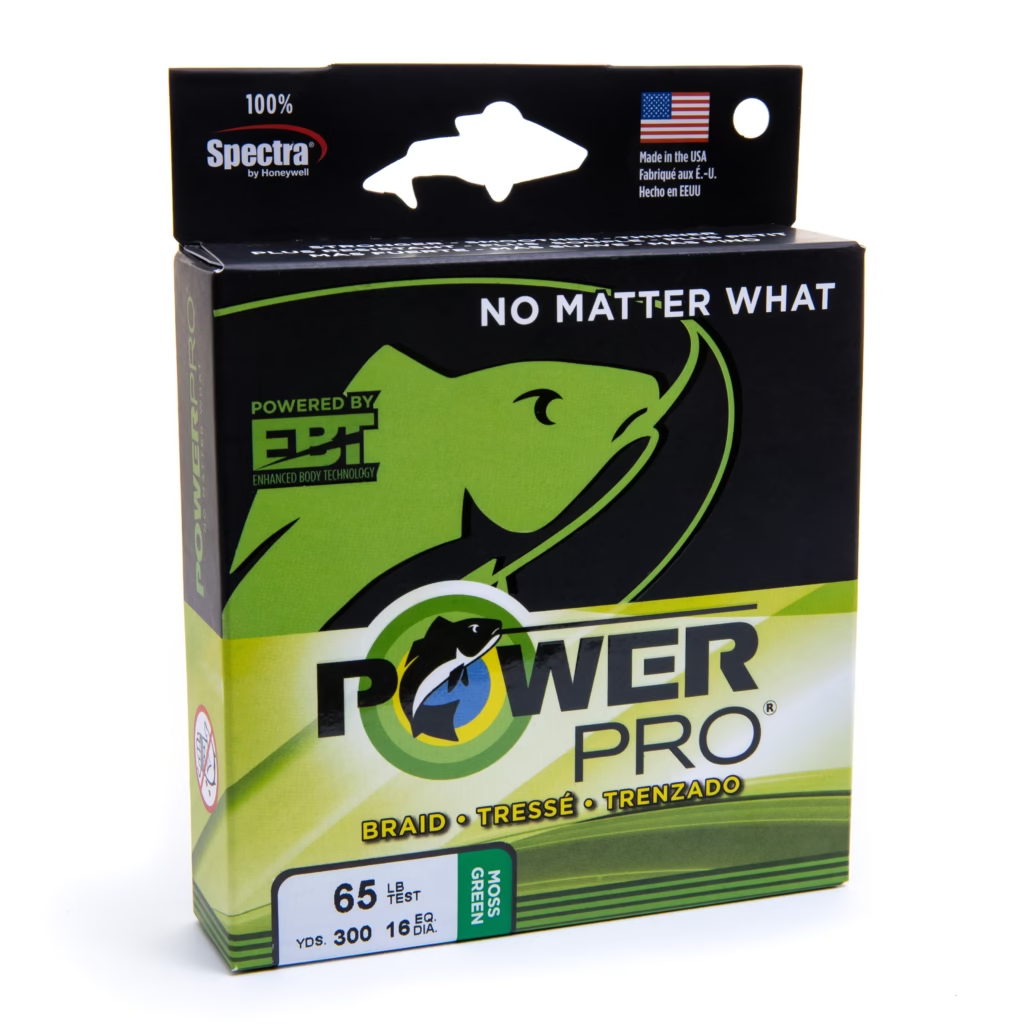
    • 💪 Best All-Purpose Braid: PowerPro Spectra Fiber Braided Line
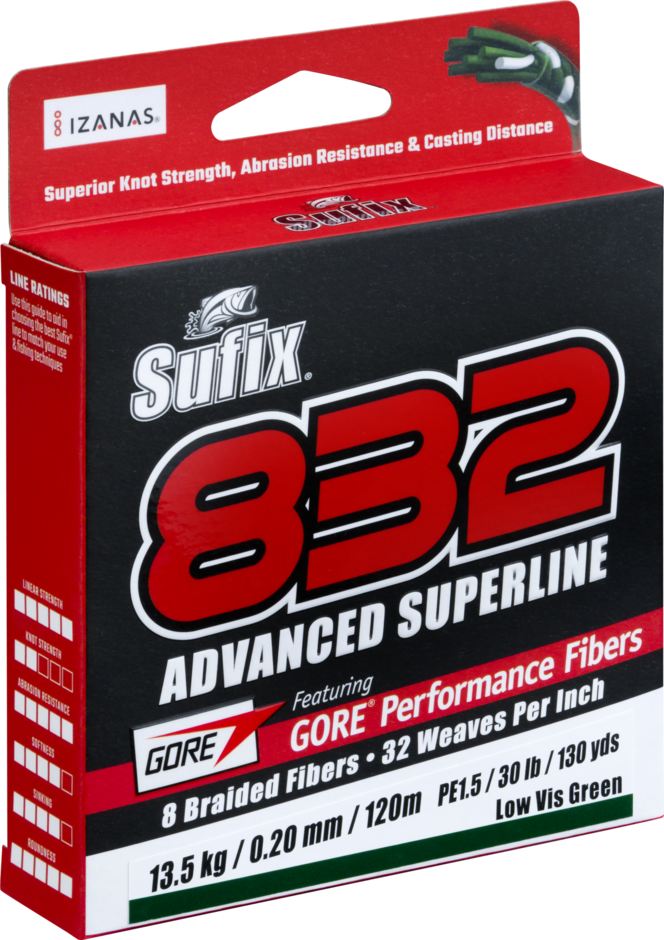
    • 🪨 Best Braid for Abrasion Resistance: Sufix 832 Advanced Superline
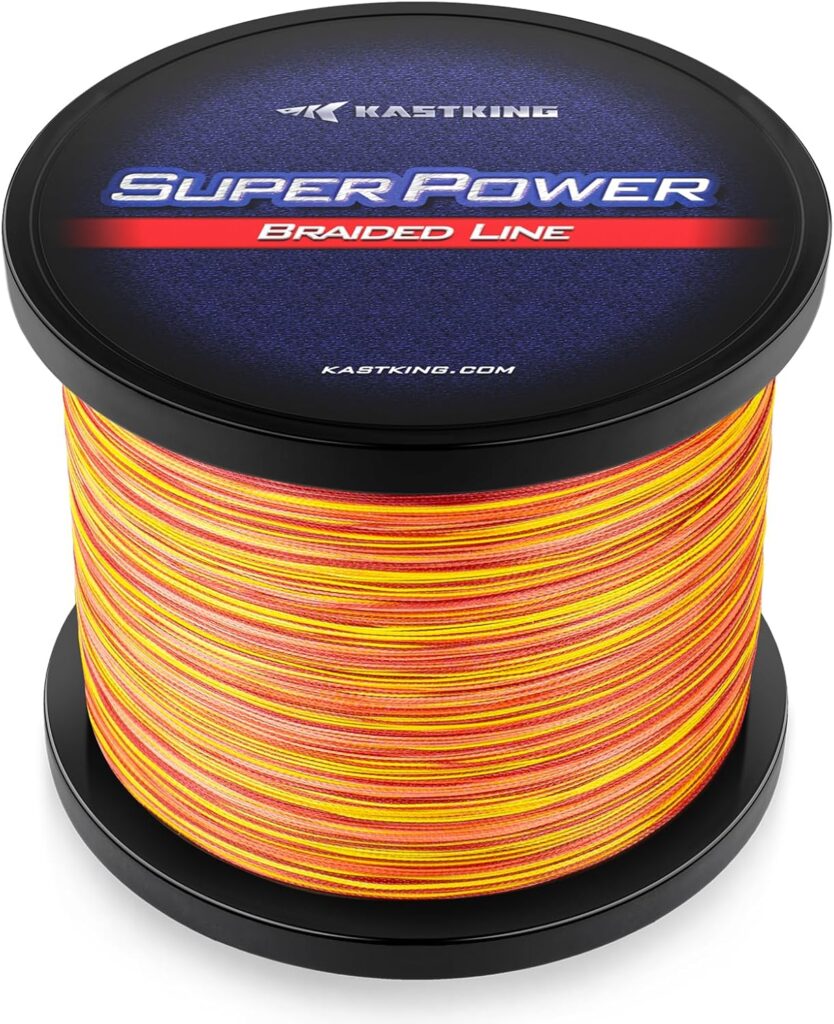
    • 💸 Best Amazon-Available Braid: KastKing SuperPower Braided Fishing Line


    Best Braided Fishing Lines for Chinook Salmon


    Tuf Line ADX Enforcer 8X Hi-Vis Orange (65 lb)

    Best overall braided line for Chinook salmon fishing

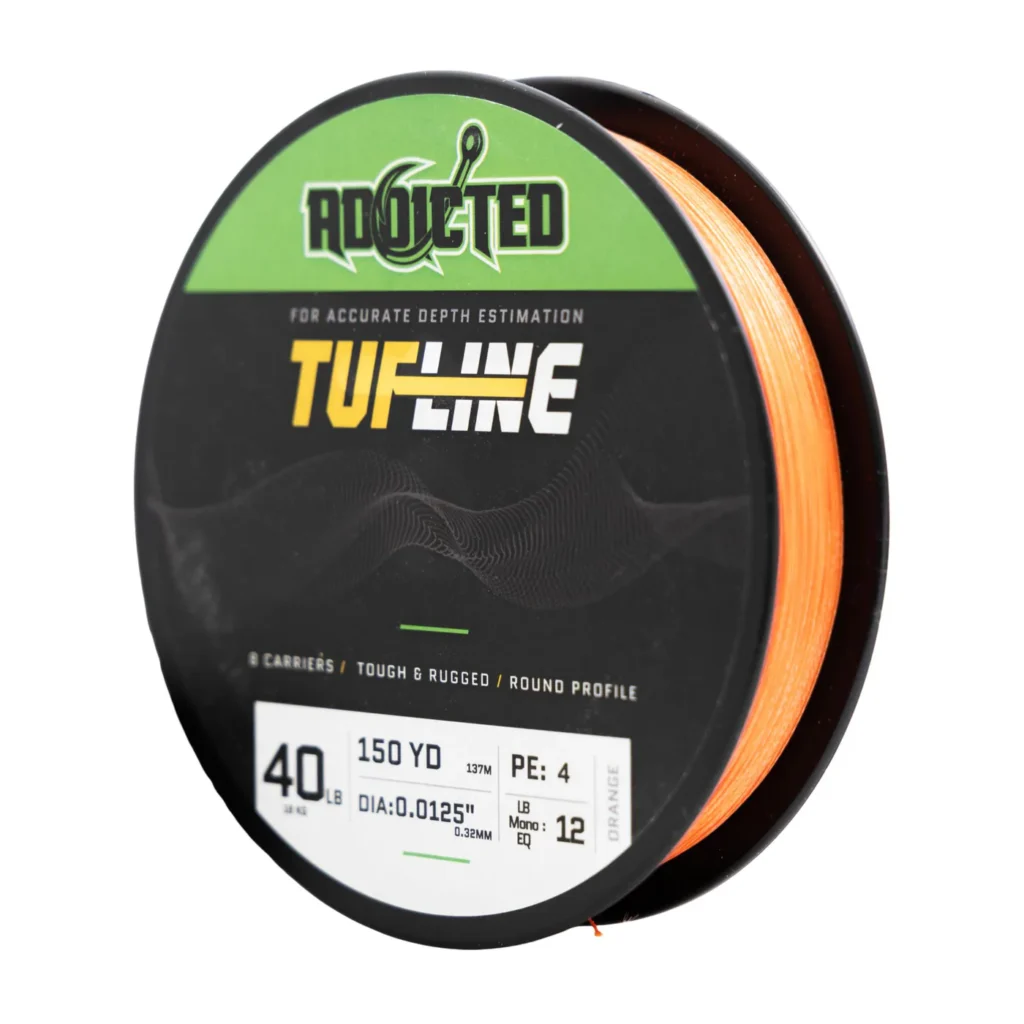
    Tuf Line ADX Enforcer 8X Hi-Vis Orange fishing line spool

    This is a standout option for anglers who prioritize visibility and line control, especially when float fishing. Running 65 lb braid helps the line sit higher on the water, making it easier to mend and manage long drifts in heavy current. The neon orange color is extremely easy to see, even in low light or choppy water.

    Pros

    • ✔ Excellent visibility for line control
    • ✔ Floats high for easier mending
    • ✔ Strong and reliable for big Chinook

    Cons

    • ⚠ Heavier feel than low-diameter braids
    • ⚠ Not a stealth color (leader recommended)

    PowerPro Spectra Fiber Braided Line

    Best all-purpose braid for Chinook salmon

    PowerPro Spectra Fiber braided fishing line spool

    PowerPro is a proven option that balances strength, diameter, and sensitivity. It handles well on both spinning and casting reels and is available in multiple pound tests and colors.

    Pros

    • ✔ Excellent sensitivity
    • ✔ Strong for its diameter
    • ✔ Widely available

    Cons

    • ⚠ Color availability varies by strength
    • ⚠ Not the most abrasion-resistant braid available

    Sufix 832 Advanced Superline

    Best braid for abrasion resistance

    Sufix 832 Advanced Superline braided fishing line spool

    Sufix 832 is built for durability in rocky, snag-filled rivers. Its multi-fiber construction helps it hold up better around structure where Chinook often run.

    Pros

    • ✔ Very abrasion resistant
    • ✔ Strong knot performance
    • ✔ Reliable under heavy load

    Cons

    • ⚠ Slightly stiffer feel
    • ⚠ Higher price point than basic braids

    KastKing SuperPower Braided Fishing Line

    Best Amazon-Available Braid for Chinook Salmon

    KastKing SuperPower Braided Fishing Line

    KastKing’s SuperPower braid is a solid choice when you want reliable performance from Amazon. Available in multiple pound tests (40–65 lb) and colors, this line balances strength, smooth casting, and abrasion resistance for Pacific Northwest river fishing. Whether you’re drifting, plugging, or jigging, it performs well without breaking the bank.

    Pros

    • ✔ Smooth casting and handling
    • ✔ Great value for strength
    • ✔ Available in multiple colors and lb tests

    Cons

    • ⚠ Slightly more stretch than ultra-premium braids
    • ⚠ Not as abrasion-resistant as highest-end options

    Spiderwire Stealth Smooth

    Best smooth-handling budget braid

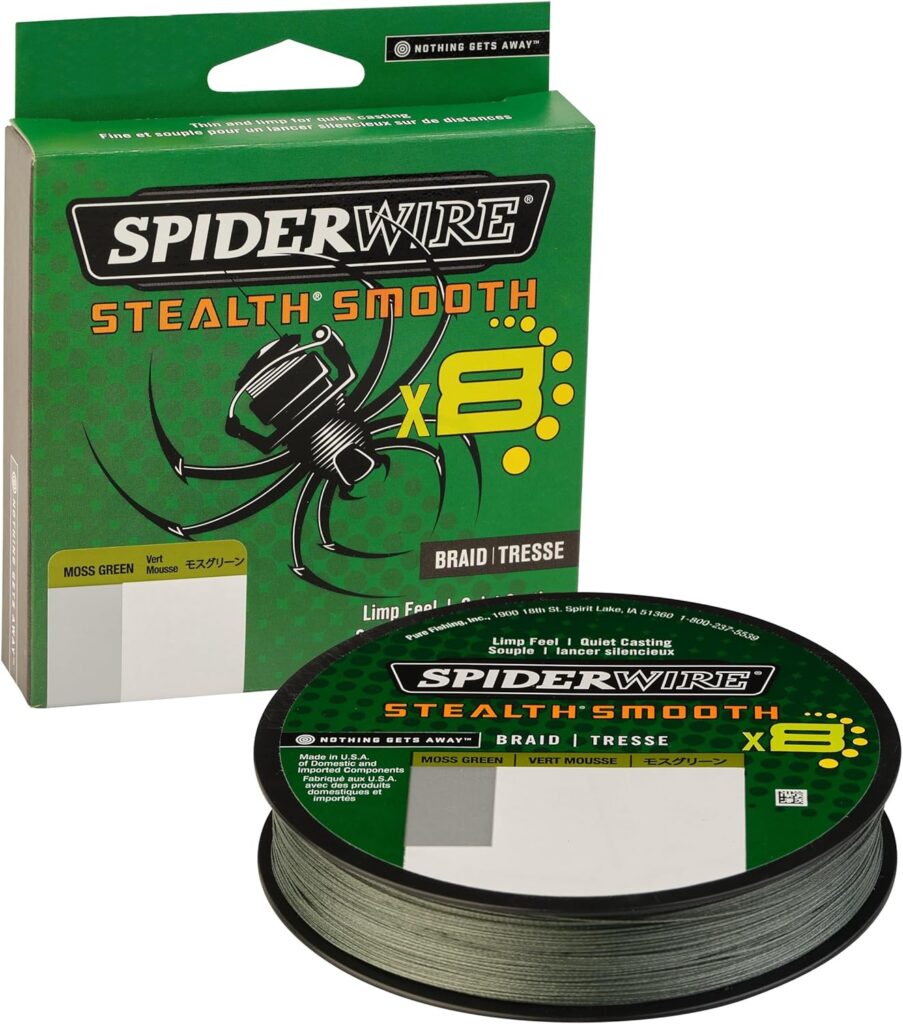
    Spiderwire Stealth Smooth fishing line spool

    Spiderwire Stealth Smooth offers consistent diameter and smooth casting at a reasonable price. It’s a good choice for anglers who want reliable braid without paying premium pricing.

    Pros

    • ✔ Smooth casting
    • ✔ Budget friendly
    • ✔ Consistent strength

    Cons

    • ⚠ Lower abrasion resistance than premium lines
    • ⚠ Limited high-visibility colors


    What to Look for in Braided Line for Chinook Salmon

    Pound Test Matters More Than You Think

    For Chinook salmon, braid in the 40–65 lb range is far more practical than lighter options. Heavy current, structure, and powerful fish demand strength and control.

    Heavier braid:

    • Floats better
    • Mends more easily
    • Reduces break-offs
    • Holds up longer over a full season

    Many float fishermen prefer 65 lb braid specifically because it sits on top of the water and improves line control.


    Diameter vs Strength

    While braid is thin for its strength, ultra-thin braid can:

    • Dig into the spool
    • Be harder to control in fast current

    A slightly thicker braid often performs better for Chinook river fishing.


    Abrasion Resistance

    Rocks, wood, and bridge pilings wear line quickly. Some slick braids cast well but fray faster. Abrasion resistance is critical when fishing Chinook in Pacific Northwest rivers.


    Braid Color: High-Vis vs Stealth

    Braid color affects line management, not fish behavior.

    • High-vis colors help track drifts and mend line
    • Low-vis colors appeal to anglers who prefer subtle setups

    Using a leader matters far more than braid color.


    BrBraid vs Mono vs Fluorocarbon for Chinook

    Braid works best as a mainline for Chinook salmon fishing. Most anglers pair it with:

    • Fluorocarbon leaders for abrasion resistance
    • Monofilament leaders for a bit of added stretch

    This setup offers the best balance of control, strength, and versatility when fishing Pacific Northwest rivers.

    How you connect braided mainline to a leader matters just as much as the line itself. This guide covers the knots I rely on for salmon and steelhead fishing.

    Reel choice also plays a major role in how braided line performs. Spool size, drag strength, and line management all affect casting, mending, and fighting big Chinook. If you’re building a balanced setup, see our guides on best casting reels for Chinook salmon fishing and best spinning reels for Chinook salmon fishing to dial everything in correctly.


    Frequently Asked Questions

    What pound test braid is best for Chinook salmon?

    Most anglers use braided line in the 40–65 lb range for Chinook salmon fishing. Heavier braid floats better, mends easier in current, and holds up better around rocks and structure commonly found in Pacific Northwest rivers.

    Is braided line too visible for salmon?

    No. Braid visibility does not significantly affect Chinook salmon when a proper leader is used. Leader choice and presentation matter far more than braid color.

    Should I use a leader with braided line?

    Yes. Most anglers pair braided mainline with a fluorocarbon or monofilament leader to improve abrasion resistance and presentation while keeping the benefits of braid.

    Does braided line damage rod guides?

    Modern fishing rods are designed to handle braided line without issue. As long as your guides are in good condition, braid will not damage them.

  • Best Spinning Reels for Chinook Salmon Fishing

    Spinning reel setup for salmon fishing on a Pacific Northwest river

    Affiliate Disclosure
    This post may contain affiliate links. If you purchase through these links, I may earn a commission at no additional cost to you.

    A spinning reel for salmon is a popular choice for anglers who value long casts, smooth drag performance, and versatility in Pacific Northwest river conditions. In Pacific Northwest rivers, a spinning reel needs to handle strong current, heavy fish, and repeated pressure without failure.

    Pairing a quality spinning reel with the right rod is critical when targeting Chinook salmon, especially in river systems with heavy current. If you’re still choosing a rod, see our guide to the best rods for spring Chinook river fishing.

    A good salmon spinning reel should offer enough drag power to control long runs, sufficient line capacity for braided mainline setups, and the durability to perform in cold, wet environments. Not all spinning reels are built for this kind of fishing, which is why choosing the right model matters.

    These reels range from value-focused workhorses to refined, premium options, giving anglers solid choices regardless of budget or experience level.

    Quick Picks (Top Recommendations)

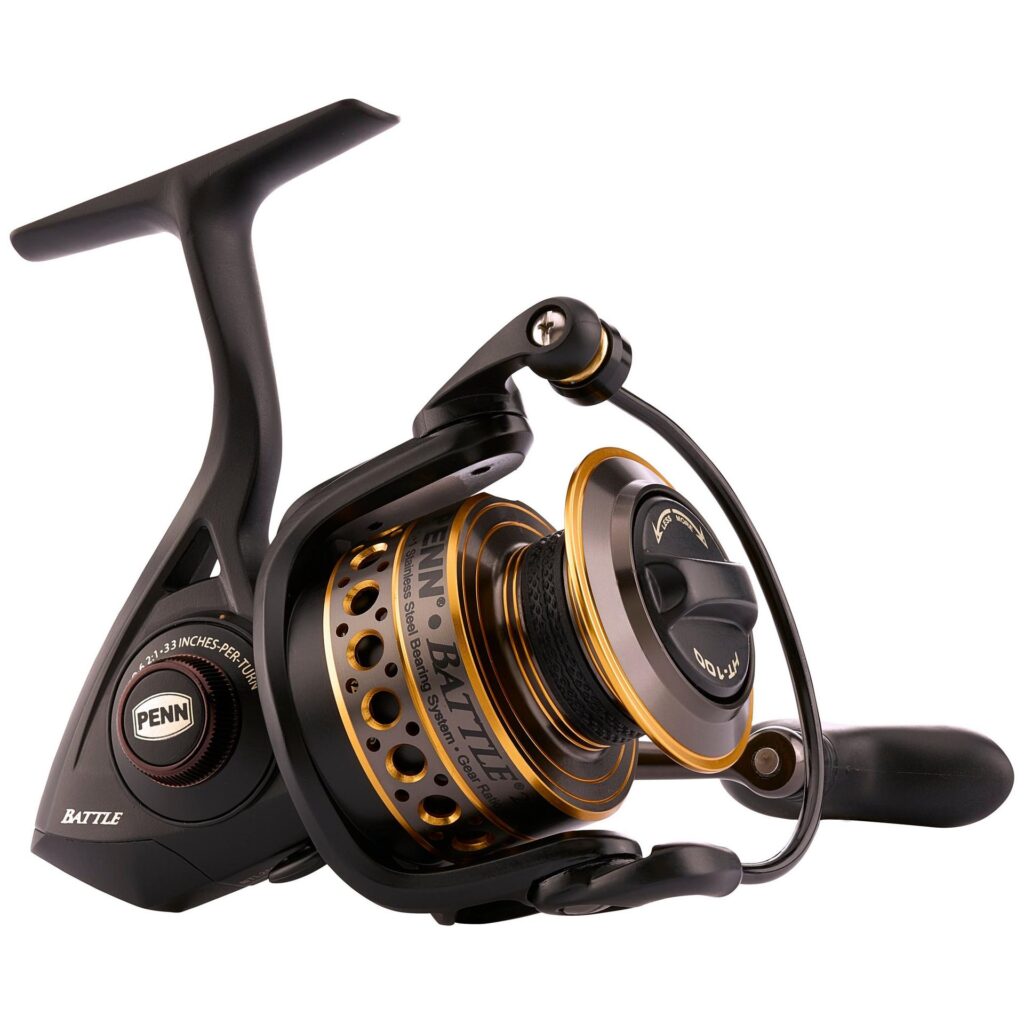
    🎯 Best Overall: Penn Battle IV
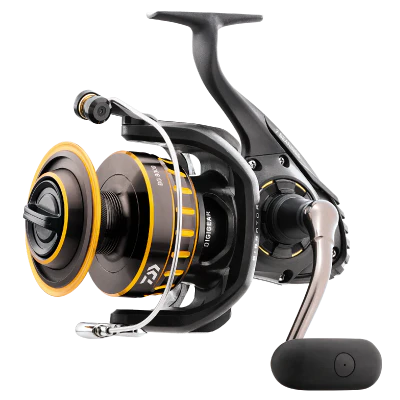
    💰 Best Value: Daiwa BG
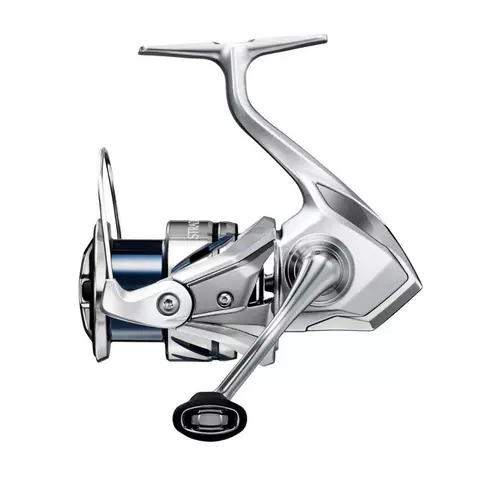
    ⚙️ Best Premium Option: Shimano Stradic FM
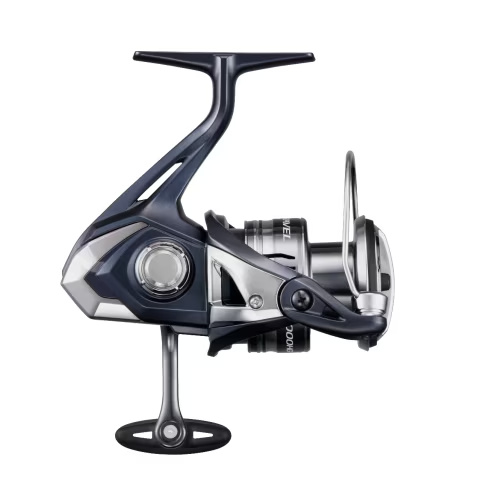
    🎣 Best Mid-Range: Shimano Miravel
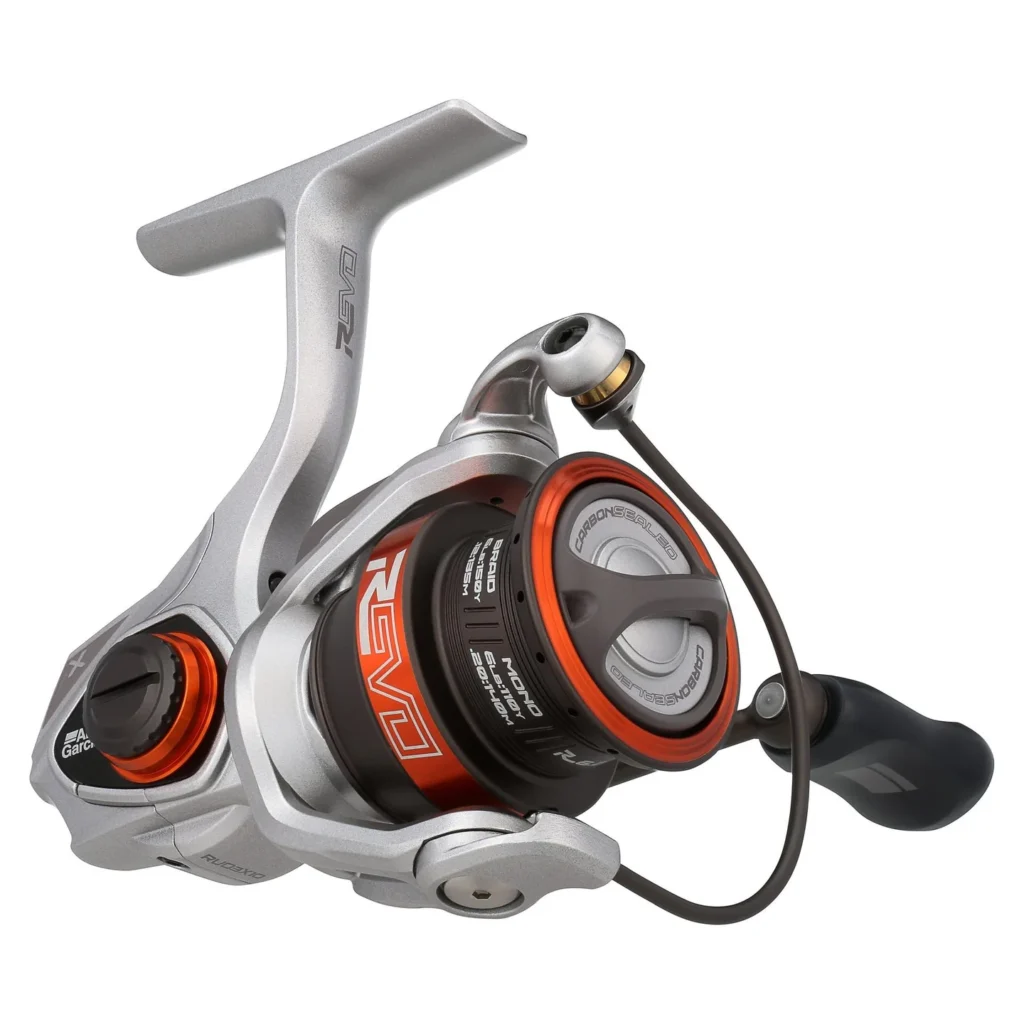
    🧰 Best Smooth Performance: Abu Garcia Revo X

    Best Spinning Reels for Chinook Salmon Fishing

    Penn Battle IV – Best Overall Spinning Reel for Salmon

    Best for: All-around Chinook salmon fishing in Pacific Northwest rivers.

    The Penn Battle IV is a tough, dependable spinning reel that handles big salmon without hesitation. Known for its durability and smooth drag, this reel performs well when fighting powerful Chinook in current and holds up to repeated use in wet, cold conditions.

    It offers plenty of line capacity for braided mainline setups and has the strength needed for both bank and boat fishing. If you want a no-nonsense spinning reel that just works, the Battle IV is hard to beat.

    Why it works

    • Strong, smooth drag for controlling long Chinook runs
    • Durable metal body and internals
    • Excellent line capacity for braid or mono

    Pros

    • Extremely durable
    • Good value for the strength
    • Handles heavy fish well

    Cons

    • Slightly heavier than some competitors

    Daiwa BG – Best Value Spinning Reel for Salmon

    Best for: Anglers wanting maximum strength at a reasonable price.

    The Daiwa BG has earned a reputation as one of the toughest spinning reels in its class. Built with oversized gears and a solid aluminum body, it delivers excellent cranking power and reliability when targeting large salmon.

    This reel is especially popular with anglers who want something rugged without paying premium prices. It’s a great match for medium-heavy salmon rods and performs well with heavier braided lines.

    Why it works

    • Oversized gearing provides strong retrieve power
    • Smooth, reliable drag system
    • Proven durability in harsh conditions

    Pros

    • Excellent strength for the price
    • Great line capacity
    • Widely trusted by salmon anglers

    Cons

    • Heavier than newer lightweight reels

    Shimano Stradic FM – Best Premium Spinning Reel

    Best for: Anglers who want top-tier smoothness and performance.

    The Shimano Stradic FM is a refined, high-performance spinning reel that excels in smoothness and balance. Its drag system performs consistently under pressure, making it ideal for fighting hard-running Chinook salmon.

    This reel feels lighter and more responsive than many others in its size class, which helps reduce fatigue during long days on the river.

    Why it works

    • Exceptionally smooth drag under load
    • Lightweight yet strong construction
    • Excellent casting performance

    Pros

    • Very smooth and refined feel
    • Great balance on salmon rods
    • Long-term durability

    Cons

    • Higher price than budget reels

    Shimano Miravel – Best Mid-Range Spinning Reel

    Best for: Salmon anglers wanting Shimano quality without the premium price.

    The Shimano Miravel delivers impressive performance at a more accessible price point. It offers smooth operation, reliable drag performance, and a lightweight design that pairs well with modern salmon rods.

    This reel is well-suited for Chinook fishing when sized appropriately and is a strong choice for anglers who want dependable performance without overspending.

    Why it works

    • Smooth retrieve and drag system
    • Lightweight body reduces fatigue
    • Trusted Shimano build quality

    Pros

    • Great price-to-performance ratio
    • Easy to cast and control
    • Reliable for regular use

    Cons

    • Not as rugged as heavier-built reels

    Abu Garcia Revo X – Best Smooth-Cranking Option

    Best for: Anglers who value smooth operation and comfort.

    The Abu Garcia Revo X is a well-balanced spinning reel that offers smooth cranking and consistent drag performance. It handles heavier lines well and provides enough strength for Chinook salmon in river systems.

    Its ergonomic design makes it comfortable to fish all day, and it’s a solid choice for anglers who want a modern-feeling reel that still delivers the power needed for salmon fishing.

    Why it works

    • Smooth drag and retrieve
    • Handles braid cleanly
    • Comfortable, balanced feel

    Pros

    • Smooth operation
    • Good overall performance
    • Versatile across techniques

    Cons

    • Not as heavy-duty as some alternatives

    How to Choose a Spinning Reel for Chinook Salmon

    Drag Strength

    Chinook salmon are powerful fish that make long, sustained runs, especially in Pacific Northwest river systems with heavy current. A spinning reel for salmon should have a smooth, consistent drag that can apply steady pressure without sticking or surging. This is critical for controlling big fish while protecting braided mainline and lighter leaders.


    Line Capacity

    Line capacity is an important consideration when choosing a spinning reel for Chinook salmon. Most anglers use braided mainline with a mono or fluorocarbon leader, so the reel needs to hold enough braid to comfortably handle long runs. A reel that is too small can feel overmatched, while larger spools provide better line management and confidence during fights.


    Gear Ratio

    Gear ratio affects how quickly line is retrieved and how much power the reel delivers under load. Moderate gear ratios tend to work best for Chinook salmon fishing, offering a balance between retrieve speed and cranking power. Extremely high-speed spinning reels are generally unnecessary and can feel less controlled when fighting heavy fish in strong current.


    Durability in Cold and Wet Conditions

    Salmon fishing often means fishing in rain, cold temperatures, and consistently wet environments. A quality spinning reel should be built with durable internals and corrosion-resistant components that maintain smooth performance even after repeated exposure to moisture. Reels that feel solid and well-sealed tend to hold up much better over time.


    Reel Size Selection

    Choosing the correct reel size is critical for Chinook salmon fishing. In most river situations, 3000 to 4000 size spinning reels provide the right balance of drag strength, line capacity, and overall control. Smaller reels may work for lighter applications, but larger sizes are better suited for consistently handling big salmon.


    Front Drag vs Rear Drag

    Most modern spinning reels designed for salmon fishing use a front drag system, which offers better drag performance and durability than rear drag designs. Front drag reels are simpler, stronger, and easier to fine-tune during a fight, making them the preferred choice for targeting Chinook salmon.


    What size spinning reel is best for Chinook salmon?

    For Chinook salmon, most anglers should use a 3000 or 4000 size spinning reel, depending on the brand. These sizes provide enough drag strength and line capacity to handle large salmon while still balancing well on medium-heavy river rods.

    Can spinning reels handle big Chinook salmon?

    Yes. A quality spinning reel with a smooth, reliable drag can handle large Chinook salmon effectively. The key is choosing a reel built with strong internal gearing and pairing it with appropriate line and a salmon-rated rod.

    What line should I use on a spinning reel for salmon fishing?

    Most anglers use 20–30 lb braided line for Chinook salmon fishing, often paired with a mono or fluorocarbon leader. Braid provides better line capacity, sensitivity, and control when fishing strong river current.

    Are spinning reels better than baitcasting reels for salmon?

    Spinning reels are often preferred for longer casts, lighter presentations, and ease of use, especially when fishing from the bank. Baitcasting reels offer more cranking power and are popular for heavier techniques. Both styles can be effective, and we break down the differences in our guide to the best casting reels for Chinook salmon fishing.

    Is a sealed drag important for salmon fishing?

    A sealed or well-protected drag system is beneficial for salmon fishing, especially in wet, cold Pacific Northwest conditions. It helps maintain consistent drag performance and improves long-term reliability.

    Can I use the same spinning reel for salmon and steelhead?

    Yes. Many of the spinning reels suitable for Chinook salmon also work well for steelhead and coho salmon, as long as the reel is properly sized and matched with appropriate line and rod power.

  • Best Casting Reels for Chinook Salmon Fishing (Buyers Guide)

    Chinook salmon caught while river fishing in the Pacific Northwest

    Affiliate Disclosure
    This post may contain affiliate links. If you purchase through these links, I may earn a commission at no additional cost to you.

    If you fish Pacific Northwest rivers, you already know Chinook salmon are hard on gear. Heavy current, powerful fish, and long days of casting mean your reel needs to be smooth, durable, and capable of handling real pressure without failing when it matters most.

    This buyer’s guide covers the best casting reels for Chinook salmon, based on real-world river fishing experience and the demands these fish place on your setup. While the primary focus here is Chinook, the reels covered in this guide are also excellent options for Coho and Chum salmon, which require similar drag strength, line capacity, and overall durability.

    Choosing the right reel is only part of the equation — pairing it with the proper rod plays a major role in casting control, hook-setting power, and fighting fish efficiently. If you’re fishing twitching jigs, see my guide to the best rod for twitching jigs for Chinook salmon. For a broader look at rod options across multiple techniques, check out the best rod for spring Chinook river fishing.

    Below you’ll find quick recommendations, followed by a deeper breakdown of what to look for in a casting reel so you can choose the best option for your style of salmon fishing.

    Quick Picks (Top Recommendations)

    Best Overall Casting Reel for Chinook:
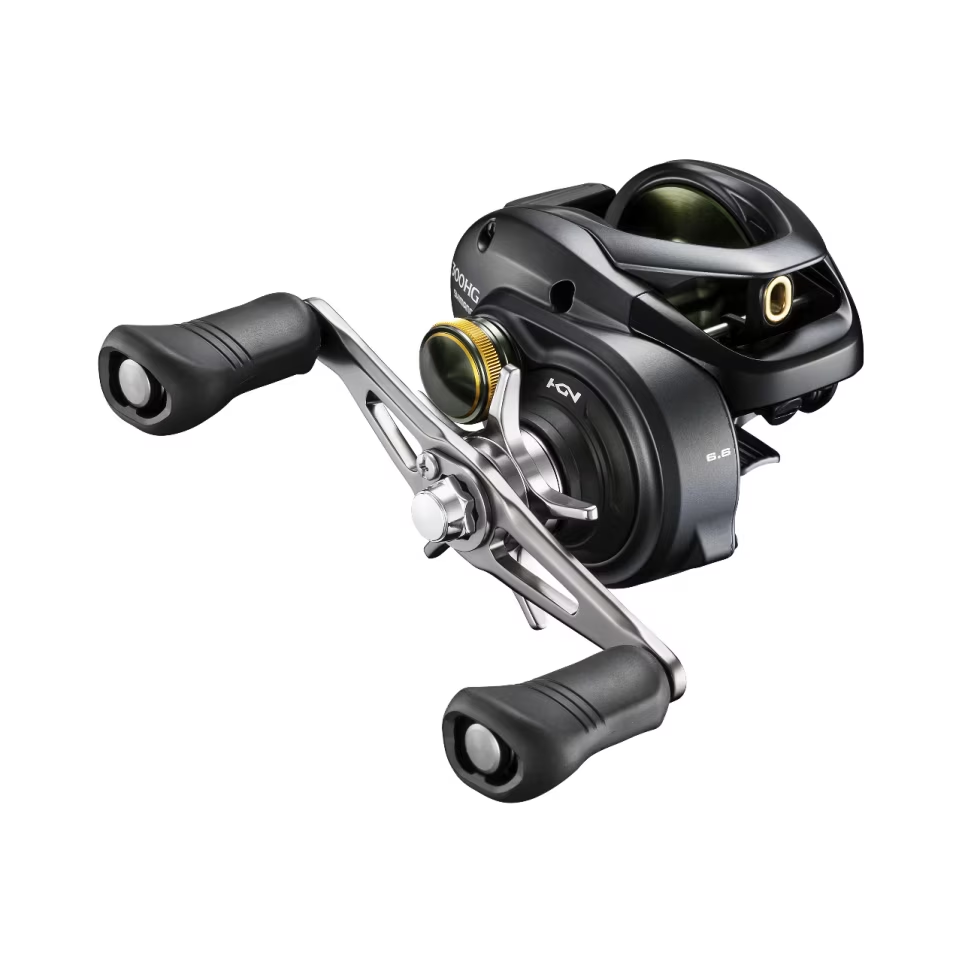
    Shimano Curado 300K

    🔄 Best Versatile Casting Reel for Chinook:
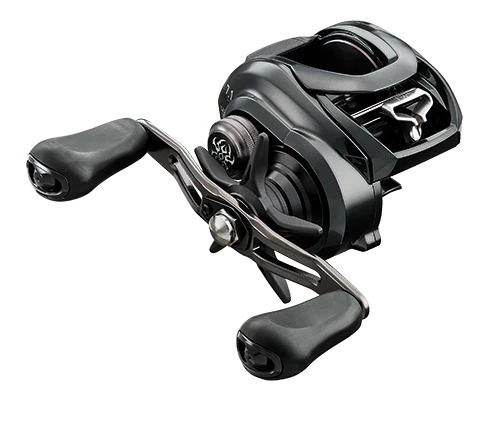
    Daiwa Tatula 300

    💪 Best Casting Reel for Heavy Current and Big Fish:
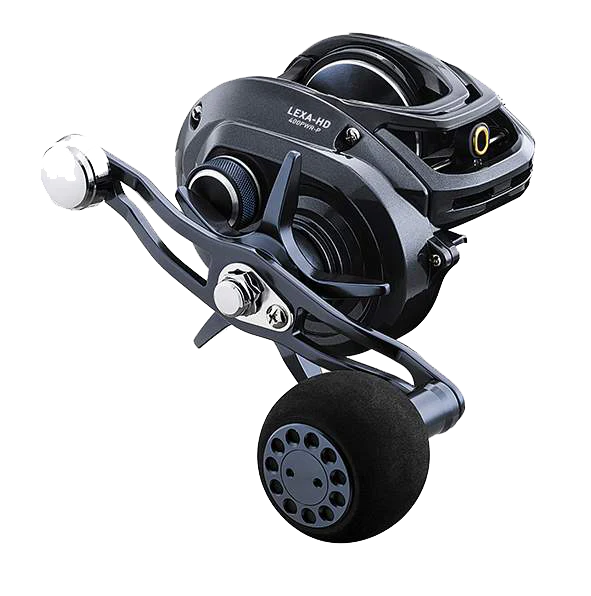
    Daiwa Lexa 300H

    🎣 Best Round Baitcaster for Chinook:
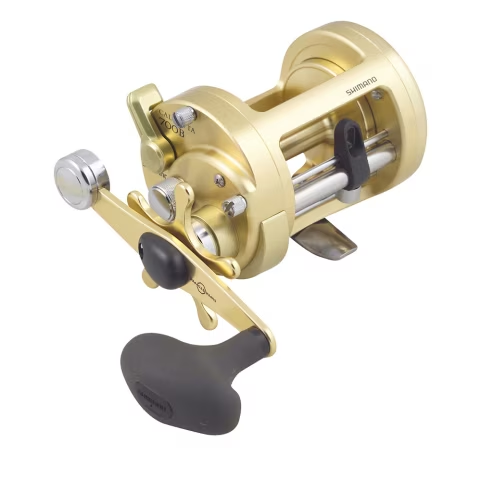
    Shimano Calcutta 400

    🛡️ Best Durable Value Option:
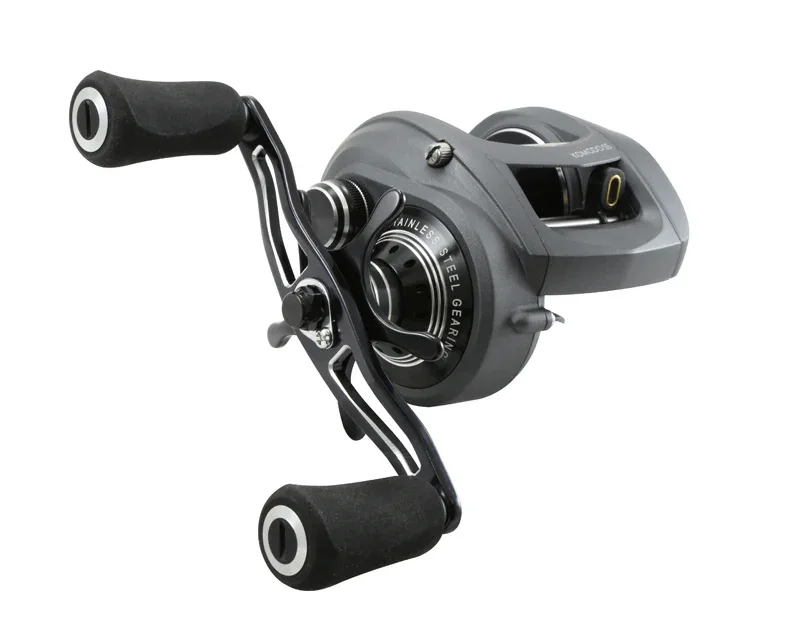
    Okuma Komodo SS

    Casting Reel Reviews For Chinook Salmon

    Shimano Curado 300K — Best Overall

    Best for: All-around Chinook salmon fishing in Pacific Northwest rivers.

    The Shimano Curado 300K is one of the most trusted casting reels for Chinook salmon fishing thanks to its balance of power, smooth drag performance, and long-term reliability. It offers enough line capacity for braided mainline setups and holds up well under repeated pressure from larger fish in current.

    Why it works

    • Strong, smooth drag for controlling Chinook runs
    • Excellent balance on medium to heavy salmon rods
    • Proven reliability in cold and wet conditions

    Pros

    • Durable and well-built
    • Handles braid cleanly
    • Versatile across many salmon techniques

    Cons

    • Higher price than entry-level reels

    Daiwa Lexa 300H — Best for Heavy Current

    Best for: Heavy current and larger Chinook where extra power matters.

    The Daiwa Lexa 300H is built for anglers who regularly fish bigger water or target Chinook that demand serious stopping power. Its strong gearing and high drag capacity make it well suited for managing long runs and maintaining pressure in fast-moving rivers.

    Why it works

    • Powerful drag system for big fish
    • High gear ratio for quick line pickup
    • Large line capacity for braid-heavy setups

    Pros

    • Excellent power and control
    • Performs well in heavy water
    • Solid construction

    Cons

    • Slightly heavier than other low-profile reels

    Shimano Calcutta 400 — Best Round Baitcaster

    Best for: Traditional salmon fishing setups and anglers who prefer round reels.

    The Shimano Calcutta 400 is a classic round baitcasting reel known for its durability and smooth operation. Many salmon anglers favor round reels like the Calcutta for their line capacity, simplicity, and long-term dependability.

    Why it works

    • Strong, smooth drag system
    • High line capacity for salmon fishing
    • Time-tested design

    Pros

    • Extremely durable
    • Smooth under load
    • Great for traditional techniques

    Cons

    • Heavier and bulkier than low-profile reels
    • This reel is a classic choice among salmon anglers, though availability online is limited. If you can find it through specialty retailers, it’s a solid option. Otherwise consider similar Calcutta models like the Calcutta 401.

    Okuma Komodo SS — Best Durable Value Option

    Best for: Anglers who want durability and strength without premium pricing.

    The Okuma Komodo SS features a stainless steel frame that makes it exceptionally tough for its price range. It’s built to handle repeated use and harsh conditions while still offering smooth performance and dependable drag strength.

    Why it works

    • Stainless steel construction adds durability
    • Strong drag for salmon fishing
    • Good balance of performance and value

    Pros

    • Very durable
    • Good drag strength
    • Solid value for the price

    Cons

    • Heavier than many comparable reels

    Daiwa Tatula 300 — Best Versatile Option

    Best for: Anglers who want one reel for multiple Chinook techniques.

    The Daiwa Tatula 300 offers a great balance of casting performance, comfort, and power. It handles braided line well and provides enough drag strength for most Chinook salmon fishing situations, making it a versatile choice for a wide range of setups.

    Why it works

    • Smooth and consistent casting
    • Comfortable to fish all day
    • Handles multiple salmon techniques well

    Pros

    • Easy to cast
    • Good overall balance
    • Versatile performance

    Cons

    • Not as specialized for extreme heavy-water fishing

    How to Choose a Casting Reel for Chinook Salmon

    Drag Strength

    Chinook salmon are powerful fish, especially in fast-moving river systems. A casting reel with a strong, smooth drag is critical for controlling runs without sudden surges or drag chatter. You want a reel that can apply consistent pressure while still protecting your line and leader during long fights.

    Line Capacity

    Adequate line capacity is important when targeting Chinook, particularly in bigger rivers or when fishing heavier current. Most anglers run braided mainline with a mono or fluorocarbon leader, so the reel should comfortably hold enough braid to handle long runs without feeling overfilled or restricted.

    Gear Ratio

    Gear ratio plays a role in how quickly you can retrieve line and control your presentation. Moderate gear ratios tend to work best for Chinook salmon fishing, offering a balance between power and retrieve speed. Extremely high gear ratios are usually unnecessary unless you’re fishing specific techniques that require fast line pickup.

    Durability in Cold and Wet Conditions

    Salmon fishing often means cold mornings, rain, and wet hands. A good casting reel for Chinook should feel solid, resist corrosion, and maintain smooth performance even after repeated exposure to moisture. Cheap internal components tend to show problems quickly in these conditions.

    Braking System Basics

    Modern casting reels use either centrifugal brakes, magnetic brakes, or a combination of both. A braking system that is easy to adjust and forgiving helps reduce backlashes, especially when casting heavier lures or dealing with changing conditions along the river.

    Left vs Right Hand Retrieve

    Choosing between left-hand and right-hand retrieve is largely personal preference. Many anglers prefer left-hand retrieve so they don’t have to switch hands after casting, while others stick with what they’ve always used. Either option works as long as the reel feels comfortable and natural during repeated casts.

    Casting Reels vs Spinning Reels for Chinook Salmon

    Casting reels are popular for Chinook salmon fishing because they offer excellent control, strong drag systems, and better handling of heavier lures and techniques. Many anglers prefer casting reels when fishing plugs, twitching jigs, or working heavier water where power and control matter most.

    Spinning reels, on the other hand, can be a better choice for lighter setups, longer casts, or anglers who prefer a simpler, more forgiving reel. Both reel types are effective for Chinook salmon, and the best option often comes down to fishing style, experience level, and personal comfort.

    If you prefer spinning setups or want to compare both options, check out my full guide to the best spinning reels for Chinook salmon fishing.

    Frequently Asked Questions

    Are casting reels better than spinning reels for Chinook salmon?

    Casting reels are often preferred for Chinook salmon because they offer more power and control, especially in heavier current. However, spinning reels can also be effective depending on technique and angler preference.

    What size casting reel is best for salmon fishing?

    Most anglers targeting Chinook salmon use medium to medium-large casting reels that provide enough drag strength and line capacity for braided line setups in river fishing.

    Can I use the same reel for Chinook, Coho, and Chum salmon?

    Yes. Many casting reels suitable for Chinook salmon are also well suited for Coho and Chum, as these species place similar demands on reel strength and durability.

    Final Recommendation

    There is no single “best” casting reel for everyone, but choosing a reel with a strong drag, solid construction, and the right features for your fishing style will make a noticeable difference on the water. The reels covered in this guide are proven options that hold up well for Chinook salmon fishing while remaining versatile enough for Coho and Chum as well.

  • Best Rod for Twitching Jigs for Chinook Salmon (Buyer’s Guide)

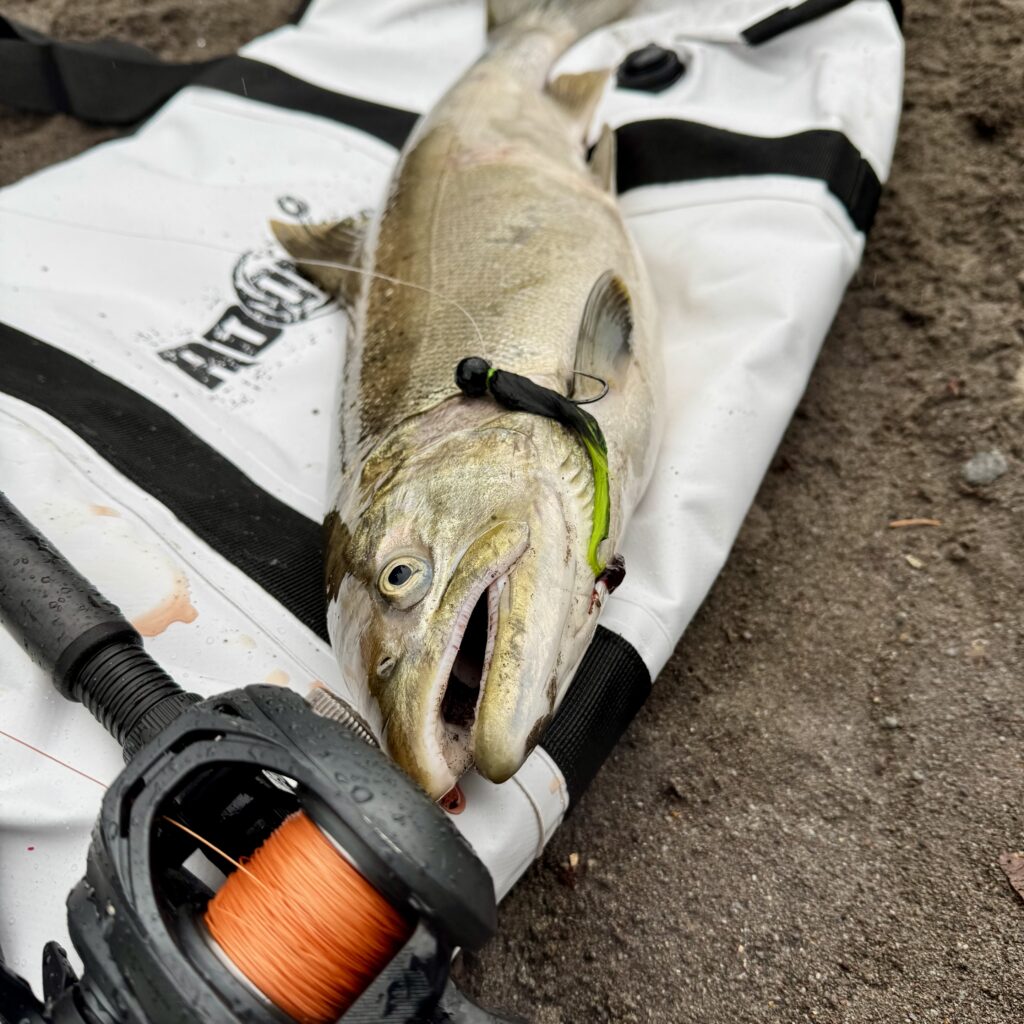
    Chinook salmon caught on a green and black jig while river fishing in the Pacific Northwest

    Affiliate Disclosure
    This post may contain affiliate links. If you purchase through these links, I may earn a commission at no additional cost to you.

    Twitching jigs for Chinook salmon is one of the most effective techniques in moving water. It demands a rod that can deliver subtle jig movement, absorb hard strikes, and control powerful salmon in current. Not every salmon rod works well for jigs — the right combination of action, length, and power can make the difference between hooking fish and missing them.

    From cramped gravel bars to wide tidal runs, I’ve found that the sensitivity and balance of a twitching jig rod can make or break a day of Chinook salmon fishing. The right rod helps you feel the lightest take and steer fish without tiring yourself out.

    Choosing the right rod is only part of the equation — pairing it with a quality casting reel and the right leader line for Chinook salmon helps control abrasion, sink rate, and hooksets when twitching jigs.

    This guide breaks down what to look for and highlights some of the best rods for twitching jigs on Chinook salmon waters.

    For a broader breakdown of rods across all Chinook salmon techniques, see our guide on the best rod for spring Chinook river fishing.

    Quick Picks (Top Recommendations)

    Best Premium Twitching Jig Rod:
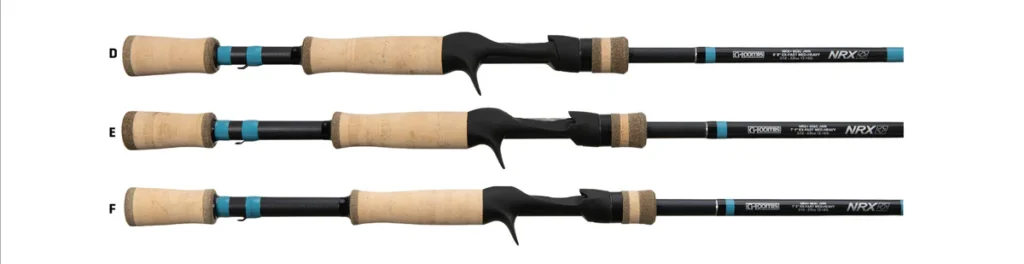
    G. Loomis NRX+ Jig & Worm Casting Rod

    🎯 Best Balanced Casting Rod:
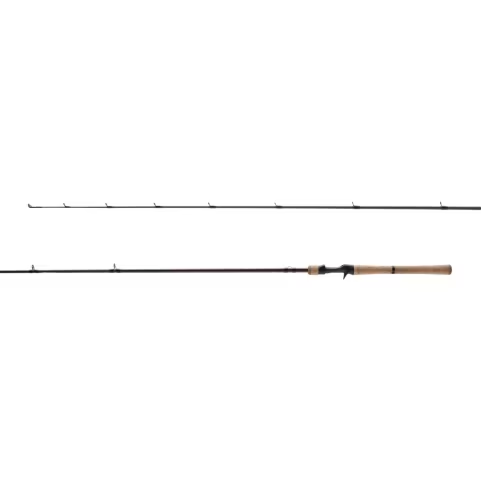
    Shimano Clarus Casting Rod (9’0” Medium-Heavy)

    🔄 Best All-Around Spinning Rod:
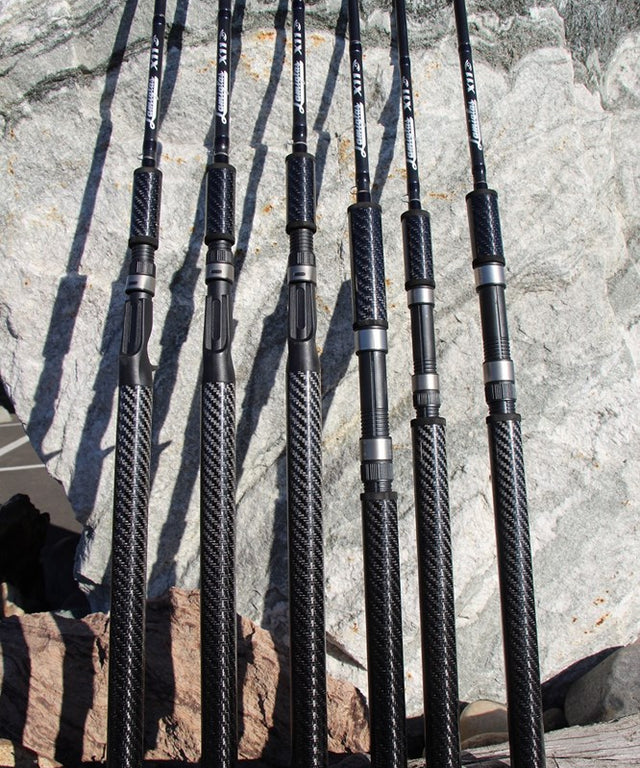
    Lamiglas X-11 Salmon & Steelhead Spinning Rod

    💪 Best Heavy-Duty Spinning Option:
    Okuma Cedros Spinning Rod

    💸 Best Budget Twitching Jig Rod:
    Ugly Stik Elite Salmon & Steelhead Spinning Rod

    Best Rods for Twitching Jigs for Chinook Salmon

    G. Loomis NRX+ Jig & Worm Casting Rod — Best Premium Twitching Jig Rod

    Length: 7’6”
    Power: Heavy
    Action: Fast

    Best for: Anglers who want high-end sensitivity and power for twitching jigs — premium build and responsive performance.

    The G. Loomis NRX+ Jig & Worm Casting Rod brings the same high-performance blank technology that serious anglers expect from NRX+, tailored here for precise jig control. While G. Loomis offers various casting rod lengths, the NRX+ series available through Cabela’s/Bass Pro consistently delivers the sensitive tip and strong mid-section required for effective jig presentation and hooking big Chinook salmon.

    This rod’s fast action and premium graphite construction provide great feel and responsiveness, making it a solid choice for anglers who want a top-tier twitching rod.

    Why it works

    • Crisp, sensitive fast action for jig work
    • Premium blank technology (NRX+)
    • Strong backbone for confident hooksets

    Pros

    • Excellent balance of sensitivity and strength
    • Premium performance across salmon techniques
    • Works well in current

    Cons

    • Higher price than entry/mid-level rods

    Shimano Clarus Casting Rod — Best Balanced Casting Rod

    Length: 7’0”
    Power: Medium-Heavy
    Action: Moderate-Fast

    Best for: Anglers who want a casting rod dedicated to twitching jigs without premium pricing.

    The Shimano Clarus casting rod offers a well-balanced blend of sensitivity, power, and durability. Its moderate-fast action gives enough tip flex to work jigs effectively while still delivering solid hooksets on aggressive Chinook strikes.

    This rod pairs well with low-profile or round casting reels and handles braided mainline setups comfortably.

    Why it works

    • Moderate-fast action balances control and power
    • Good backbone for Chinook-sized fish
    • Reliable performance at a reasonable price

    Pros

    • Great value for a casting rod
    • Comfortable for all-day fishing
    • Versatile across salmon techniques

    Cons

    • Not as sensitive as high-end rods

    Lamiglas X-11 Salmon & Steelhead Spinning Rod — Best Mid-Range Spinning Rod

    Length: 9’0”
    Power: Medium-Heavy
    Action: Fast

    Best for: Anglers who want a responsive spinning rod that performs well for twitching jigs and other river techniques.

    The Lamiglas X-11 is a popular choice among Pacific Northwest salmon anglers thanks to its crisp fast action and solid backbone. It provides good sensitivity for jig work while maintaining enough power to control Chinook in current. This

    This rod transitions well between twitching jigs, drifting, and spinner fishing, making it a versatile option for spring Chinook waters.

    Personal note: This rod has personally put countless salmon and steelhead on the bank for me over the years. It’s a setup I keep coming back to because it’s proven itself time and time again in real river conditions and has earned its place in my rotation by consistently delivering when it matters.

    Why it works

    • Fast tip improves jig feel and strike detection
    • Strong mid-section for hooksets
    • Smooth power curve during fights

    Pros

    • Good balance of sensitivity and strength
    • Proven salmon rod platform
    • Widely available

    Cons

    • Less refined than premium models

    Daiwa North Coast SS Spinning Rod — Best Heavy-Duty Spinning Option

    Length: 9’
    Power: Medium-Heavy
    Action: Fast

    Best for: Anglers who want a spinning rod with backbone and sensitivity to handle twitching jigs in strong current and larger Chinook.

    The Daiwa North Coast SS Spinning Rod is a rugged and responsive choice for salmon anglers who spend long days twitching jigs in moving water. Its fast action tip aids in feeling subtle bites, while the medium-heavy blank delivers the strength needed to set hooks and control larger fish efficiently. Designed with components that stand up to braided lines and river conditions, this rod is a solid choice for dedicated jig anglers.

    Why it works

    • Fast action for subtle jig feel
    • Strong mid-section for hooksets
    • Built to handle braid + leader setups

    Pros

    • Excellent balance of sensitivity and power
    • Durable design for salmon fishing
    • Comfortable length and action for repeated jig work

    Cons

    • Not as specialized as high-end premium rods

    Ugly Stik Elite Salmon & Steelhead Spinning Rod — Best Budget Option

    Length: 9’0”
    Power: Medium-Heavy
    Action: Moderate-Fast

    Best for: Budget-conscious anglers who want a durable rod for twitching jigs and general salmon fishing.

    The Ugly Stik Elite Salmon & Steelhead rod is a reliable budget option that still performs well for twitching jigs. While it lacks the sensitivity of higher-end rods, its moderate-fast action and strong backbone make it capable of handling Chinook salmon in river conditions.

    This rod is a good choice for anglers new to jig fishing or those looking for a dependable backup rod.

    Why it works

    • Tough construction
    • Adequate power for Chinook
    • Affordable and widely available

    Pros

    • Excellent durability
    • Good value for the price
    • Beginner-friendly

    Cons

    • Less sensitivity compared to graphite-heavy rods

    Technique Tips for Twitching Jigs

    • Keep your line tight and rod tip high to detect light takes
    • Use short, sharp twitches followed by pauses
    • Focus on seams and edges where Chinook hold
    • Give your jig time to sink into the strike zone

    Frequently Asked Questions

    What is the best rod length for twitching jigs for Chinook salmon?

    Rods in the 8’6” to 9’6” range work best for twitching jigs for Chinook salmon. This length provides enough reach and line control in moving water while still allowing precise rod-tip movement for jig presentation.

    Is a fast or moderate-fast rod better for twitching jigs?

    Fast or moderate-fast actions are ideal for twitching jigs. A fast tip helps animate the jig and detect subtle bites, while enough backbone is needed to set hooks and control larger Chinook in current.

    Should I use a spinning or casting rod for twitching jigs?

    Both spinning and casting rods can work for twitching jigs, but spinning rods are more common due to easier line management and sensitivity. Casting rods are often preferred by experienced anglers who want more control and power in heavier water.

    What power rod is best for Chinook salmon jig fishing?

    A medium-heavy power rod is the most versatile choice for twitching jigs for Chinook salmon. It provides enough backbone for solid hooksets and fighting strong fish while still offering good sensitivity for jig presentation.

    Can I use a twitching jig rod for other salmon techniques?

    Yes. Many twitching jig rods, especially those around 9’ with medium-heavy power, can also be used for drifting, spinner fishing, and other common Chinook salmon techniques, making them a versatile choice.

    Final Recommendation

    For most Chinook anglers focused on twitching jigs, an 8’6”–9’ medium-heavy rod with fast action provides the best mix of control, sensitivity, and power. Anglers looking for versatility should consider a 9’ moderate-fast rod, while budget-conscious anglers can still find solid performance in spinning rods designed for jig work.

  • Best Spring Chinook Rods for River Fishing (Buyer’s Guide)

    Anglers fishing for Chinook salmon on a foggy Oregon coast river

    Disclosure: This post may contain affiliate links. If you purchase through links on this page, we may earn a small commission at no extra cost to you.

    Spring Chinook rods play a major role in how effective and enjoyable your time on Pacific Northwest rivers will be. Heavy current, powerful fish, and long days on the water demand rods with enough backbone to control big salmon while still offering the sensitivity and balance needed for techniques like float fishing, drifting eggs or soft beads, twitching jigs, and casting spinners.

    This buyer’s guide breaks down what to look for in spring Chinook rods and highlights proven options based on real-world river fishing experience along with clear advice on spinning vs casting so you can confidently choose the right setup. While the focus is on Chinook salmon, many of these rods also perform well for other Pacific Northwest salmon species.

    Rod selection is only one part of a complete setup. If you plan to fish twitching jigs, pairing the right rod with a quality reel matters as well — see my guide to the best casting reels for Chinook salmon fishing.

    Quick Picks (Top Recommendations)

    🏆 Best Overall: Okuma Guide Select Classic
    💰 Best Value: Okuma SST
    🛡️ Best Budget & Durability: Ugly Stik Carbon Salmon/Steelhead
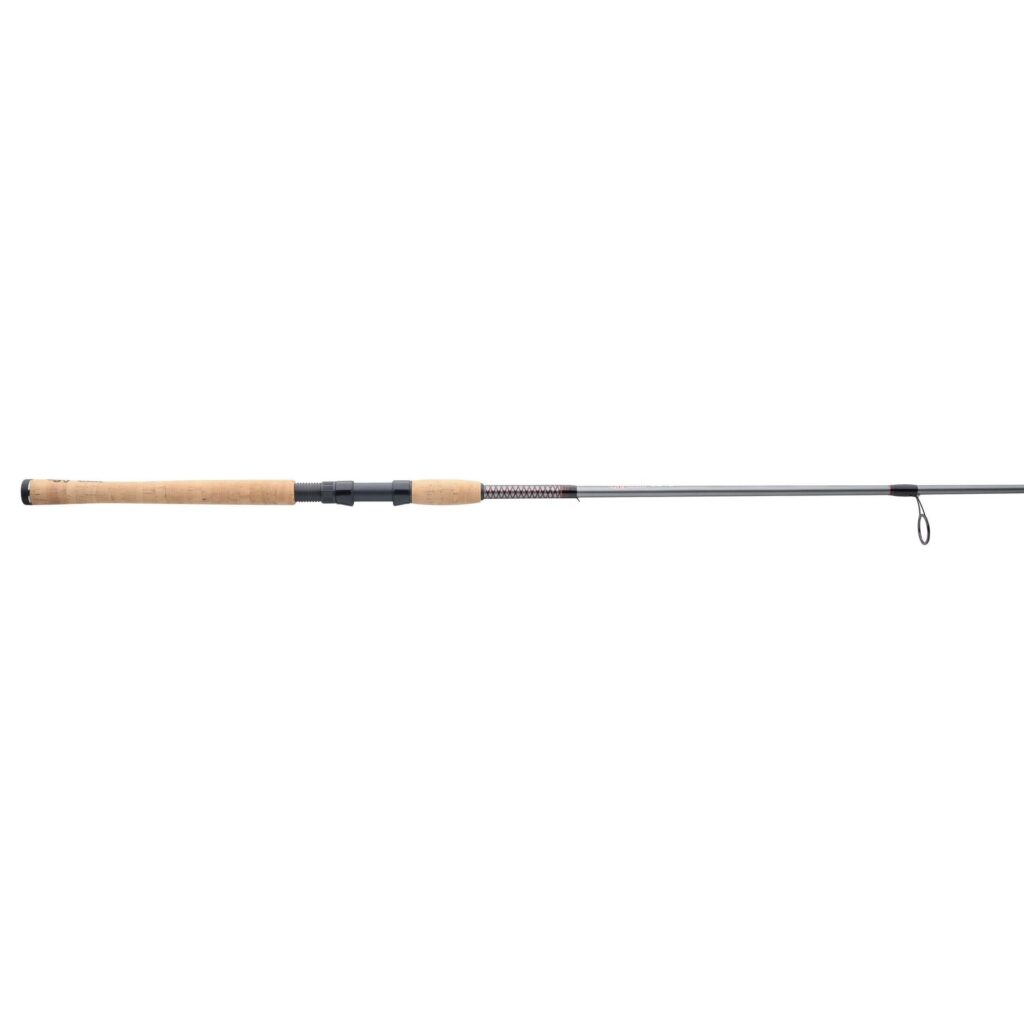
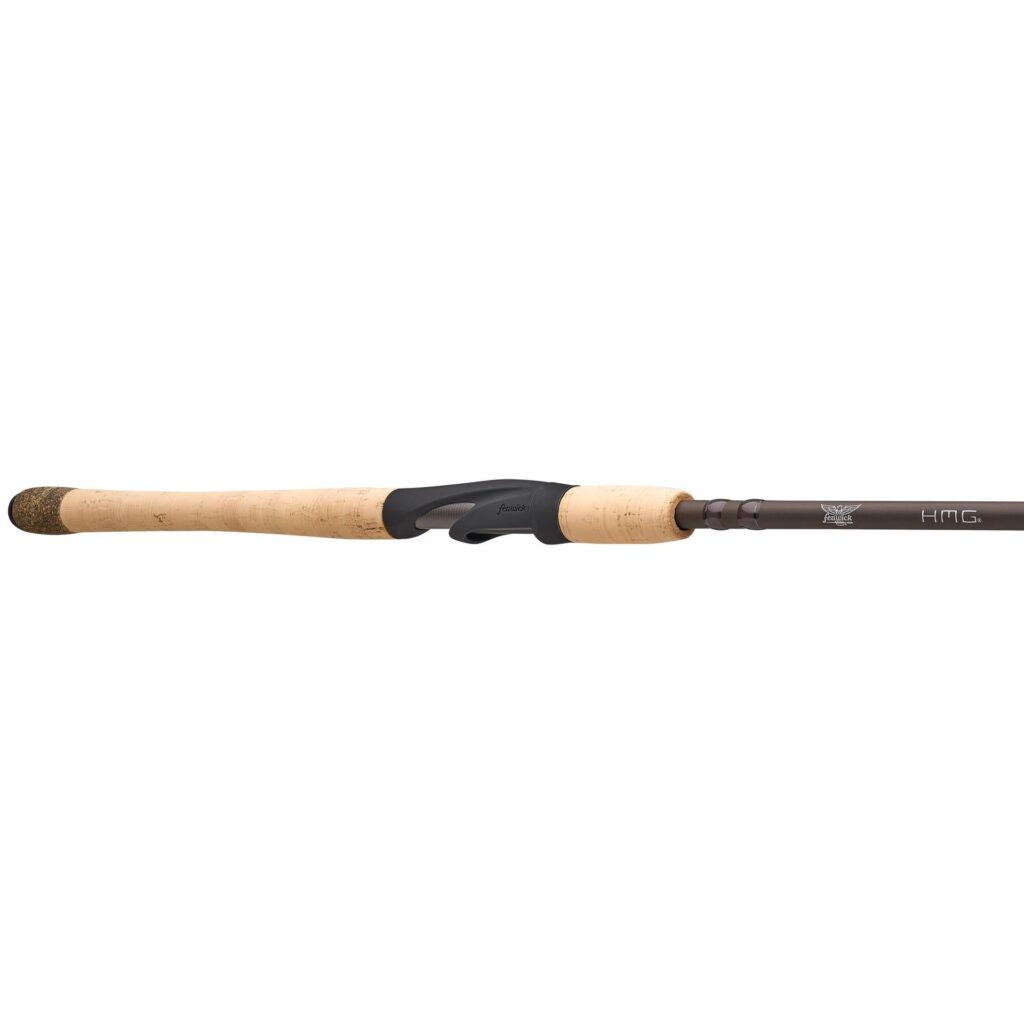
    🪶 Best Lightweight Performance: Fenwick HMG Salmon/Steelhead
    🎯 Best Casting Option: Shimano Clarus Salmon/Steelhead


    Best Rods for Spring Chinook River Fishing

    The rods below are proven, widely available, and well-suited to common spring Chinook techniques like float fishing, drifting bait, twitching jigs, and casting hardware.


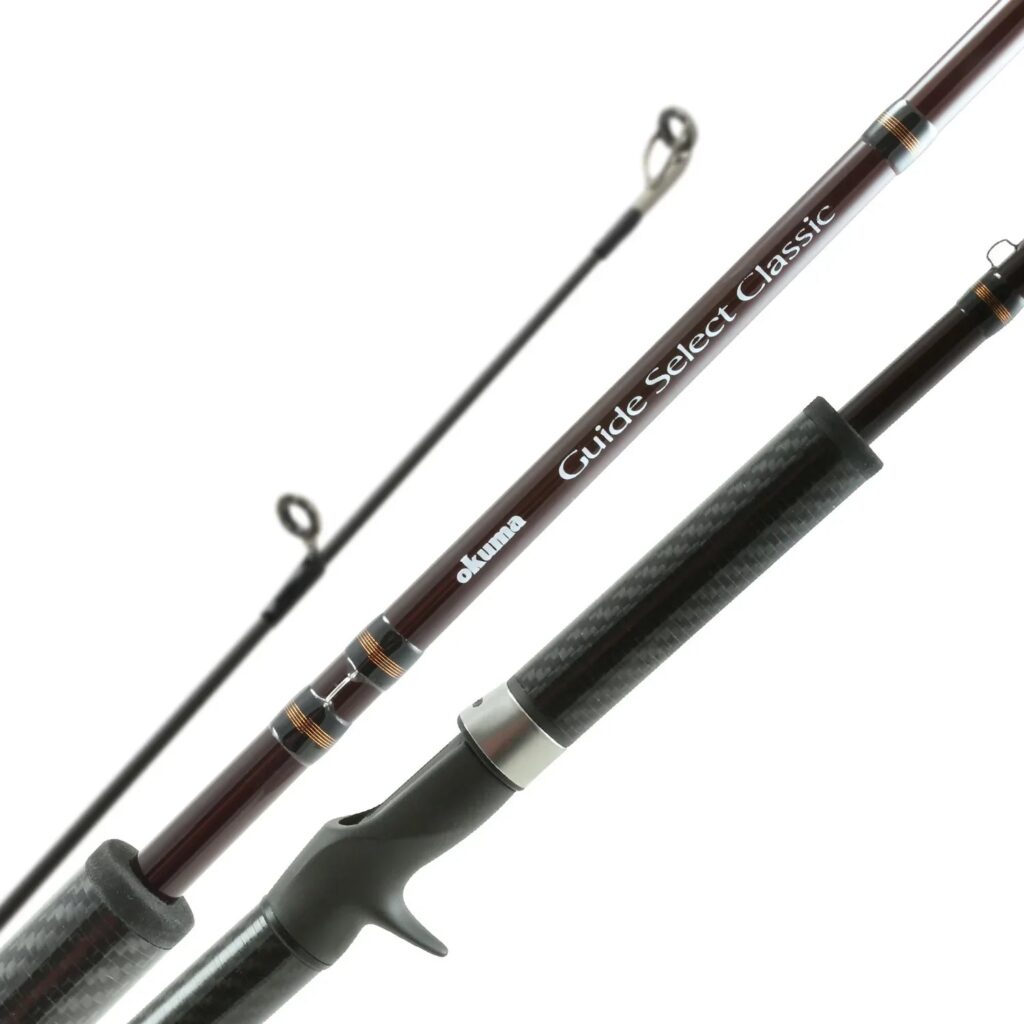
    Okuma Guide Select Classic — Best Overall

    Ugly Stik Carbon spinning salmon steelhead rod

    Best for: Float fishing, drifting eggs or soft beads, and versatile Chinook fishing.

    The Okuma Guide Select Classic is one of the most trusted salmon rods in the Pacific Northwest. It offers excellent line control for float fishing, strong hook-setting power, and enough backbone to handle big Chinook in heavy current.

    Recommended format: Spinning

    Why it works

    • Purpose-built for salmon techniques
    • Excellent balance for long drifts
    • Strong mid-section for turning fish

    Pros

    • Designed specifically for PNW salmon
    • Handles braid cleanly
    • Great all-around performance

    Cons

    • Higher price than entry-level rods

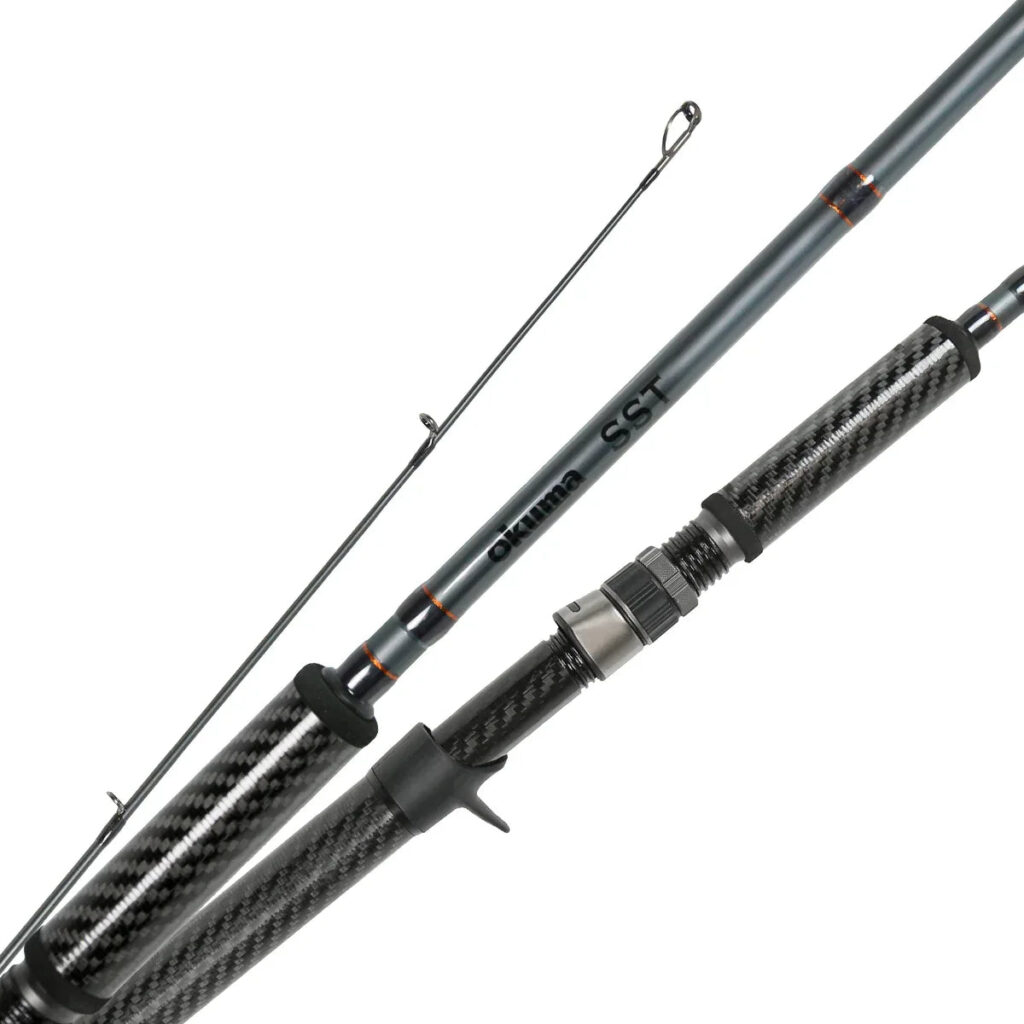
    Okuma SST — Best Value

    Okuma SST salmon fishing rod

    Best for: Anglers who want reliable Chinook performance at an affordable price.

    The Okuma SST is a staple on Northwest rivers. It’s versatile, durable, and powerful enough to handle spring Chinook without feeling overly stiff.

    Recommended format: Spinning

    Why it works

    • Covers multiple techniques well
    • Readily available and affordable
    • Plenty of backbone for Chinook

    Pros

    • Excellent value
    • Durable construction
    • Easy to find replacements or backups

    Cons

    • Heavier than premium rods
    • Less refined feel

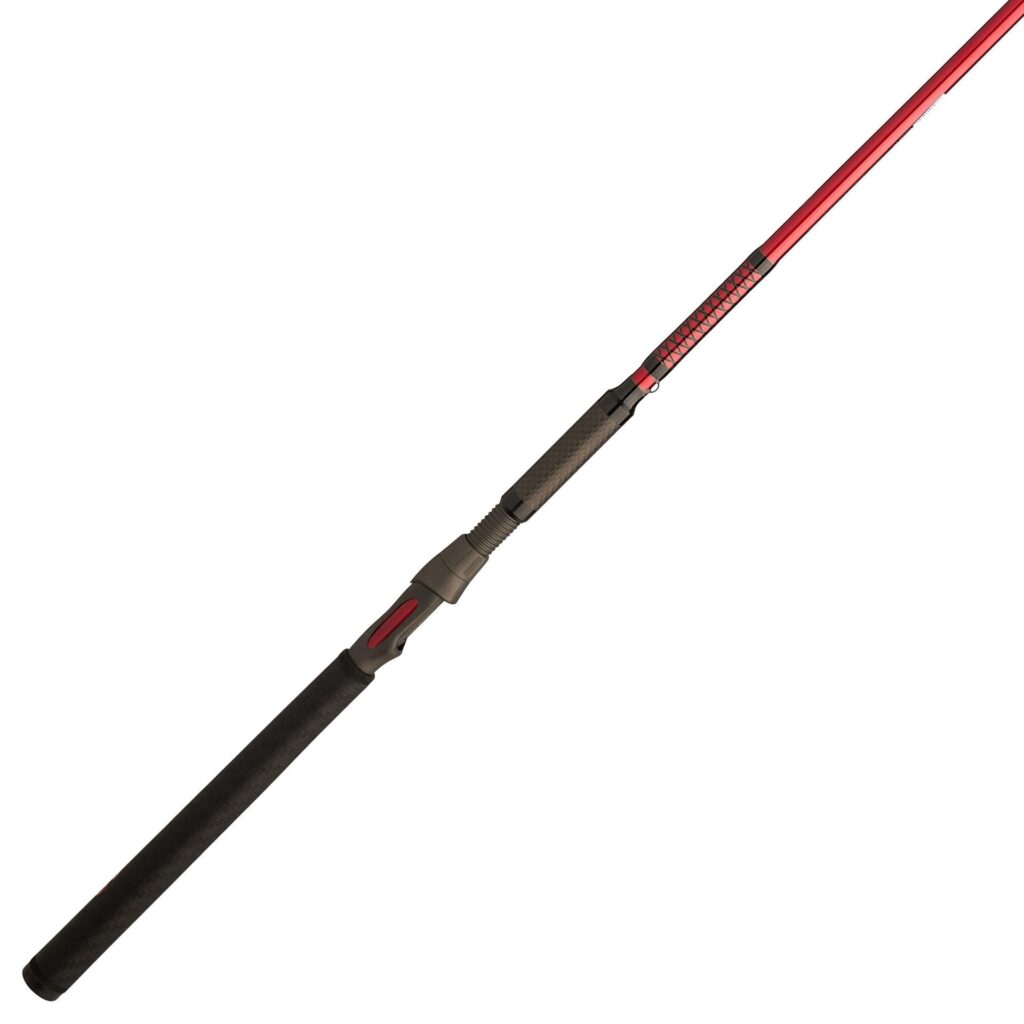
    Ugly Stik Carbon Salmon/Steelhead — Best Budget & Durability

    Ugly Stik Carbon spinning salmon steelhead rod

    Best for: Beginners, bank anglers, or anyone who prioritizes toughness.

    The Ugly Stik Carbon improves on the classic Ugly Stik design by adding sensitivity while maintaining legendary durability. It’s a forgiving rod that can still land big Chinook.

    Recommended format: Spinning

    Why it works

    • Very durable
    • Forgiving action
    • Budget-friendly

    Pros

    • Tough and reliable
    • Affordable
    • Handles mistakes well

    Cons

    • Heavier feel
    • Less sensitivity than premium rods

    Fenwick HMG Salmon/Steelhead — Best Lightweight Performance

    Fenwick HMG spinning salmon steelhead rod

    Best for: Anglers who want reduced fatigue during long days on the river.

    The Fenwick HMG series is known for being lightweight and responsive. It’s a great choice for anglers who value comfort and sensitivity while still needing enough power for Chinook.

    Recommended format: Spinning

    Why it works

    • Lightweight and well balanced
    • Sensitive tip for bite detection
    • Strong enough for most Chinook situations

    Pros

    • Comfortable for long sessions
    • Quality components
    • Clean, responsive feel

    Cons

    • Less forgiving in very heavy water
    • Not as stout as heavier rods

    Shimano Technium Casting Rod — Best Casting Option

    Shimano Technium casting salmon rod

    Best for: Anglers who prefer baitcasters, twitching jigs, or heavier hardware.

    The Shimano Technium is a solid choice for anglers who want precise lure control and a stronger backbone. While it can be used for multiple techniques, it shines most in casting setups.

    If twitching jigs is your primary technique, check out our full guide to the best twitching jig rods for spring Chinook.

    Recommended format: Casting

    Why it works

    • Excellent control for jigs and plugs
    • Strong backbone
    • Trusted Shimano build quality

    Pros

    • Precise lure control
    • Good power for Chinook
    • Durable construction

    Cons

    • Less beginner-friendly
    • Casting reels require more skill

    Spinning vs Casting Rods for Spring Chinook

    Many salmon rods are offered in both spinning and casting versions, and neither is universally better. The right choice depends on how you fish.

    Spinning Rods

    Best for:

    • Float fishing
    • Drifting eggs or soft beads
    • Lighter spinners and finesse presentations

    Why choose spinning:

    • Handles braid smoothly
    • Easier casting with lighter rigs
    • More forgiving for beginners

    Casting Rods

    Best for:

    • Twitching jigs
    • Plug fishing
    • Heavier hardware and faster water

    Why choose casting:

    • Better lure control
    • More precise presentations
    • Strong hook-setting leverage

    If you’re buying your first spring Chinook rod, a spinning setup is usually the safest and most versatile option.


    Final Recommendation

    For most Pacific Northwest anglers, a medium-heavy spinning rod in the 9’6”–10’6” range offers the best balance of control, casting distance, and fish-fighting power for spring Chinook. If you want one dependable choice, the Okuma Guide Select Classic (Spinning) stands out as the top overall pick. On a tighter budget, the Okuma SST and Ugly Stik Carbon provide excellent performance without overspending.


    • Best Twitching Jig Rod for Spring Chinook
    • Best Rod for Drift Fishing Eggs for Spring Chinook