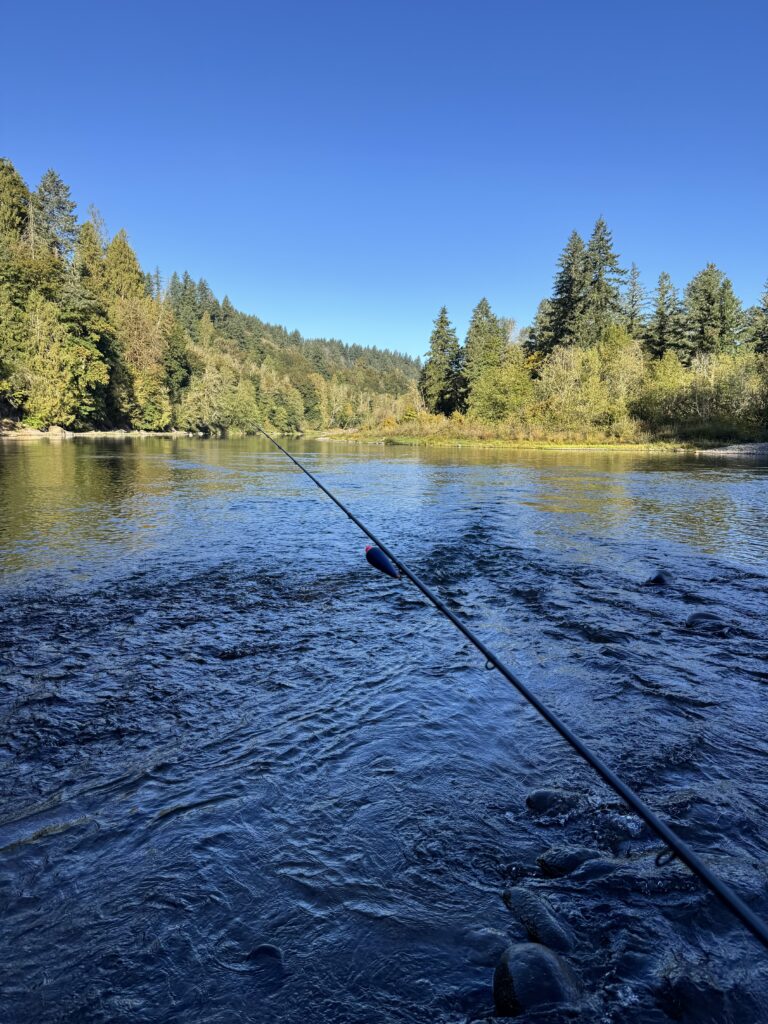
Category: Chinook Salmon Gear

Gear guides and setup breakdowns for Chinook salmon fishing in Pacific Northwest rivers, covering rods, reels, line, leader, knots, and terminal tackle.

  • Best Budget Spinning Reels for Chinook Salmon (Under $150)

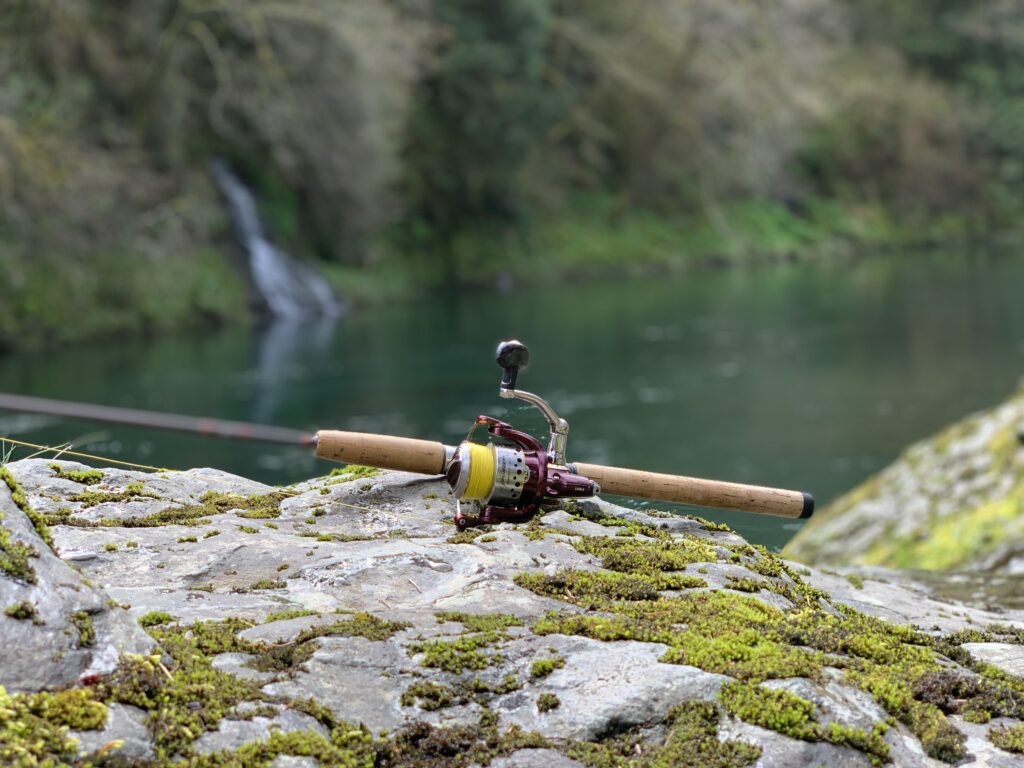
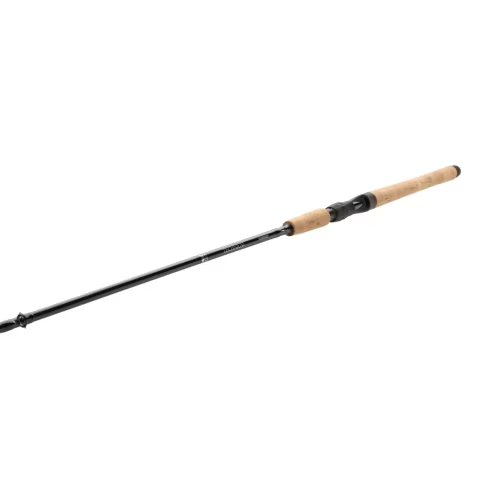
    spinning rod and reel setup for chinook salmon fishing on a river bank

    Disclosure: This post may contain affiliate links. If you purchase through them, I may earn a small commission at no extra cost to you.


    Best Budget Spinning Reels for Chinook Salmon Under $150

    The best budget spinning reels for Chinook salmon don’t have to cost a fortune, but they do need to hold up when it matters.

    There are a ton of “budget” spinning reels out there that come in way cheaper than what I’m recommending here.

    But when you’re targeting Chinook, this is one of those situations where you really do get what you pay for.

    I’ve used and seen enough gear fail to know that the cheapest option usually doesn’t hold up when you hook into a big fish or spend long days on the river.

    That doesn’t mean you need to spend a ton of money, but it does mean there’s a lower limit where quality starts to matter.

    These are the reels I’d personally look at if I wanted to stay on a budget without sacrificing reliability.

    I’d rather spend a little more once than deal with a reel failing in the middle of a good bite.


    🎯 Quick Picks: Budget Spinning Reels for Chinook


    How I Chose These Reels

    Most of these reels aren’t specifically built for heavy saltwater use—and that’s intentional.

    For river fishing, you don’t need to overpay for full saltwater sealing. What matters more is a smooth drag, solid build quality, and something that can hold up over time.

    When I’m choosing a reel for Chinook, especially on a budget, I’m looking at a few things:

    • Smooth, reliable drag under load
    • Strong enough gearing to handle bigger fish
    • Good line management for braid
    • Durability season after season

    If you’re looking for higher-end reels or want the absolute best performance options, check out my full breakdown of the best spinning reels for Chinook salmon fishing.


    Best Budget Spinning Reels for Chinook Salmon


    Shimano Nasci FD 4000 — Best Overall Budget Reel

    If I wanted the best performance possible without jumping into higher-end price ranges, this is the reel I’d grab.

    The Nasci just feels more refined than most reels in this price range. It stays smooth even when you’re under load, which matters a lot when you’ve got a bigger fish in current.

    Specs:

    • 6.2:1 gear ratio
    • Water-resistant design
    • Smooth drag system
    • Strong gearing under load

    My take:
    This is what I’d run if I wanted something that feels close to a higher-end reel without paying for it.

    shimano nasci 4000 spinning reel for chinook salmon river fishing

    This is one of those reels that punches above its price point and holds up over time.

    For a full setup, pair this with a solid braid from my best braided line for Chinook guide.


    Pflueger President XT 4000 — Best Value for the Money

    The President XT has been around for a long time for a reason—it just flat out works.

    It’s lightweight, smooth, and reliable, and it doesn’t cost as much as some of the other options that perform similarly.

    Specs:

    • Carbon body construction
    • 10 bearing system
    • 6.2:1 gear ratio
    • Lightweight design

    My take:
    If I wanted to save a little money but still have something I trust, this is an easy pick.

    pflueger president xt 4000 spinning reel for salmon fishing in rivers

    It’s a great middle-ground reel that balances price and performance really well.

    This reel pairs really well with a standard salmon float rig setup, especially for covering water efficiently.


    Penn Fierce IV 4000 — Most Durable Option

    Penn reels have always been known for durability, and the Fierce IV follows that same pattern.

    It’s not the lightest reel on this list, but it’s tough and can handle abuse.

    Specs:

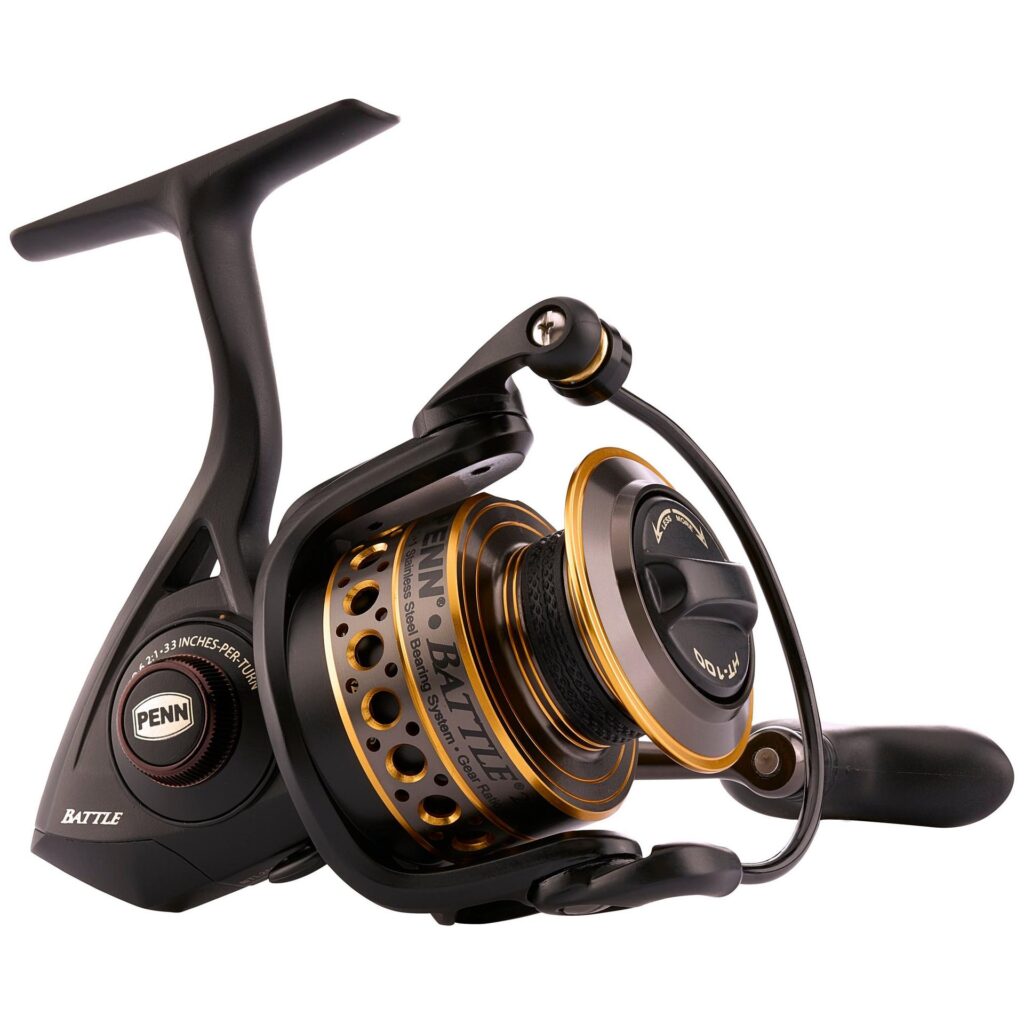
    • HT-100 carbon fiber drag
    • 6.2:1 gear ratio
    • Corrosion-resistant body
    • Strong build

    My take:
    This is what I’d run if I cared more about toughness than weight.

    penn fierce iv 4000 spinning reel for chinook salmon fishing setup

    If you’re hard on gear or fish in rough conditions, this is a solid choice.


    Shimano Spirex FG 4000 — Best Around $80

    If you’re trying to stay closer to that $80 range but still want something dependable, the Spirex is a good option.

    It’s smooth, consistent, and has that Shimano reliability without the higher price tag.

    Specs:

    • Smooth oscillation system
    • Anti-rust bearings
    • Balanced rotor design
    • Consistent line lay

    My take:
    This is a solid entry-level reel that still feels dependable.

    shimano spirex fg 4000 spinning reel for river salmon fishing

    Great option if you’re building a setup without overspending.


    KastKing Sharky — Best Ultra Budget Option

    If you absolutely need to keep costs down, this is about as low as I’d personally go.

    It’s not going to match the durability or smoothness of the other reels on this list, but it gets the job done.

    Specs:

    • Carbon fiber drag
    • Lightweight construction
    • High bearing count
    • Long cast spool

    My take:
    Good for beginners or as a backup reel, but I wouldn’t expect it to last like the others.

    kastking sharky spinning reel budget option for salmon fishing

    It’s not perfect, but for the price, it’s hard to beat if you’re trying to keep costs down.


    What to Look for in a Budget Salmon Reel

    When you’re buying a reel for salmon, even on a budget, there are a few things you don’t want to overlook.

    Drag System

    This is one of the biggest factors.

    You need something smooth and consistent, especially when a fish makes a run. A jerky drag is how you lose fish.


    Gear Strength

    Chinook aren’t small fish, and cheap gearing will show that quickly.

    Look for reels that feel solid when you’re cranking under pressure.


    Line Management

    If you’re running braid (which I recommend), you want a reel that lays line evenly and reduces tangles.

    This becomes even more important when you’re fishing a full float setup, especially with braided line.


    Durability

    This is where cheap reels usually fail.

    Spending a little more up front usually means you won’t be replacing your reel mid-season.


    Final Thoughts

    You don’t need to spend a ton of money to get a solid spinning reel for Chinook salmon fishing.

    But there’s definitely a point where going too cheap starts working against you.

    All of the reels in this guide are ones I’d actually consider running if I was trying to stay on a budget without sacrificing reliability.

    Overall, these are the best budget spinning reels for Chinook salmon under $150 if you want something reliable without overspending.


    Best Spinning Reels for Chinook Salmon
    Best Braided Fishing Line for Chinook Salmon
    Best Leader Line for Chinook Salmon
    Salmon Float Rig Setup
    Terminal Tackle for Salmon Fishing


    FAQ

    What is the best budget spinning reel for salmon?

    The best budget spinning reel for salmon is one that balances smooth drag, durability, and reliable performance without costing a fortune. Reels in the $80–$150 range tend to offer the best value for Chinook fishing.

    What size spinning reel is best for Chinook salmon fishing?

    A 4000 size spinning reel is the most versatile option for Chinook salmon fishing. It provides enough line capacity and drag strength while still being comfortable to use all day on the river.

    Can you use a cheap spinning reel for salmon fishing?

    You can, but it’s not always reliable. Cheaper reels often have weaker drag systems and gears, which can fail when fighting larger fish like Chinook.

    What pound line should I use for salmon fishing?

    Most anglers use braided line in the 40–65 lb range for salmon fishing, paired with a fluorocarbon leader. This setup gives you strength, sensitivity, and better control in current.

    Do you need a saltwater spinning reel for river salmon fishing?

    No, a saltwater-rated reel isn’t necessary for river fishing. What matters more is a smooth drag system and a reel that can hold up over time.

    What makes a good spinning reel for salmon fishing?

    A good salmon reel should have a smooth drag, strong gearing, and good line management. These features help you handle bigger fish and avoid issues during long days on the river.

    How long should a budget spinning reel last?

    A quality budget spinning reel should last at least a full season, and often multiple seasons with proper care. Spending slightly more upfront usually results in better durability.

  • Best Salmon Fishing Scents for Chinook and Coho

    salmon fishing scents commonly used in Pacific Northwest rivers

    This article may contain affiliate links. If you purchase through these links, I may earn a small commission at no additional cost to you.


    Finding the best salmon fishing scents can make a big difference when targeting Chinook and coho in Pacific Northwest rivers. Even when fish are not actively feeding, scent can help trigger curiosity or aggression and draw their attention to your bait.

    When fishing bait such as cured eggs, shrimp, or tuna belly, adding scent can help create a stronger scent trail in the water. As that scent moves downstream with the current, salmon moving upstream can follow it back to your presentation.

    Many anglers apply scent directly to their bait before each drift when fishing under a float. If you’re unfamiliar with that setup, the same bait presentations described here are commonly fished using the system explained in my guide to Salmon Float Rig Setup.

    Many of the components used in these bait presentations are part of a larger system explained in my guide to Terminal Tackle for Salmon Fishing.

    Below are some salmon fishing scents that consistently perform well when targeting Chinook and coho in Pacific Northwest rivers.


    Why Scent Can Help Catch More Salmon

    Salmon depend heavily on their sense of smell when navigating rivers during their migration. Even though salmon are not always actively feeding in freshwater, scent can still trigger instinctive reactions.

    When scent is added to bait, it creates a scent trail that drifts downstream with the current. As salmon travel upstream, they can detect this scent and track it back to the source.

    This is particularly helpful when fishing bait such as cured eggs or shrimp, which already produce natural scent. Enhancing those baits with additional attractants can make them easier for salmon to locate as they drift through runs and tailouts.

    If you’re still figuring out what to run, check out my guide on the best bait for Chinook salmon to pair with these scents.


    Best Salmon Fishing Scents

    Below are several scents that many salmon anglers rely on when fishing bait presentations.

    These scents can be applied directly to bait, added to egg cures, or used in shrimp brines depending on the situation.


    Pro-Cure Salmon Slammer Gel

    Best for: boosting egg clusters or shrimp when float fishing for Chinook.

    Pro-Cure Salmon Slammer Gel scent used for salmon fishing bait

    Pro-Cure Salmon Slammer is one of the most popular salmon scents available. It was designed specifically for salmon and steelhead fishing and produces a strong scent trail in the water.

    Many anglers apply a small amount directly to cured eggs or shrimp before each drift to help reinforce the scent trail.


    Pro-Cure Bloody Tuna

    Best for: tuna belly or egg presentations when fish respond well to strong fish oil scents.

    Pro-Cure Bloody Tuna scent for salmon fishing eggs and bait

    Bloody Tuna produces a strong fish-based scent that travels well in moving water. This scent can be especially effective when salmon are keying in on oily bait sources.

    It works particularly well when applied to tuna belly or when boosting the scent of egg clusters.


    Pro-Cure Addicted Super Gel – Salmon Blend

    Best for: applying directly to eggs or shrimp when you want a thick scent that stays on bait during long drifts.

    Pro-Cure Addicted Super Gel salmon blend scent for salmon fishing

    The Addicted Super Gel Salmon Blend is designed to stay on bait longer than many liquid scents. Its thicker consistency helps it remain on the bait as it drifts through current.

    Gel scents are popular among anglers fishing float rigs because they tend to last longer between drifts.


    Atlas Mike’s Lunker Gel – Anise

    Best for: adding a sweet scent to egg clusters when fishing deeper holes or slower water.

    Atlas Mike's Lunker Gel Anise scent used for salmon fishing bait

    Anise has long been a popular scent among salmon anglers. The sweet licorice-style scent creates a strong aroma that travels well in the water.

    Atlas Mike’s Lunker Gel Anise works well when applied to eggs, shrimp, or yarn.


    Atlas Mike’s Super Scent – Sardine

    Best for: creating a strong oily scent trail when fishing deeper runs.

    Atlas Mike's Super Scent Sardine salmon fishing bait scent

    Sardine-based scents produce a powerful scent trail that can travel farther in moving water. Many anglers apply this scent to bait when fishing deeper sections of river where salmon rely heavily on smell.

    It can be applied directly to bait or mixed into egg cures.


    Atlas Mike’s Lunker Lotion – Sand Shrimp

    Best for: reinforcing the natural scent of shrimp when fishing egg and shrimp combinations.

    Atlas Mike's Lunker Lotion Sand Shrimp scent for salmon fishing bait

    Sand shrimp are a natural food source for salmon in many rivers. Atlas Mike’s Lunker Lotion Sand Shrimp scent is designed to imitate that natural scent.

    This scent can be applied directly to shrimp or egg clusters before each drift.


    Pautzke Balls O’ Fire Red Nectar

    Best for: adding to shrimp brines or egg cures when preparing bait ahead of time.

    Pautzke Balls O Fire Red Nectar scent used for salmon bait brines and egg cures

    Pautzke Red Nectar works a little differently than most scents on this list. Rather than applying it directly to bait while fishing, many anglers add it when preparing bait.

    It is commonly used when brining shrimp or boosting egg cures to add both scent and color to the bait.


    Best Scents for Salmon Eggs

    Cured salmon eggs already produce a natural scent trail, but many anglers like to boost their egg clusters with additional scent, or add a scent when eggs alone aren’t producing a strike.

    Gel scents tend to work especially well because they stay on the bait during long drifts. Applying a small amount before each drift helps maintain a consistent scent trail.

    Fish-based scents such as tuna or sardine often work well for Chinook salmon, while shrimp-based scents can also be effective depending on the conditions.

    This approach works particularly well when fishing egg clusters using the setup described in my guide on How to Rig Salmon Eggs Under a Float.


    Pro-Cure vs Atlas Mike’s Salmon Scents

    Two of the most popular scent brands used by salmon anglers are Pro-Cure and Atlas Mike’s.

    Pro-Cure scents are known for their strong fish-based scent profiles and gel formulas that stay on bait during long drifts.

    Atlas Mike’s offers a wide variety of scent formulas including gels, liquids, and lotions. These scents are commonly used on bait or mixed into egg cures and shrimp brines.

    Both brands produce effective salmon scents, and many anglers carry several options so they can experiment depending on fishing conditions.


    When Scent Makes the Biggest Difference

    Scent can be especially helpful in certain fishing situations.

    For example:

    • cold water conditions when fish are less aggressive
    • deeper holes where fish rely more on scent
    • murky water where visibility is limited

    In these situations, scent can help salmon locate bait more easily as it drifts through the current.


    Common Mistakes When Using Salmon Scents

    One common mistake anglers make is applying too much scent. A small amount is usually enough to create a strong scent trail.

    Another mistake is failing to reapply scent after several drifts. Refreshing scent occasionally helps maintain a consistent scent trail in the water.

    Even when using scent, presentation still matters. Your bait needs to drift naturally through the current using a properly set up rig.

    Even when using scent, presentation still matters. Your bait needs to drift naturally through the current using a properly set up rig and a sharp hook like the ones discussed in my guide to Best Hooks for Salmon Fishing.


    FAQ

    What scent works best for salmon fishing?

    Many anglers use fish-based scents such as tuna, sardine, or shrimp when targeting salmon. These scents produce a strong scent trail that salmon can detect as they move upstream. Popular salmon fishing scents include products from brands like Pro-Cure, Atlas Mike’s, and Pautzke.

    Do salmon fishing scents really work?

    Scent can help salmon locate bait more easily by creating a scent trail that drifts downstream with the current. While scent alone will not guarantee bites, many anglers believe it increases the chances of salmon noticing and investigating the bait.

    Should you add scent to salmon eggs?

    Many anglers add scent to cured salmon eggs to strengthen the scent trail in the water. Applying a small amount of gel or liquid scent to the egg cluster before each drift can help salmon locate the bait more easily.

    How often should you apply scent when salmon fishing?

    Scent is usually reapplied every few drifts to maintain a strong scent trail. Water current and bait durability can affect how long scent remains on the bait, so refreshing it occasionally helps keep the presentation effective.

    Can salmon scent be used on shrimp or tuna belly?

    Yes. Salmon scents are commonly applied to bait such as shrimp, tuna belly, or cured eggs. Adding scent to these baits can help reinforce their natural smell and create a stronger scent trail in the water.

  • Best Bait for Chinook Salmon (River Fishing Guide)

    Salmon eggs and sand shrimp bait rig for Chinook salmon fishing

    Disclosure: This post may contain affiliate links. If you purchase through links on this page, I may earn a commission at no extra cost to you.


    In my experience, the best bait for Chinook salmon in rivers is cured salmon eggs, but knowing when to use shrimp, tuna belly, or bait combinations can make a huge difference.

    Chinook salmon are powerful fish that can be surprisingly selective about what they bite.

    The baits that work best usually come down to three things: strong scent, a natural presentation, and staying on the hook in current.

    Growing up fishing rivers like the Clackamas, Sandy, Wilson, Kilchis, and Trask I’ve learned that Chinook can be picky depending on water clarity, pressure, and how fresh they are from the ocean. The anglers who consistently catch fish aren’t just using one bait — they’re adjusting based on conditions.

    In this guide, I’ll break down the best bait for Chinook salmon, when to use each one, and how to combine them for the highest success.


    WHAT IS THE BEST BAIT FOR CHINOOK SALMON?

    The best bait for Chinook salmon is cured salmon eggs.

    Here’s why they work so consistently:

    • Put out a strong scent trail
    • Match what salmon naturally key in on
    • Stay effective in a wide range of river conditions

    That said, eggs alone aren’t always enough. That’s where adding shrimp or other bait can really make a difference.

    If you’re running eggs under a float, check out my full setup here:
    ➡️ Salmon Float Rig Setup
    ➡️ Terminal Tackle for Salmon Fishing


    CURED SALMON EGGS

    cured salmon eggs for chinook salmon bait ready to fish in river

    Cured eggs are the foundation of almost every successful Chinook setup. Most of the time, I’m running egg clusters around golf-ball size, adjusting slightly based on conditions.

    They shine in:

    • Most river conditions
    • Clear to slightly colored water
    • Both fresh and staged fish

    One thing a lot of anglers overlook is that the cure you use on your eggs can make a big difference. The cure affects scent, color, and how well your bait holds up in the water, all of which can impact how fish respond.

    Some days fish will key in on one specific cure and completely ignore another.

    If you want a full breakdown of what works best, check out my guide on the best salmon egg cures.

    If you’re just starting, this is the one bait you should always have.

    Full guide here:
    How to Rig Salmon Eggs


    SAND SHRIMP & COON SHRIMP

    sand shrimp used as bait for chinook salmon river fishing
    coon shrimp used as bait for chinook salmon river fishing

    Shrimp is one of the best ways to upgrade your presentation, especially when paired with eggs.


    WHEN SHRIMP OUTPERFORM EGGS ALONE

    In most river situations, cured eggs are still the base bait. But there are times when adding shrimp will consistently outfish eggs by themselves.

    Shrimp isn’t something I typically fish on its own, it really shines when combined with eggs.

    Situations where shrimp makes a difference:

    • Near tidewater or when fish are fresh from the ocean
    • Lower visibility or slightly dirty water
      Shrimp creates a stronger scent trail, which makes it a lot easier for fish to track your bait in the curren
    • When fish are pressured or ignoring standard egg presentations

    HOW TO RIG COON SHRIMP

    For coon shrimp, I almost always:

    • Remove the head
    • Fish the tail only

    What this does is:

    • A cleaner presentation
    • Easier rigging
    • A better overall bait profile in the water

    HOW TO RIG SAND SHRIMP

    Sand shrimp vary a lot in size, so how you rig them depends on the bait.

    • Smaller shrimp → can fish whole or tail
    • Larger shrimp → usually fish just the tail

    I also always remove the large claws.

    Why?

    • Prevents the bait from spinning in current
    • Improves your drift
    • Stops the claws from acting like a “sail” in the water

    If your bait is spinning, you’re significantly reducing your chances of getting bit.

    Getting your presentation right here is key, especially when fishing under a float setup.


    EGGS + SHRIMP COMBO (CHINOOK KILLER)

    salmon egg and shrimp combo rig for chinook salmon fishing under a float

    This is my go-to setup for Chinook.

    A chunk of cured eggs paired with shrimp creates:

    • Strong scent dispersion (eggs)
    • Added profile and texture (shrimp)

    I’ve found this combo consistently outfishes single bait, especially in:

    • Slightly dirty water
    • Heavily pressured rivers
    • When fish are being selective

    My “Perfect Chinook Cocktail”

    In certain conditions, especially in lower visibility water or when fish aren’t committing, I’ll step it up even further and run what I call my “perfect Chinook cocktail.”

    This setup combines cured eggs, a sand shrimp tail, and a piece of tuna belly all on the same hook.

    I start by threading the tuna belly onto the hook and sliding it up onto the leader. Then I add the shrimp tail higher up on the hook, followed by my eggs. Everything gets held in place with a double-wrapped bait loop.

    This stacks the bait so the tuna belly sits above the shrimp, and the shrimp rests on the eggs, creating a strong scent trail with a natural profile.

    When visibility is low or fish are being stubborn, this combination has saved a lot of days on the river for me.

    It’s not the kind of setup I run all the time, but when conditions get tough, this is one of the first things I’ll switch to.

    Another thing that can make a difference, especially in lower visibility water or when fish are being stubborn, is adding scent to your bait.

    Even when you’re already running eggs, shrimp, or tuna, adding scent can help strengthen your scent trail and give fish something easier to track in the current.

    If you want a breakdown of what works best and when to use it, check out my guide on the best salmon scents.


    TUNA BELLY

    Tuna belly is an underrated bait for Chinook, especially for bigger, aggressive fish.

    Best used:

    • When targeting larger fish
    • In deeper slots
    • When fish are actively feeding

    It has a strong scent and oily profile that can trigger bites when other bait isn’t working.


    SOFT BEADS

    soft beads for salmon fishing in river conditions as alternative to eggs

    Soft beads are a great alternative when:

    • Fish are pressured
    • Water is clear
    • Eggs aren’t getting bites

    They don’t have scent like bait, but they can still be very effective in the right conditions.


    WHEN LURES CAN WORK

    While bait is usually more effective, lures like spinners and spoons can work when:

    • Fish are aggressive
    • Water has good visibility
    • You want to cover water quickly

    HOW TO CHOOSE THE RIGHT BAIT FOR CONDITIONS

    Here’s a simple way to think about it:

    • Clear water → eggs or beads
    • Slight color → eggs + shrimp combo
    • Dirty water → stronger scent (eggs + shrimp or tuna)
    • Fresh fish near tidewater → shrimp combos shine

    Adjusting your bait to conditions is one of the biggest differences between average and consistent anglers.


    FINAL THOUGHTS

    If I had to choose just one bait, cured eggs would be it.

    But if you want to consistently catch more Chinook, start thinking in combinations — especially adding shrimp when conditions call for it.

    Pair the right bait with the right setup:
    Best Salmon Floats
    Best Leader Line for Chinook Salmon


    FAQ

    What is the best bait for Chinook salmon in rivers?

    Cured salmon eggs are the most consistent bait for Chinook salmon in rivers. They produce a strong scent trail and work in a wide range of conditions, but adding shrimp or tuna belly can improve results depending on water clarity and fish behavior.

    Do salmon prefer eggs or shrimp?

    Salmon typically key in on eggs, but shrimp can outperform eggs alone in certain situations. Adding shrimp to eggs creates a stronger scent trail and a more natural presentation, especially in lower visibility water or when fish are pressured.

    Can you use shrimp alone for Chinook salmon?

    You can use shrimp alone, but most anglers have better success pairing it with eggs. Combining shrimp with eggs creates a more effective bait presentation and increases your chances of getting bites.

    What bait works best in dirty water for Chinook?

    In dirty or low visibility water, stronger scent matters most. A combination of cured eggs with shrimp or tuna belly works best because it creates a scent trail that fish can track more easily.

    What is the best bait combo for Chinook salmon?

    A highly effective bait combo is cured eggs, a sand shrimp tail, and a piece of tuna belly. This combination creates a strong scent profile and natural presentation that works especially well in tough conditions or when fish are not committing.

  • Best Hooks for Salmon Fishing (River Setup Guide)

    Salmon hooks tied as fishing leaders wrapped around a foam noodle

    Affiliate Disclosure

    This post may contain affiliate links. If you purchase through these links, I may earn a small commission at no additional cost to you. As an Amazon Associate, I earn from qualifying purchases.


    Best Hooks for Salmon Fishing (Overview)

    The best hooks for salmon fishing can make a huge difference in your hookup rate, especially when fishing rivers for Chinook and coho. The right hook helps your bait stay natural, improves hook penetration, and increases the chances of landing fish once they’re hooked

    Unlike many types of fishing where dozens of hook styles are commonly used, salmon fishing tends to rely on just a few proven hook designs.

    After years of fishing for Chinook in Pacific Northwest rivers, I keep things simple. There are three hook styles that consistently perform well:

    • Octopus hooks
    • Circle hooks
    • Big river bait hooks (sickle hooks)

    These same hook styles are commonly used for both Chinook and coho salmon, although coho anglers often size down slightly.

    Each one serves a slightly different purpose depending on your bait and fishing conditions.

    Hooks are just one part of the overall setup. If you’re building a full salmon rig, it helps to understand how the rest of the gear fits together in a complete terminal tackle setup for salmon fishing.

    If you’re fishing with a salmon float rig, the hook you choose becomes even more important for getting consistent hooksets.


    Octopus Hooks (My Go-To for Float Fishing)

    The Gamakatsu Octopus hook is one of the most reliable options for salmon fishing with bait.


    If I’m using a salmon float rig setup, my go-to hook is a Gamakatsu octopus hook.

    Octopus hooks work extremely well when fishing bait under a float.

    For most Chinook fishing situations, I typically use:

    5/0
    or
    4/0

    When I’m fishing bait under a float for Chinook, a 5/0 Gamakatsu octopus hook is usually the first hook I reach for. It’s a simple setup that consistently hooks fish in the corner of the mouth, which helps keep them pinned during the fight.

    That location holds fish well and reduces the chances of the hook pulling free during a fight.

    There are a few design features that make octopus hooks so effective:

    Wide hook gap

    This allows the hook point to stay exposed even when fishing bait like cured salmon eggs or egg and shrimp combinations.

    Short shank

    The shorter shank reduces leverage, which helps prevent fish from twisting the hook loose.

    Rotating hook shape

    The curved shape helps the hook rotate into position as the fish moves away with the bait.

    Because of this design, octopus hooks are extremely reliable for float fishing with bait.


    The Difference Between an Octopus Hook and a Circle Hook

    octopus hook shape used for salmon bait fishing
    Octopus Hook

    Hook point angled straighter
    Traditional hook set
    Common sizes: 5/0 – 3/0

    circle hook with inward point used for salmon fishing rigs
    Circle Hook

    Hook point curls inward
    Designed to self-set
    Start reeling instead of setting the hook


    Circle Hooks (Designed to Self-Set)

    circle hook with inward curved point used for salmon fishing

    I’ve used circle hooks extensively for Chinook, and they’ve consistently been the most reliable option for fishing bait under a float when I don’t have an octopus hook on hand.


    Circle hooks look similar to octopus hooks but have one important difference.

    The point of the hook curves inward toward the shank.

    This design changes how the hook sets.

    Instead of setting the hook aggressively like you would with a traditional hook, circle hooks are designed to hook fish automatically.

    When a fish grabs the bait and starts swimming away, the hook naturally rotates and catches in the corner of the fish’s mouth.

    The correct method when using circle hooks is simple:

    Start reeling instead of setting the hook.

    As tension increases, the hook rotates and sets itself.

    Circle hooks are commonly used when anglers want to reduce deep hooking or improve survival rates when fish are released.


    Big River Bait Hooks (Sickle Hooks)

    gamakatsu big river bait hook used for salmon fishing

    When you’re fishing larger bait presentations or dealing with tougher conditions, switching to a big river bait hook can give you a more aggressive profile and better hook penetration.


    Another hook style used for salmon fishing is the Big River Bait Hook, often referred to as a sickle hook.

    These hooks have a much more aggressive shape compared to octopus hooks.

    They are designed to hold larger bait presentations, which can be useful in situations where visibility is low or when fishing bigger bait combinations.

    Examples include:

    • large egg clusters
    • eggs with sand shrimp
    • eggs with tuna belly

    Because of their wider and more aggressive bend, these hooks provide strong penetration and can handle heavier bait setups.

    When I’m fishing larger bait in murky water or trying to create a bigger profile, switching to a sickle hook can make sense.


    Hook Size for Salmon Fishing

    Hook size depends on the bait being used and the type of salmon you’re targeting.

    Hook size should also match the bait and terminal setup you’re using. I cover how all the components work together in my terminal tackle guide for salmon fishing.

    For most Chinook fishing situations, these sizes work well:

    • 5/0 – standard Chinook size
    • 4/0 – slightly smaller presentation
    • 3/0 – smaller bait or pressured fish

    When targeting coho salmon, anglers usually size down slightly because coho tend to prefer smaller bait presentations.

    Typical coho hook sizes include:

    • 3/0
    • 2/0
    • 1

    The goal is to choose a hook large enough to hold bait securely while still leaving the point exposed for solid hook penetration.


    Barbed vs Barbless Hooks

    Some fisheries require barbless hooks, so it’s always important to check local regulations before fishing.

    When regulations allow barbed hooks, many anglers prefer them because they help prevent fish from throwing the hook during long fights.

    However, barbless hooks are often required in certain rivers to protect fish populations.

    Always check the rules for the river you’re fishing.


    Tips for Better Salmon Hookups

    A few small details can make a big difference in landing salmon.

    Keep the hook point exposed

    If bait completely covers the hook point, penetration becomes much harder.

    Use sharp hooks

    Salmon have tough mouths, so a razor sharp hook is important.

    Match hook size to bait

    Large bait requires a larger hook to maintain proper exposure.


    Should Salmon Hooks Be Razor Sharp?

    One detail that many anglers overlook is hook sharpness. Salmon have tough mouths, especially Chinook, so a razor sharp hook is extremely important for solid hook penetration.

    Many high-quality hooks like Gamakatsu come very sharp out of the package, but it’s still a good habit to check the point regularly while fishing. If a hook drags across rocks or becomes dull, replacing it or touching it up with a hook file can make a noticeable difference in hookup rates.


    How to Choose the Best Hook for Salmon Fishing

    Choosing the best hook for salmon fishing depends on three main factors: your bait, your fishing method, and water conditions.

    • Float fishing with bait: Octopus hooks are the most reliable choice
    • Drift fishing: Pencil lead setups often pair well with octopus or circle hooks
    • Larger bait presentations: Big river (sickle) hooks can improve hookup rates

    In most river situations targeting Chinook, a 5/0 octopus hook is the most versatile and consistent option.


    Salmon Float Rig Setup
    Best Salmon Floats for River Fishing
    Best Salmon Weights for River Fishing
    Terminal Tackle for Salmon Fishing
    Best Leader Line for Chinook Salmon


    Final Thoughts

    While there are many hook styles available, salmon anglers typically rely on just a few proven designs.

    Octopus hooks remain one of the most versatile and reliable options, especially when float fishing with bait.

    Circle hooks offer a self-setting design that reduces the need for aggressive hooksets, while big river bait hooks provide an aggressive profile for larger bait presentations.

    Keeping your hook sharp and properly matched to your bait will greatly improve your chances of landing salmon.

    When choosing the best hooks for salmon fishing, most anglers rely on a few proven designs like octopus hooks, circle hooks, and big river bait hooks.


    FAQ Section

    What are the best hooks for salmon fishing?

    The most common hooks used for salmon fishing are octopus hooks, circle hooks, and big river bait hooks. Octopus hooks are extremely popular for float fishing with bait, while circle hooks are designed to self-set as the fish swims away. Big river bait hooks are often used when fishing larger bait presentations.

    What size hook should I use for Chinook salmon?

    Many anglers use hook sizes between 5/0 and 3/0 when targeting Chinook salmon. A 5/0 hook is a common starting point for most bait setups, while 4/0 or 3/0 hooks can be used when fishing smaller bait or in clearer water conditions.

    What size hook is best for coho salmon?

    Coho salmon are typically targeted with slightly smaller hooks than Chinook. Many anglers use sizes between 3/0 and 1/0 depending on the bait being used. Smaller hooks help match the smaller bait presentations often used when fishing for coho.

    Are circle hooks good for salmon fishing?

    Yes, circle hooks can work well for salmon fishing because they are designed to hook fish in the corner of the mouth as the fish swims away with the bait. When using circle hooks, anglers should avoid setting the hook and instead begin reeling to allow the hook to rotate and set itself.

    Why are octopus hooks commonly used for salmon fishing?

    Octopus hooks are popular for salmon fishing because their curved shape allows them to rotate naturally in a fish’s mouth, often resulting in strong corner-of-the-mouth hookups. Their wide gap and short shank also help improve hook penetration and reduce the chances of the hook being thrown during the fight.

  • Best Salmon Weights for River Fishing (Sizes for Float, Drift & Plunking)


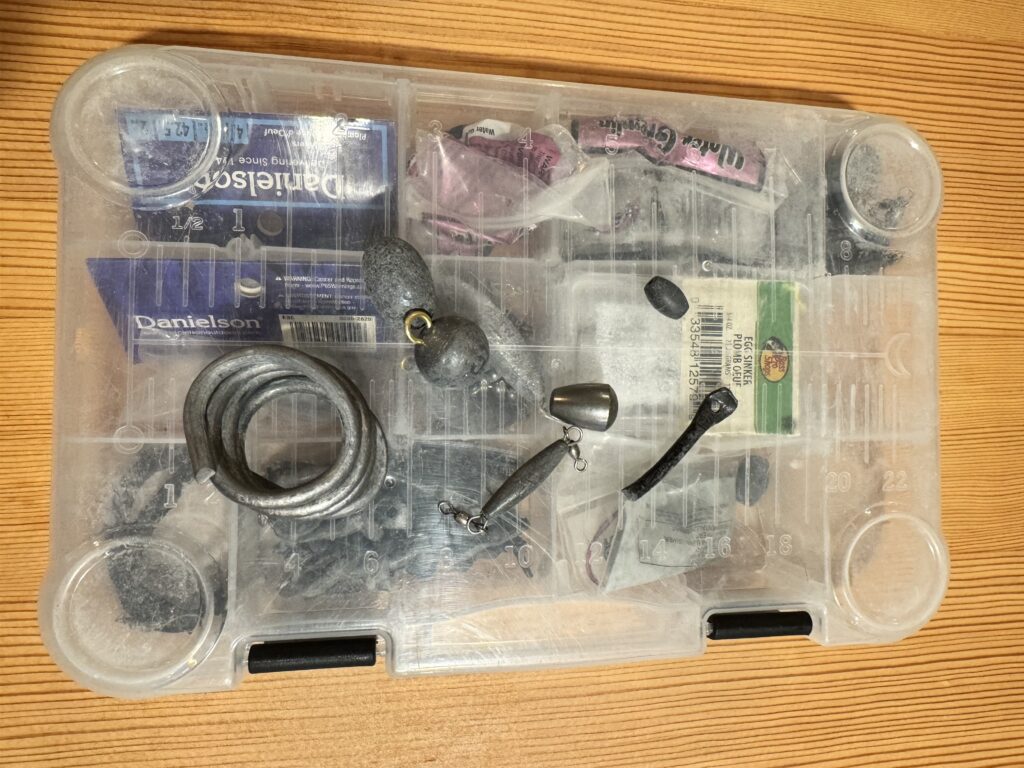
    salmon fishing weights including egg sinkers pencil lead cannonball sinkers and inline weight

    Affiliate Disclosure: As an Amazon Associate, I earn from qualifying purchases. Some links on this page are affiliate links, meaning I may earn a small commission if you purchase through them at no additional cost to you.


    Best Salmon Weights for River Fishing (Overview)

    The best salmon weights for river fishing can make the difference between getting your bait into the strike zone and constantly missing fish. The right weight controls how quickly your bait sinks, how naturally it drifts, and whether your presentation stays where salmon are holding.

    Different salmon fishing techniques use different types of weight. The three most common river methods are:

    • Float fishing
    • Drift fishing
    • Plunking

    Each method requires a slightly different style of weight to work effectively.

    In this guide, I’ll walk through the best weights for salmon fishing in rivers, how much weight to use, and when each style works best.

    If you’re new to building salmon rigs, I recommend also reading my guide on salmon terminal tackle setups, which covers how all of these pieces connect together.

    If you’re fishing bait, pairing the right weight with properly cured eggs also makes a huge difference in getting consistent bites.


    Salmon Fishing Weight Size Guide for Rivers

    Float fishing

    3/4 oz — light current
    1 oz — most common
    1.5 oz — deeper runs
    2 oz — heavy current

    Drift fishing

    pencil lead adjusted to current- or
    split shot stacked as needed

    Plunking

    1–3 oz — slow current
    4–6 oz — moderate current
    6–10 oz — strong current


    How to Choose the Right Salmon Weight

    Choosing the right salmon weight depends on a few key factors: water depth, current speed, and how you’re presenting your bait.

    In deeper or faster water, heavier weights help get your bait down into the strike zone quickly. In slower or shallower water, lighter weights create a more natural drift and can lead to more bites.

    Your weight should also match your setup. For example, float fishing typically uses lighter weights that allow your bait to move naturally with the current, while plunking requires heavier weights to hold your bait in place.

    Dialing this in is one of the biggest factors in consistently catching salmon in rivers.


    What Size Weight for Salmon Float Fishing

    For most Chinook float fishing in rivers, the goal is to use enough weight to get your bait down quickly while still allowing the float to drift naturally with the current.

    Most of the time I run about 1 ounce of weight for salmon float fishing.

    However, this can change depending on the depth of the run and the speed of the current.

    Your float size should match the amount of weight you’re using so the float can properly support the rig, which is all covered in my breakdown of the best floats for salmon fishing.

    Typical salmon float weight sizes look like this:

    3/4 oz — light current or shallow water  
    1 oz — most common setup
    1.5 oz — deeper runs or faster current
    2 oz — heavy current

    Lighter water conditions sometimes allow you to get away with 3/4 ounce, which can create a slightly more natural presentation when the current is slower.

    In deeper or faster water, stepping up to 1.5 or even 2 ounces helps the bait reach the strike zone faster.

    If you want to see exactly how these weights fit into a complete setup, check out my salmon float rig setup guide, where I break down the full rig step-by-step.


    Sliding Egg Weights (My Go-To for Float Fishing)

    Best Sliding Egg Sinkers for Salmon Float Fishing
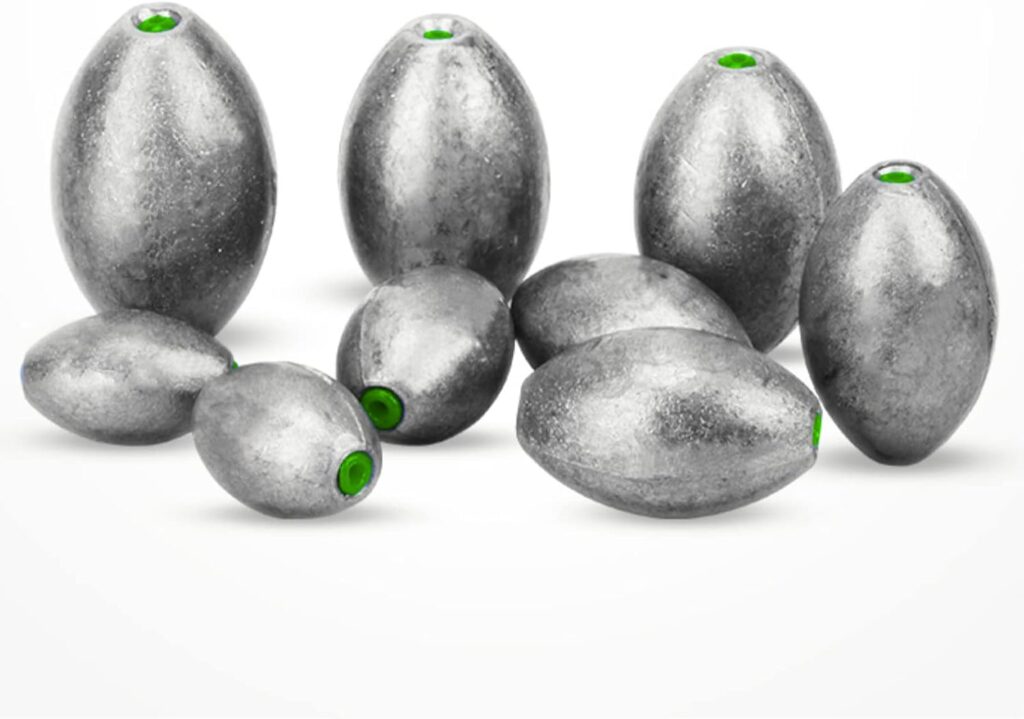
    sliding egg sinker weights used for salmon float fishing rigs

    The weight I use most often for salmon float fishing is a sliding egg weight.

    These weights are simple, inexpensive, and extremely reliable.

    In a standard float rig, the egg weight slides freely on the main line above the swivel. This allows the float to control the depth while the weight helps get the bait down quickly.

    Sliding egg weights also allow salmon to take the bait with less resistance before the hookset.

    Why Egg Weights Work So Well

    • Simple and easy to rig
    • Inexpensive and widely available
    • Slide freely on the mainline
    • Work well with most float setups

    For most salmon float rigs, it’s hard to beat the simplicity of an egg weight.


    Pencil Weights (Common for Drift Fishing)

    Pencil Lead Weights for Drift Fishing Salmon
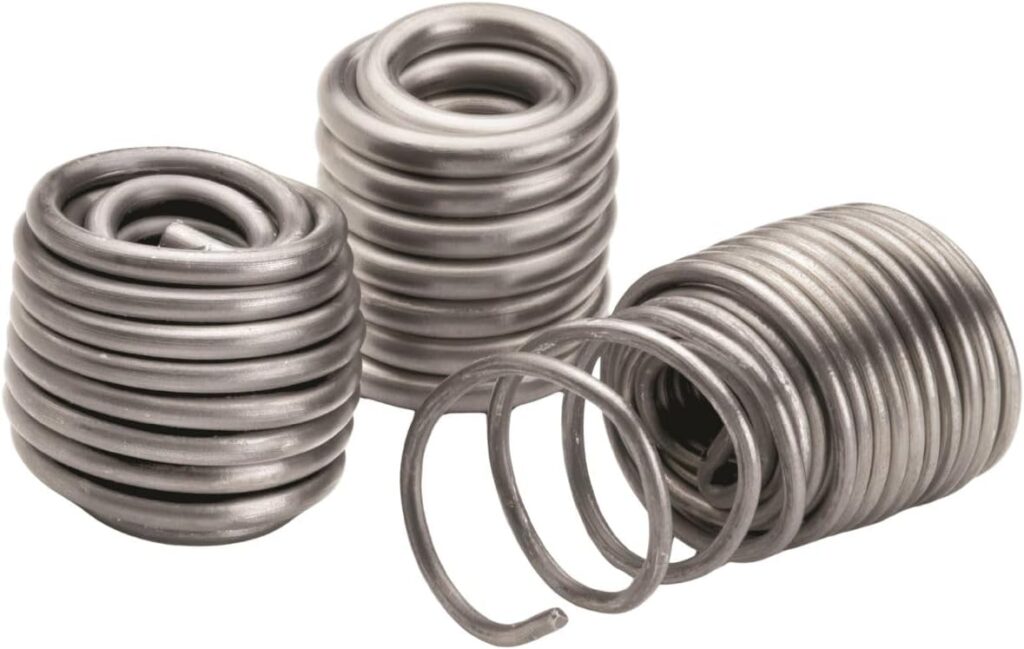
    pencil lead fishing weights used for drift fishing salmon

    Pencil lead weights are commonly used for drift fishing salmon.

    These weights usually come on a spool and can be cut to whatever length you need depending on the current speed.

    Many anglers flatten one end of the lead with pliers and poke a small hole through it so it can be attached to a snap swivel.

    The biggest advantage of pencil lead is that it allows you to quickly adjust the amount of weight when conditions change.

    Why Drift Anglers Like Pencil Lead

    • Easy to adjust weight quickly
    • Great for maintaining bottom contact
    • Simple to attach with snap swivels

    While I primarily use pencil lead for drift fishing, some anglers will also attach it to float rigs using a three-way swivel setup.


    Split Shot Weights

    Split Shot Weights for Drift Fishing Salmon
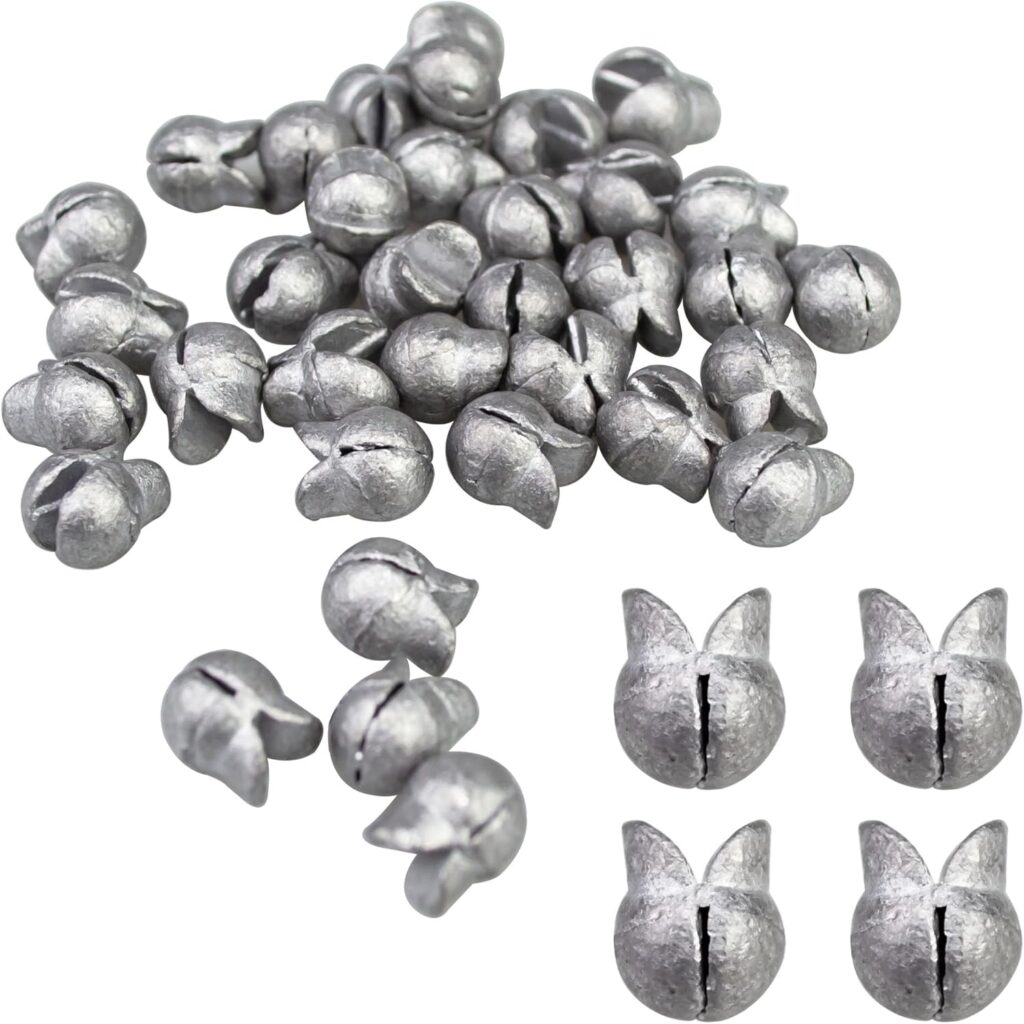
    split shot fishing weights used for salmon drift fishing

    Another option for drift fishing is split shot weights.

    These small round weights clamp directly onto the fishing line using pliers.

    Anglers often stack several split shot together to create the amount of weight needed for the current.

    Pros of Split Shot

    • Easy to add or remove
    • Inexpensive
    • Widely available

    Downsides

    • Can damage line if clamped too hard
    • Not as easy to adjust as pencil lead

    For salmon drift fishing, most anglers eventually prefer pencil lead because it allows faster weight adjustments.


    Plunking Weights for Salmon

    Pyramid Sinkers for Plunking Salmon in Rivers
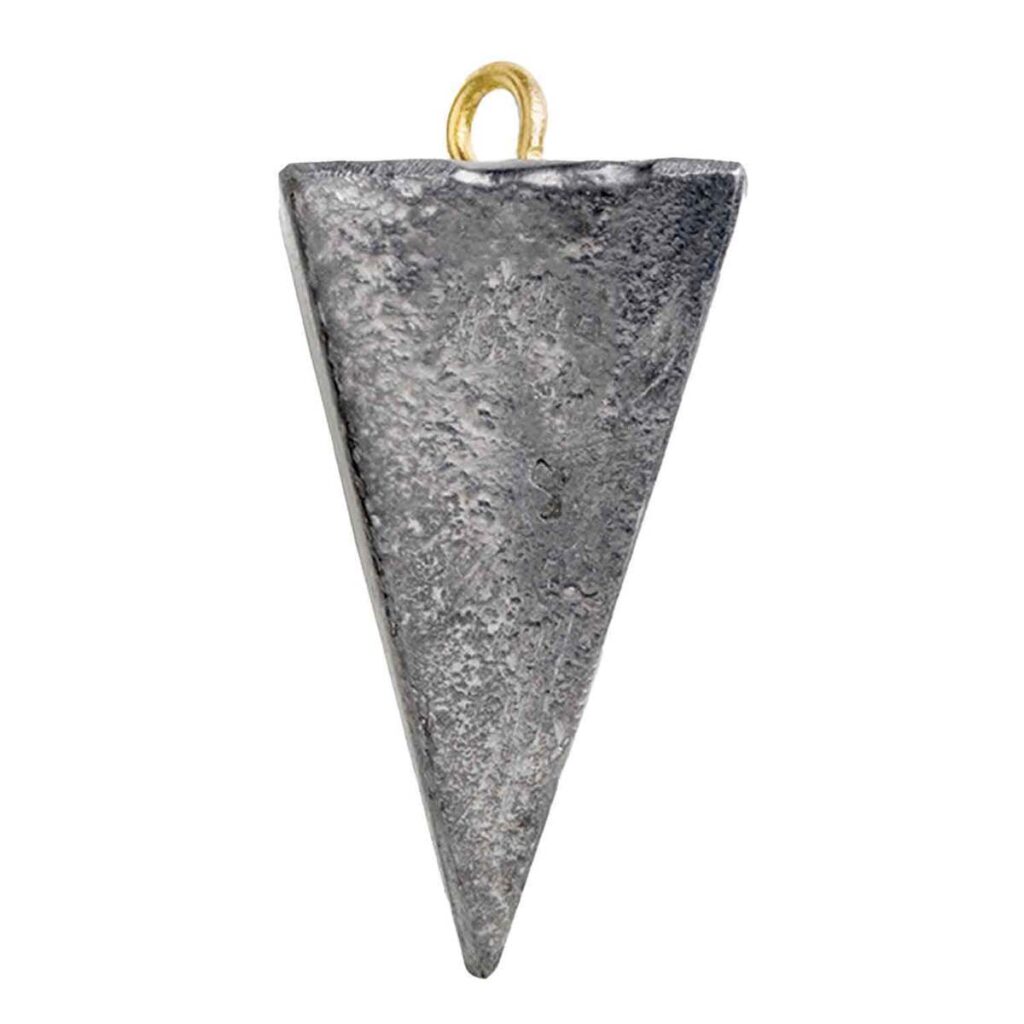
    pyramid sinker weight used for salmon plunking rigs

    Plunking is another effective way to target salmon in rivers, especially from shore in areas with strong current.

    Unlike float fishing or drift fishing, plunking requires heavier weights to hold your bait in one location.

    The two most common plunking weights are:

    • Pyramid weights
    • Cannonball weights

    The exact amount of weight needed depends heavily on the speed of the river.

    In slower current you might only need 1–3 ounces, while stronger current may require 6–10 ounces to keep the rig in place.

    The goal is to use enough weight to:

    • Hold bottom
    • Keep slack out of your line
    • Allow bites to be detected easily

    Plunking setups also benefit from strong scent presentation, especially when fish are moving through quickly.


    Common Salmon Weight Mistakes

    Using the wrong amount of weight can make a big difference in how your presentation behaves in the water.

    Some common mistakes anglers make include:

    Using Too Little Weight

    If your weight is too light, the bait may never reach the strike zone where salmon are holding.

    Using Too Much Weight

    Too much weight can make the presentation look unnatural and cause your rig to drag excessively.

    Not Adjusting for Current Speed

    River conditions change constantly. Adjusting your weight based on water speed and depth can dramatically improve results.


    Final Thoughts

    Choosing the right salmon fishing weight doesn’t have to be complicated.

    For most river anglers, these simple guidelines work well:

    • Sliding egg weights for float fishing
    • Pencil lead or split shot for drift fishing
    • Pyramid or cannonball weights for plunking

    Once you understand how weight affects your presentation, adjusting for river conditions becomes much easier.

    If you’re building your salmon setup from scratch, make sure to also read my guides on:

    These guides walk through the full system used for targeting salmon in rivers.


    Frequently Asked Questions

    What size weight should I use for salmon fishing?

    The weight used for salmon fishing depends on the fishing method and river conditions. Float fishing typically uses weights between 3/4 ounce and 2 ounces, with 1 ounce being the most common setup. Drift fishing often uses adjustable weights like pencil lead or stacked split shot, while plunking setups may require anywhere from 1 ounce to 10 ounces depending on the strength of the current.

    What weight is best for salmon float fishing?

    Sliding egg weights are one of the best options for salmon float fishing because they slide freely on the main line and allow the float to control the depth of the bait. Most anglers use between 3/4 ounce and 2 ounces depending on water depth and current speed, with 1 ounce being a common choice in many river conditions.

    What weights are used for drift fishing salmon?

    Drift fishing for salmon commonly uses pencil lead or split shot weights. Pencil lead is popular because it can be easily adjusted by cutting different lengths depending on the current. Split shot weights can also be added or removed from the line to fine tune the amount of weight needed to maintain bottom contact.

    What weights are used for plunking salmon?

    Plunking for salmon typically uses heavier weights such as pyramid sinkers or cannonball weights. The goal is to use enough weight to hold the bait in place on the bottom while keeping tension in the line so bites are easy to detect. Depending on river current, plunking setups may use anywhere from 1 ounce to 10 ounces of weight.

    Can you use split shot for salmon fishing?

    Yes, split shot weights can be used for salmon fishing, especially when drift fishing in rivers. Anglers often stack several split shot weights on the line to create the right amount of weight for the current. However, many anglers prefer pencil lead because it allows faster adjustments when changing river conditions.

    How much weight should I use for salmon fishing in fast current?

    In fast current, most anglers increase weight to 1.5–2 ounces for float fishing or 6–10 ounces for plunking to keep the bait in the strike zone.
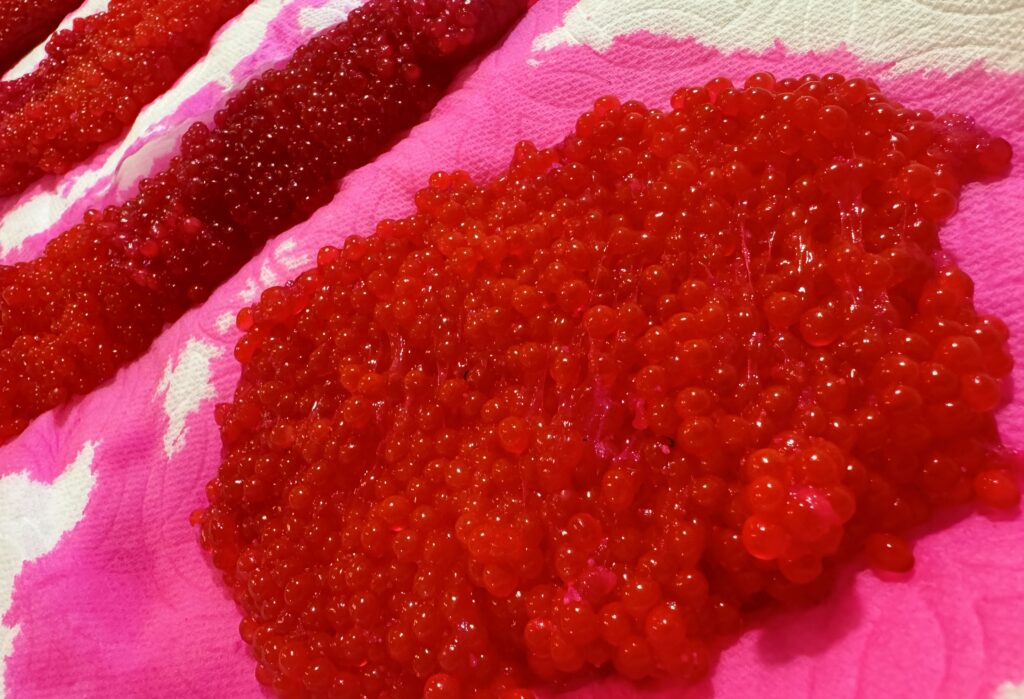
  • Best Salmon Egg Cures for River Fishing (Chinook Guide)

    bright red cured salmon eggs drying on paper towels for river fishing

    Using the best salmon egg cures for river fishing can make the difference between getting bites and going home empty-handed.

    If you’ve spent any real time chasing Chinook in rivers, you already know something:

    👉 There isn’t just one “best” egg cure.

    What works one day might get ignored the next. Water color changes, pressure changes, fish mood changes—and suddenly a cure that was hot yesterday goes cold.

    That’s why the anglers who consistently catch fish don’t just rely on one cure…

    They experiment, mix, tweak, and adjust—especially when dialing in a salmon float rig setup that brings everything together.

    In this guide, I’ll break down:

    • The best salmon egg cures that actually produce
    • When to use each one
    • How to mix cures for better results
    • The scent additives that can make a difference


    What Makes a Good Salmon Egg Cure?

    If you’ve spent time curing eggs, you’ve probably noticed that some batches just fish better than others.

    A good egg cure does three main things:

    • Toughens the eggs so they stay on the hook and hold up better with the right leader line setup
    • Adds color to attract fish in different water conditions
    • Adds scent to trigger bites

    But here’s the reality:

    👉 There’s no single cure that works in every condition.

    Some days fish want bright and aggressive.
    Other days they’ll only touch something more natural.

    That’s why having a few different cures—and knowing when to use them—matters.


    Best Salmon Egg Cures for River Fishing

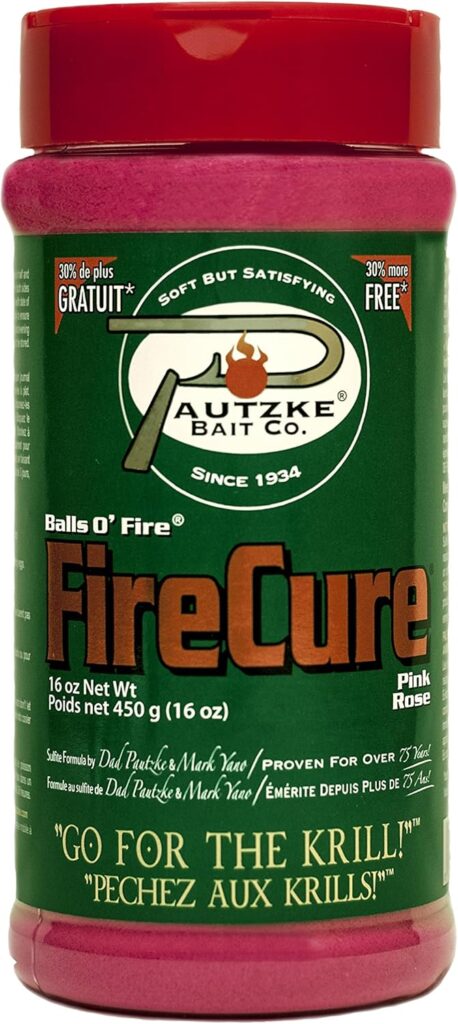
    Pautzke Fire Cure (Pink + Red 50/50 Combo)

    Pautzke Fire Cure salmon egg cure in pink and red for river fishing

    If you’re only running one cure, Fire Cure is hard to beat.

    But where it really shines is when you mix colors.

    A combination I’ve had consistent success with:

    • Pink Fire Cure 50%
    • Red Fire Cure 50%

    Mixing the two gives you a more dynamic color profile that often triggers more bites than running a single color.

    It’s even more effective when paired with a properly balanced terminal tackle setup for salmon fishing.


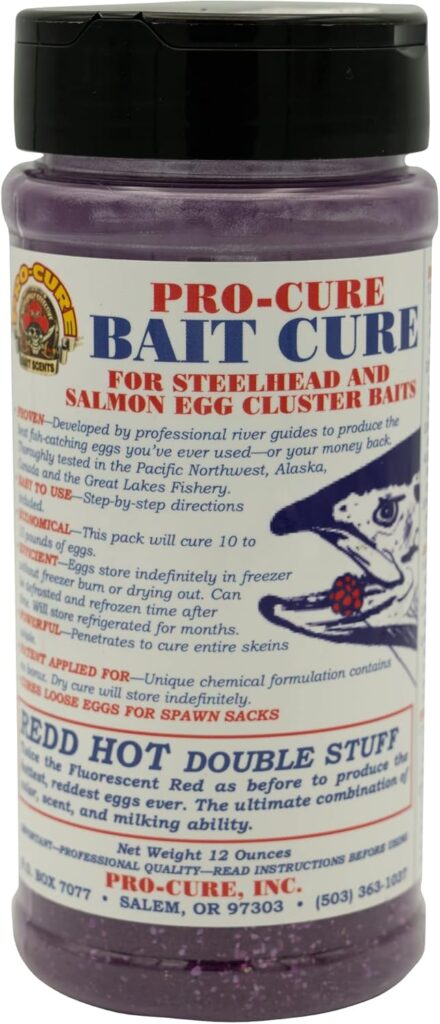
    Pro-Cure Redd Hot Double Stuff

    Pro-Cure Redd Hot Double Stuff salmon egg cure jar for Chinook fishing

    This one has been consistently solid, especially in inland river systems.

    It gives you:

    • strong color
    • strong scent
    • good durability

    If I’m fishing a river that gets a lot of pressure, this is one I trust to still get bit.


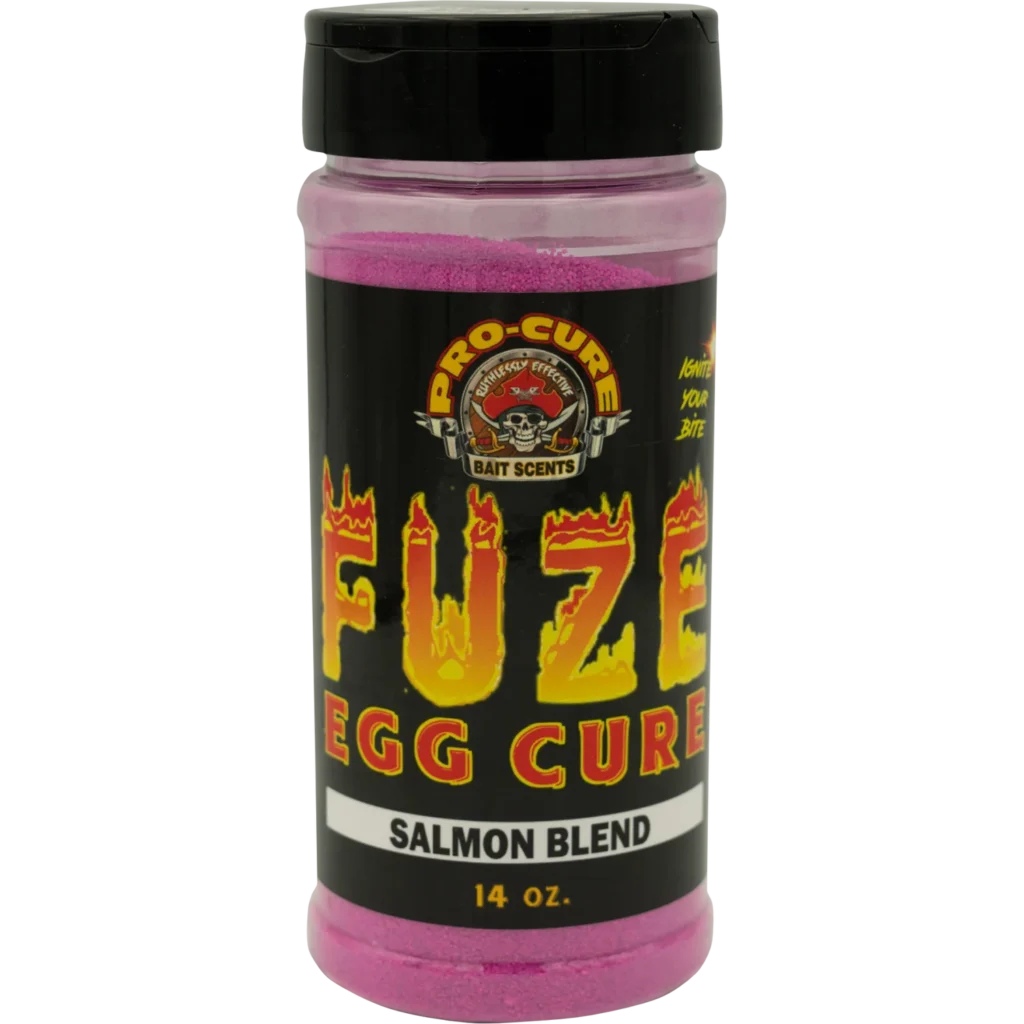
    Pro-Cure Fuze Egg Cure (Salmon Blend)

    Pro-Cure Fuze Egg Cure salmon blend for curing salmon eggs

    This is another solid option from Pro-Cure that’s been around for a long time and consistently produces.

    It’s known for:

    • strong scent profile
    • good color penetration
    • reliable results across different river conditions

    If you’re already a fan of Pro-Cure products, this one is definitely worth having in your rotation.


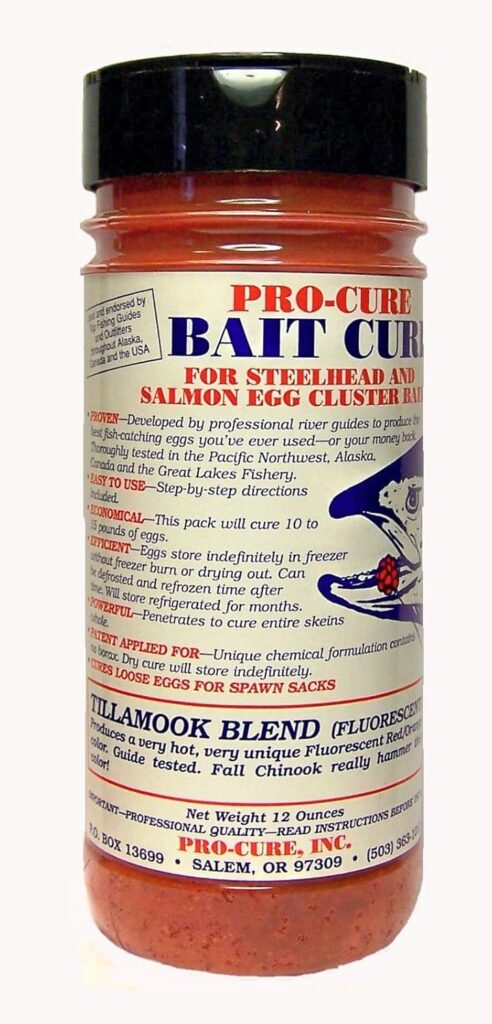
    Pro-Cure Tillamook Blend

    Pro-Cure Tillamook Blend salmon egg cure for coastal river fishing

    When you move into coastal rivers, things change.

    Water conditions are different, and fish tend to respond differently.

    That’s where Tillamook Blend really shines.

    This has been a reliable option when fishing coastal systems where a slightly different scent profile makes a difference.


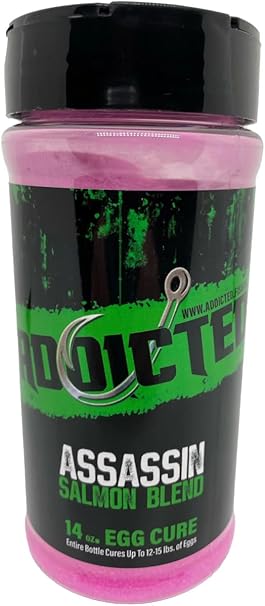
    Addicted Fishing Assassin Salmon Blend

    Addicted Fishing Assassin salmon egg cure blend for river fishing

    This is a great all-around cure that’s built specifically for salmon anglers.

    It offers a solid balance of:

    • color
    • scent
    • egg durability

    If you want something simple, proven, and easy to use, this is a strong option to keep in your rotation.


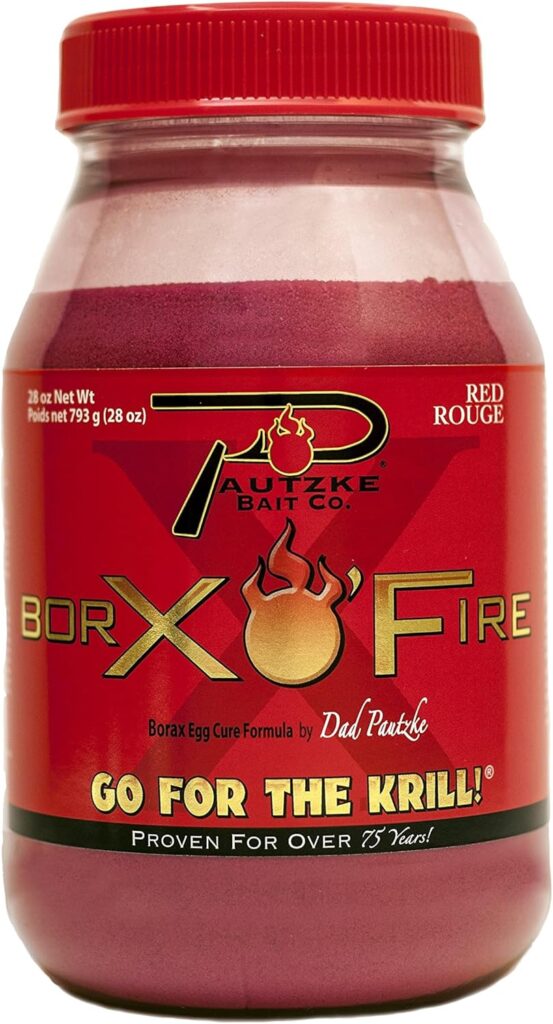
    Pautzke BorX O Fire (For Loose Eggs)

    Pautzke BorX O Fire egg cure for tightening loose salmon eggs

    This one fills a specific but important role.

    When your eggs are loose in the skein, this helps tighten them up.

    It improves:

    • durability
    • hook retention
    • overall fishability

    Not something you always need—but when you do, it makes a big difference.


    Cure Additives That Make a Difference

    This is where a lot of anglers separate themselves.

    Instead of just curing eggs…

    They enhance them—and small adjustments like scent and presentation can make just as much difference as choosing the right braided line for salmon fishing.


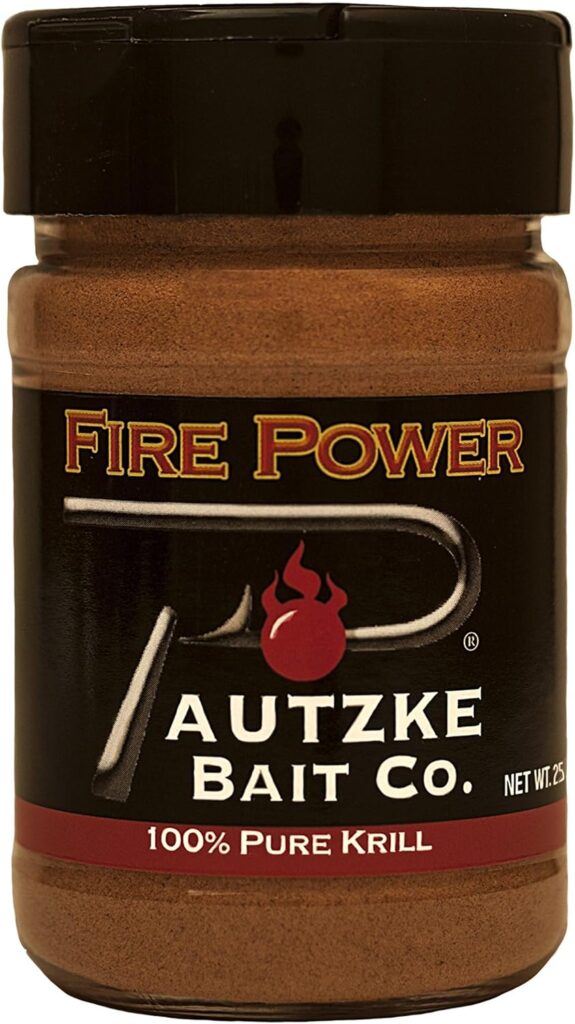
    Pautzke Fire Power (Krill)

    Pautzke Fire Power krill powder additive for salmon egg curing

    If you fish fall Chinook, this one is hard to beat.

    Adding krill during the curing process gives your eggs:

    • a stronger scent trail
    • more attraction in moving water

    Pro-Cure Monster Bite

    Pro-Cure Monster Bite scent additive for salmon fishing bait

    A very well-known scent for a reason.

    It can be added:

    • during curing
    • or right before fishing

    Some anglers prefer adding scent right before fishing to keep it strong in the water.


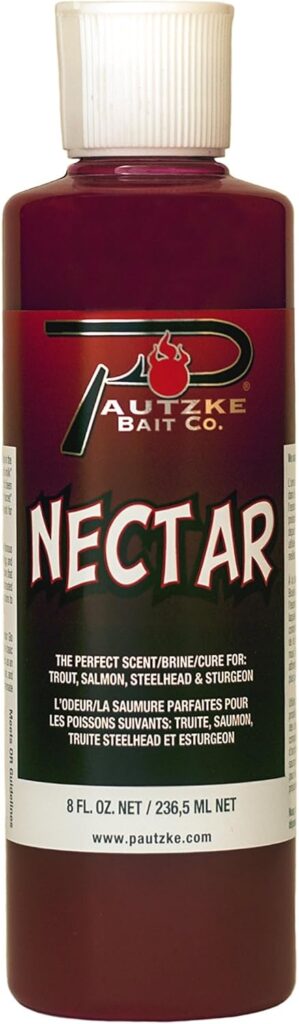
    Pautzke Nectar

    Pautzke Nectar liquid scent additive for cured salmon eggs

    Nectar is one of those additives that consistently produces.

    It adds:

    • scent
    • moisture
    • extra attraction

    Great for giving eggs a little extra boost.


    A Simple Trick: Add Sugar

    This is something a lot of anglers overlook.

    Salmon are known to respond well to sweet-based scents.

    Adding regular white cane sugar to your cure mix—especially when paired with the right hook setup for salmon fishing—can:

    • enhance scent
    • improve bite response

    It’s simple—but it works.


    Final Thoughts: The Best Cure Is the One You Adjust

    If you take one thing from this:

    Don’t rely on just one cure.

    The anglers who consistently catch fish are:

    • mixing cures
    • adjusting color
    • adding scent
    • adapting to conditions

    Some days:

    • bright + strong scent wins

    Other days:

    • subtle and natural gets more bites

    The key is being willing to experiment.

    Once you get your bait dialed, pairing it with a properly tuned salmon float rig setup makes everything work together.


    If you’re dialing in your egg setup, these guides will help:

    👉 Salmon Float Rig Setup (Step-by-Step)
    👉 Terminal Tackle for Salmon Fishing
    👉 Best Leader Line for Chinook Salmon
    👉 Best Braided Line for Salmon Fishing
    👉 Best Hooks for Salmon Fishing


    FAQ

    What is the best egg cure for Chinook salmon?

    There isn’t a single best cure that works every time. Pautzke Fire Cure, Pro-Cure blends, and other proven options all produce, but success usually comes from experimenting with different colors, scent profiles, and additives depending on river conditions.

    Should I mix salmon egg cures?

    Yes. Mixing cures—such as combining pink and red Fire Cure—can create a more effective color and scent profile. Many anglers find that mixing cures helps trigger more bites, especially in pressured water or changing conditions.

    Do scent additives help cured salmon eggs?

    Yes. Scent additives like krill powder, Monster Bite, and other liquid scents can improve attraction and help your bait stand out in moving water. They can make a noticeable difference, especially when fishing for Chinook in rivers.

    When should I add scent to salmon eggs?

    Scent can be added during the curing process or right before fishing. Many anglers prefer adding scent right before fishing so it stays strong and disperses better in the water.

    Why add sugar to salmon egg cures?

    Salmon are known to respond well to sweet-based scents. Adding white cane sugar to your cure mix can enhance the overall scent profile and sometimes increase bite response.

    How long should you cure salmon eggs before fishing?

    Most salmon eggs are cured for 24 to 72 hours, depending on the cure and desired firmness. Longer curing times generally result in tougher eggs that stay on the hook better, while shorter curing times can produce softer, more natural-feeling bait.

  • Best Salmon Floats for River Fishing (Bobbers for Chinook & Steelhead)

    Pacific Northwest river float fishing setup for salmon

    Affiliate Disclosure

    Some of the links on this page are affiliate links. This means if you click through and make a purchase, I may earn a small commission at no extra cost to you.


    Choosing the best salmon floats can make a big difference when float fishing for Chinook and steelhead in rivers. A properly balanced float keeps your bait drifting naturally through the run while holding it at the correct depth in the strike zone.
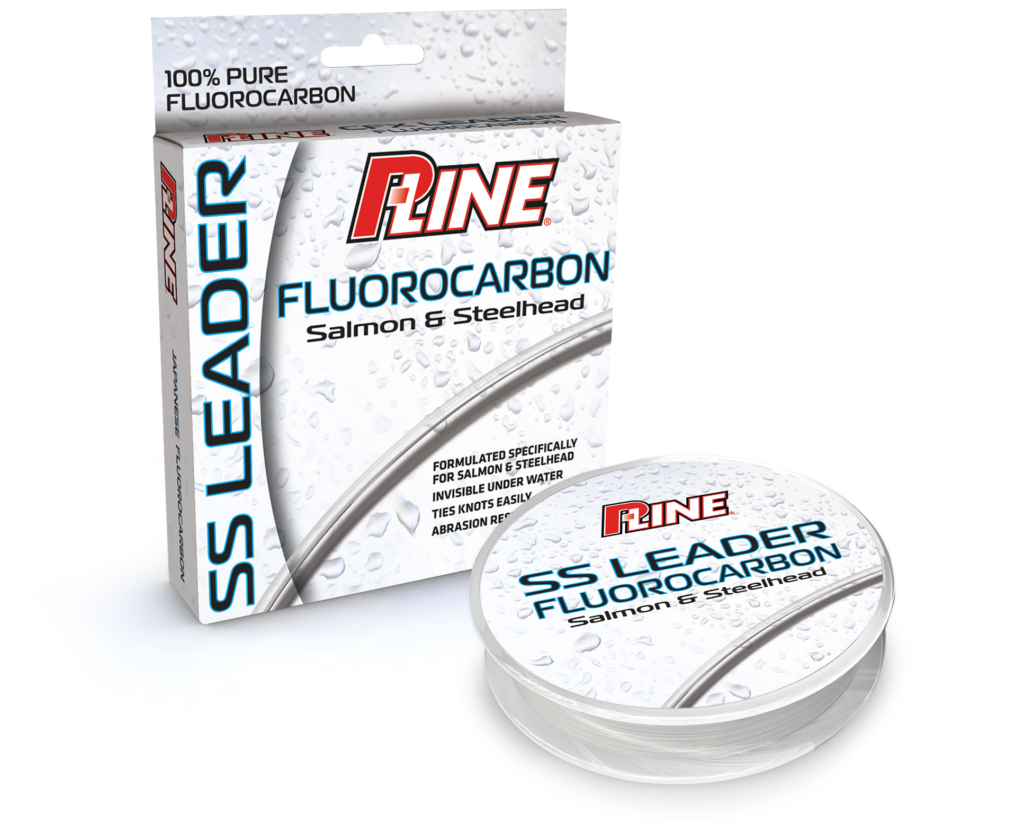
    The floats below are models I’ve personally used while fishing for Chinook in Pacific Northwest rivers like the Clackamas, Sandy, and Wilson. They cast well, track naturally in current, and hold up to repeated use.

    If you’re new to float fishing, you can also check out my full guide to a salmon float rig setup which breaks down exactly how these floats are rigged and fished.


    Why Float Choice Matters for Salmon Fishing

    Choosing the right float helps control three important parts of your presentation:

    • casting distance
    • drift control
    • bait depth

    A well-balanced float allows your bait to drift naturally through the run without dragging or racing ahead of the current.

    Floats also help keep your bait suspended just off the bottom where salmon are typically traveling.

    Floats are an important part of the overall terminal tackle system for salmon fishing, helping control bait depth and drift speed.


    My Go-To Float for Salmon Fishing

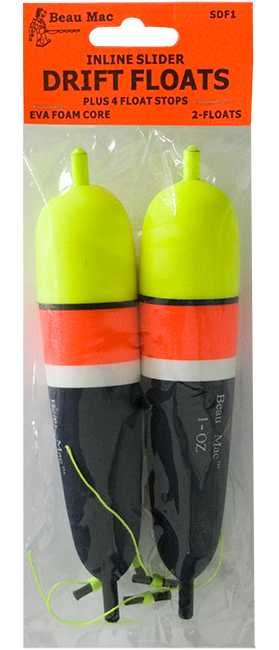
    The Beau Mac Inline Slider Drift Float is the float I personally use most often when fishing for Chinook.

    These floats are made from durable EVA plastic, which gives them a great balance between durability and price. They hold up well to repeated use and don’t crack easily like some cheaper foam floats.

    They also cast extremely well and track naturally in current, helping maintain a smooth drift through salmon holding water.

    Most of the time I match this float to a 1 oz weight setup, but when fishing deeper holes or faster water I’ll move up to floats that can handle 1.5 oz or even 2 oz of weight.


    Best Salmon Floats for River Fishing

    Below are several floats that perform well for salmon float fishing in rivers.

    These options range from budget-friendly floats to more sensitive premium floats.


    Beau Mac Inline Slider Drift Float

    a picture of multicolored fishing floats

    This is one of the most common floats used by salmon anglers in the Pacific Northwest.

    The inline slider design allows the float to slide on your mainline above the weight, making it easy to adjust depth using a bobber stop.

    The durable EVA body makes these floats very reliable, which is one of the reasons I keep coming back to them.


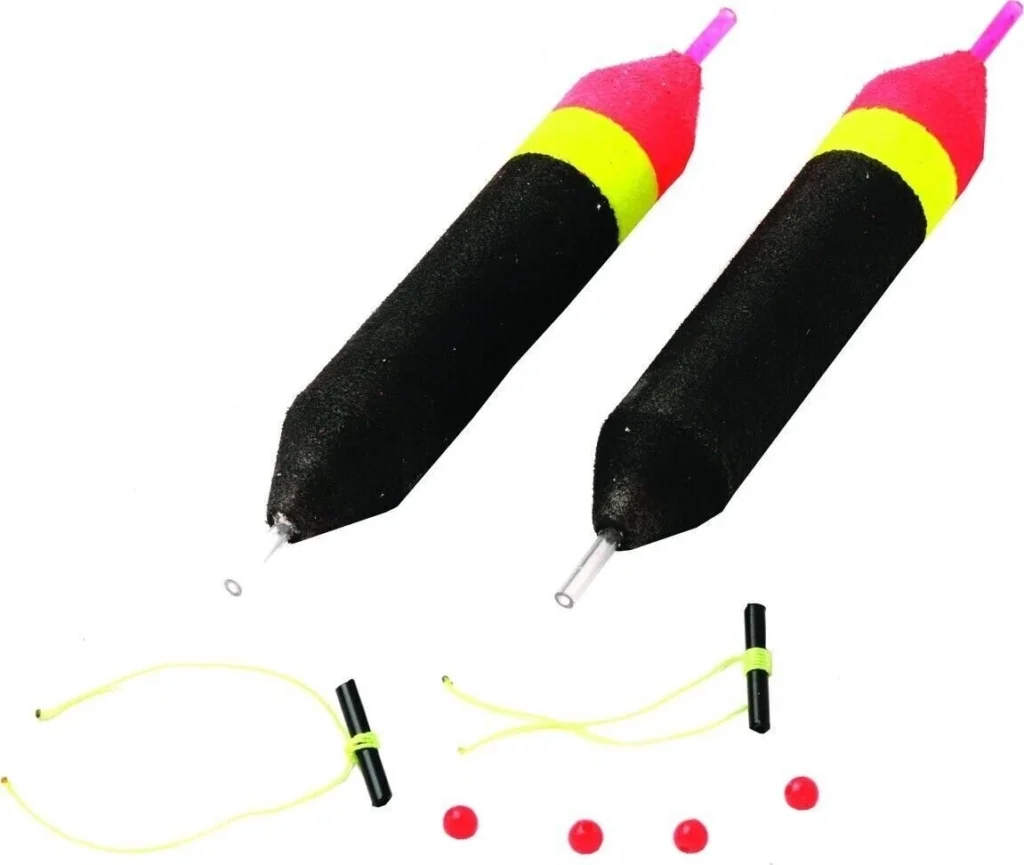
    Pucci Drift Float (Budget Friendly Option)

    a picture of multicolored foam fishing floats with beads and bobber stops

    The Pucci Drift Float is a simple and affordable option that still performs well.

    These floats are widely available in tackle shops and large retailers, and they’re easy to rig with a standard bobber stop setup.

    While they may not be quite as durable as some EVA floats, they still work well for anglers who want a dependable float without spending much money.

    Because floats occasionally get lost in trees or heavy current, it’s always nice to have a few budget floats like these in your tackle box as backups.


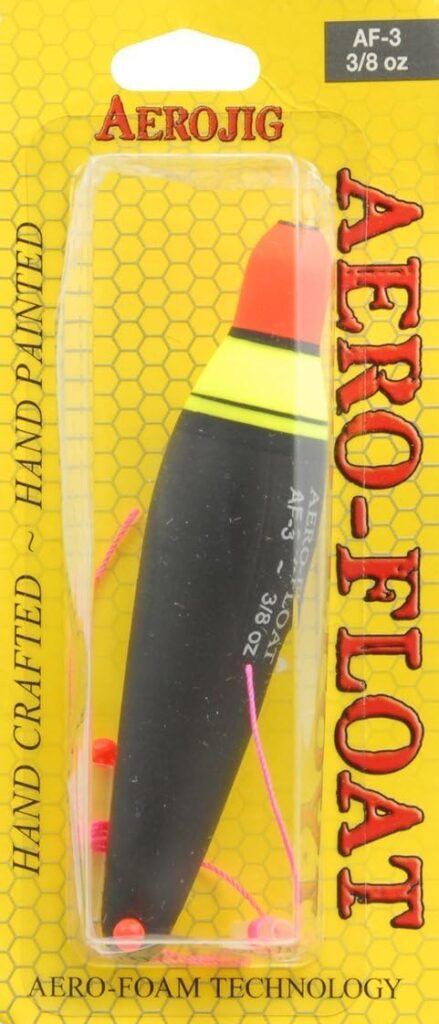
    Hawken Aero-Float AF-3

    a picture of an Aero-Float in its packaging

    The Hawken Aero-Float AF-3 is extremely popular among both salmon and steelhead anglers.

    These floats are designed to cast farther and more accurately than many traditional floats, which makes them ideal for fishing long seams or larger rivers.

    They also track very well in current and handle heavier setups nicely.

    Anglers fishing deeper water often use these floats when running 1.5 oz to 2 oz weight setups.


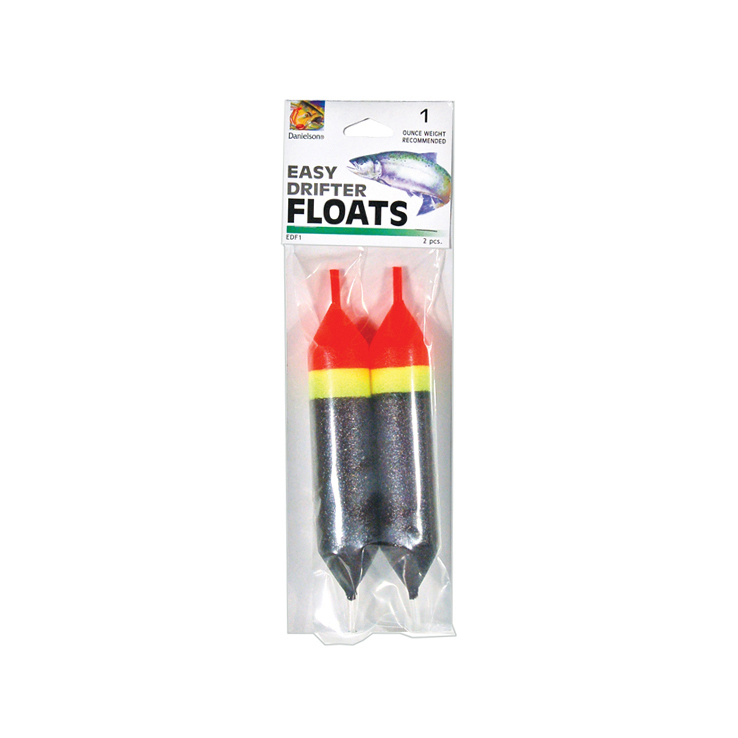
    Danielson Easy Driftr Float

    a picture of Danielson easy drifter floats

    The Danielson Easy Driftr Float is another inexpensive float that still works well for salmon fishing.

    These floats are simple, functional, and widely available.

    They may not be quite as durable as premium floats, but they still get the job done and are a good option for anglers looking for a lower-cost float.

    They’re also a great float to keep as a backup since floats occasionally get lost or damaged while fishing.


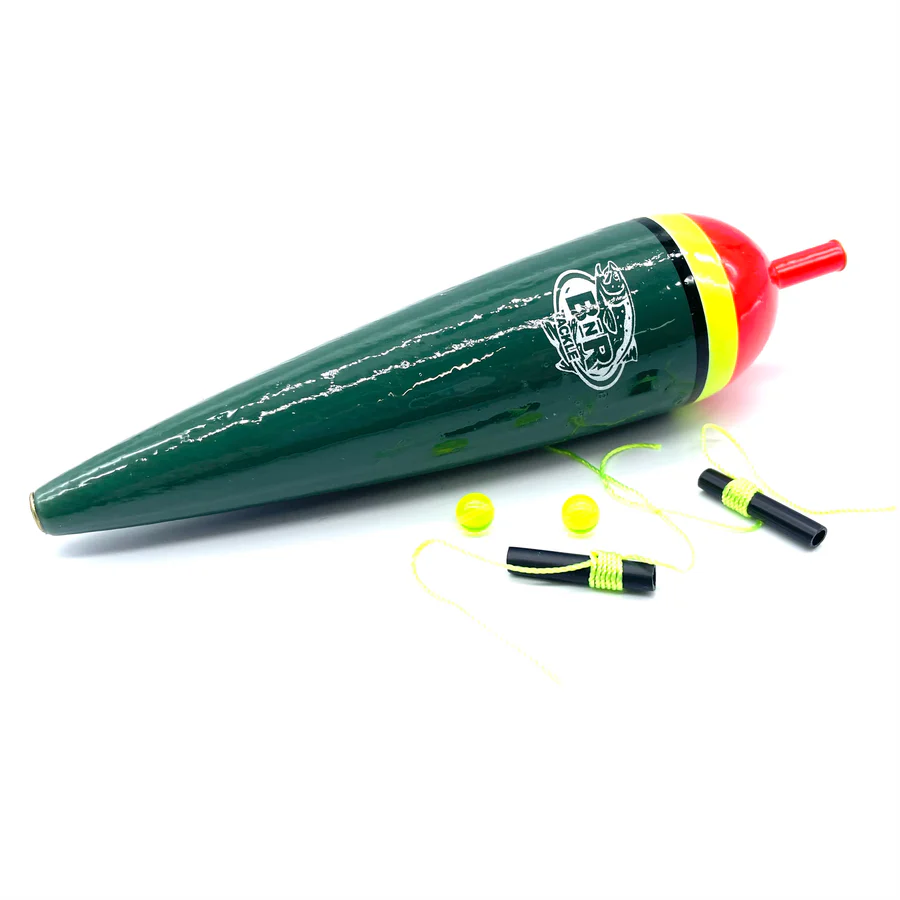
    BnR Tackle Free Slider Balsa Float

    a picture of a BnR tackle balsa wood float

    The BnR Tackle Free Slider Balsa Float is a high-quality float that offers excellent sensitivity without an extreme price tag.

    Balsa floats are known for being very sensitive, which helps detect subtle bites when salmon are lightly mouthing bait.

    These floats drift very naturally in current and respond quickly to small changes in your presentation.

    They can sometimes be harder to find in local tackle shops, but they are usually available online. When I see them available, I typically grab a few to restock my tackle box.
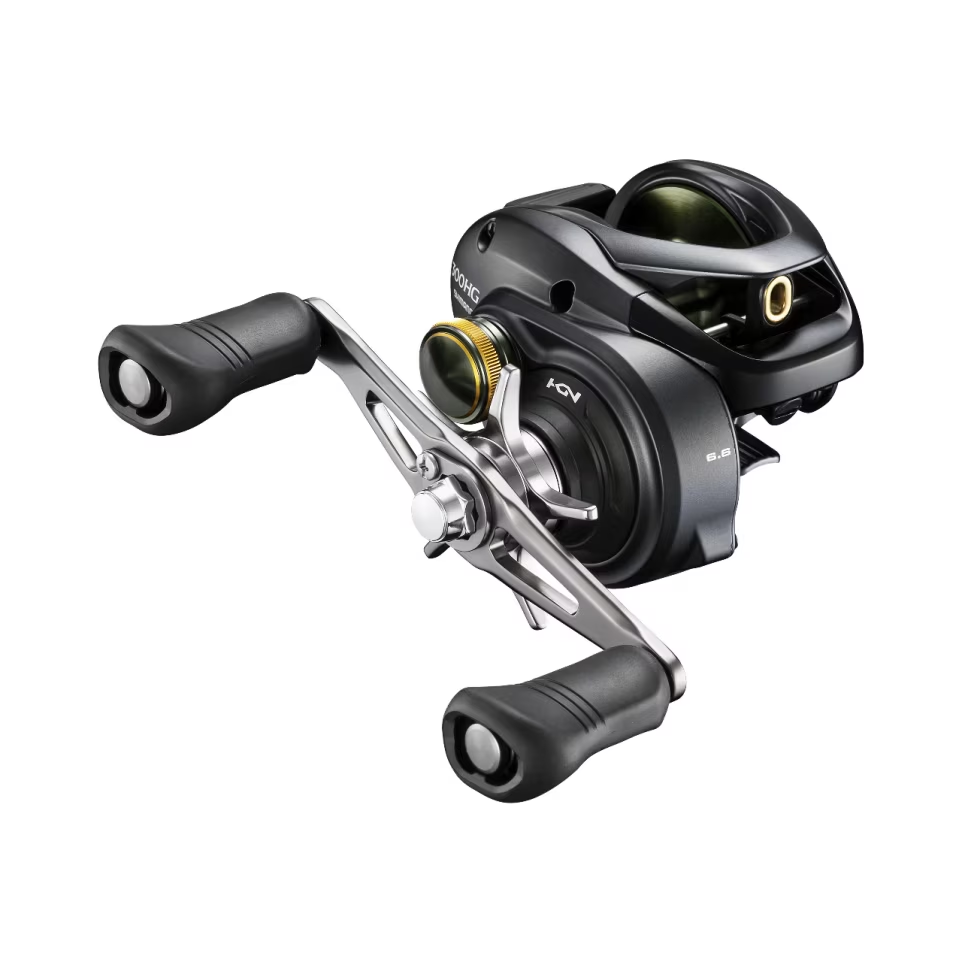

    Salmon Floats vs Salmon Bobbers

    Salmon anglers often use the terms float and bobber interchangeably. In most cases they are referring to the same basic concept: a buoyant indicator that suspends bait at a specific depth while it drifts through the current.

    In the Pacific Northwest, many anglers prefer the term float, especially when talking about inline slider floats used for salmon and steelhead fishing. However, anglers new to the technique often search for salmon bobbers when learning how to rig and fish this style of setup.

    Regardless of what you call them, the goal is the same — keeping your bait drifting naturally through the run while maintaining the correct depth in the water column.

    If you’re new to this technique, you can also see exactly how these floats are rigged in my guide to a salmon float rig setup.


    How I Choose Float Size on the River

    Most of the time I start with a float designed to handle about 1 oz of weight, which works well in many river conditions.

    If the water is deeper or the current is stronger, I’ll move up to floats designed for 1.5 oz or even 2 oz setups.

    Adding more weight helps your bait reach the strike zone faster and improves drift control in faster water.

    The key is making sure your float is balanced with the amount of weight you’re running so the float rides upright and drifts naturally.

    I usually pair my float setup with about three feet of leader line for Chinook salmon depending on water clarity and current speed.


    Inline Floats vs Fixed Floats

    Most salmon anglers prefer inline slider floats because they allow easy depth adjustments.

    Inline floats slide freely on the line until they reach the bobber stop, which makes it simple to change fishing depth throughout the day.

    Fixed floats are simpler but less versatile, which is why inline floats tend to be more popular for salmon fishing.

    If you’re unsure what knot to use for tying your swivel or leader, check out my guide to the best knots for salmon and steelhead fishing.


    Steelhead Floats vs Salmon Floats

    Many of the same floats used for salmon fishing also work very well for steelhead. In fact, many Pacific Northwest anglers use the exact same inline slider floats when targeting both species.

    The main difference is usually the amount of weight being used. Steelhead anglers often fish slightly lighter setups depending on river conditions, while salmon anglers frequently run 1 oz to 2 oz of weight to get bait down quickly.

    Because of this, floats like the Beau Mac Inline Slider, Hawken Aero-Float, and BnR balsa floats are commonly used for both salmon and steelhead fishing.

    If you are already using these floats for salmon, they will work just as well when targeting steelhead in the same rivers.


    Common Mistakes When Choosing Salmon Floats

    Several common mistakes can affect your float fishing success.

    Using floats that are too small

    If the float is too small for the amount of weight you’re using, it may sit too low in the water and become difficult to see.
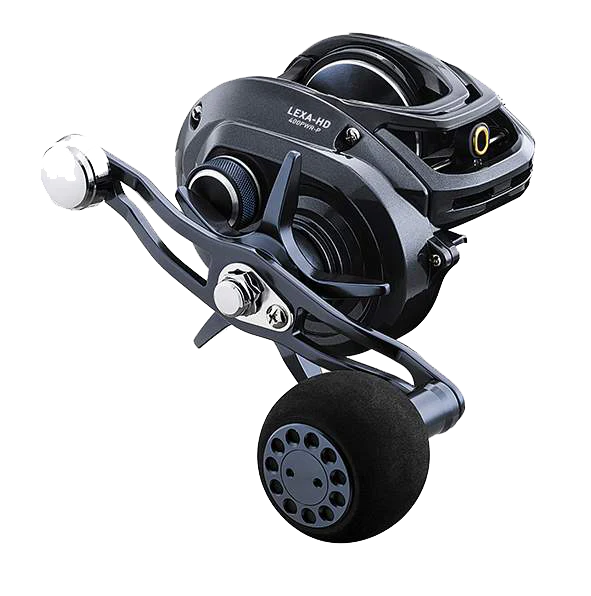
    Choosing cheap foam floats

    Some foam floats break easily or fill with water over time.
    Poor visibility

    Bright colors like orange, chartreuse, or fluorescent pink are much easier to see when drifting long runs.


    FAQ

    What size float should you use for salmon fishing?

    Most salmon anglers match their float to the amount of weight they are fishing. A common setup is a float designed for 1 oz of weight, while deeper or faster water may require floats capable of handling 1.5 oz or even 2 oz.

    Are balsa floats better than plastic floats?

    Balsa floats are usually more sensitive and can make it easier to detect subtle bites. However, plastic or EVA floats are typically more durable and tend to last longer when fishing rocky rivers or areas with heavy current.

    How deep should you fish a salmon float rig?

    A common starting point is fishing your bait about one foot off the bottom. Many anglers find the bottom first by lowering the bobber stop until the rig occasionally scrapes bottom, then adjust the stop slightly shallower.

    Can steelhead floats be used for salmon fishing?

    Yes. Many floats designed for steelhead fishing work perfectly well for salmon as long as they can support the amount of weight you are running.

  • Best Knots for Salmon and Steelhead Fishing (Braid, Fluorocarbon & Bait Setups)

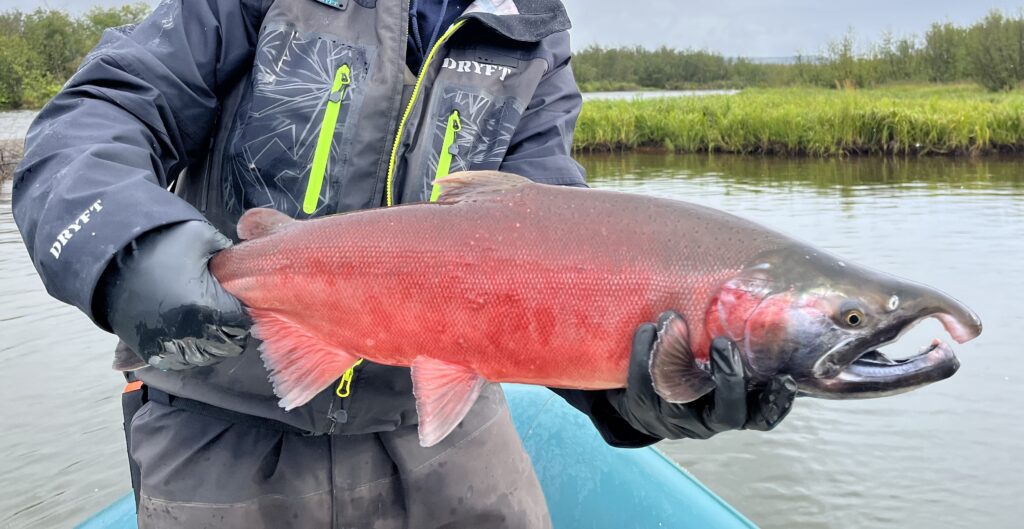
    A fisherman holding a bright red coho salmon

    Affiliate Disclosure
    This post may contain affiliate links. If you purchase through these links, I may earn a commission at no additional cost to you.


    Why Knots Matter More in Salmon and Steelhead Fishing

    Salmon and steelhead fishing put far more stress on knots than most other types of fishing. Heavy current, braided mainline, fluorocarbon leaders, and powerful fish expose weak connections quickly.

    A knot that works fine for trout or bass can fail fast when you’re fishing for salmon or steelhead — especially Chinook and winter steelhead — in moving water. That’s why knot selection matters just as much as choosing the right rod, reel, or line.

    This guide covers the best knots for salmon and steelhead fishing based on real Pacific Northwest river conditions. These aren’t every knot ever created — they’re the knots I actually use and trust when fishing for anadromous fish.


    Quick Knot Cheat Sheet

    • Palomar Knot — Hooks, snaps, and swivels (mono & fluorocarbon)
    • Improved Clinch Knot — Hooks and swivels (mono or softer fluorocarbon)
    • Double Uni Knot — Braided mainline to fluorocarbon leader
    • FG Knot — Braid to fluorocarbon (strongest, but time-consuming)
    • Bait Loop Knot — Fishing eggs or shrimp for salmon and steelhead

    If you learn and tie these knots well, you’ll be covered for nearly every salmon or steelhead fishing setup.


    Palomar Knot (Simple and Strong for Terminal Tackle)

    When to Use It

    The Palomar knot is one of the best knots for salmon and steelhead fishing when tying hooks, snaps, or swivels with mono or fluorocarbon.

    Why It Works for Salmon and Steelhead

    • Excellent knot strength
    • Easy to tie in low light or bad weather
    • Very reliable with fluorocarbon leaders

    When I want a fast, dependable terminal connection for either species, this is usually my first choice.

    Common Mistakes

    • Twisting fluorocarbon before cinching
    • Not wetting the knot before tightening

    🎥 Video Tutorial

    👉 If you want a visual walkthrough, this Palomar knot tutorial shows the tying process clearly.


    Improved Clinch Knot (Common, but Not Always Ideal)

    When to Use It

    The improved clinch knot is familiar to most anglers and still works fine for tying hooks or swivels when using mono or softer fluorocarbon. It’s often seen in lighter steelhead setups.

    Pros and Cons

    Pros

    • Easy to learn
    • Quick to tie

    Cons

    • Can slip with stiff fluorocarbon
    • Not recommended for braided line

    For salmon and steelhead fishing, I treat this knot as acceptable — but not my first choice when maximum knot strength matters.

    🎥 Video Tutorial

    👉 This improved clinch knot tutorial breaks down the steps clearly and is helpful if you’re newer to tying fishing knots.

    Wrap Count Tip for Salmon and Steelhead

    Most improved clinch knot tutorials show 5–6 wraps, which can be fine for lighter freshwater fishing. For salmon and steelhead, I use more wraps to improve knot security.

    • Salmon: I typically use 8–9 wraps
    • Steelhead: I usually use 7–8 wraps

    The heavier leaders, stronger runs, and added stress of river fishing benefit from the extra wraps. More wraps help the knot grip the line better and reduce the chance of slipping, especially when using fluorocarbon.

    If you’re following a tutorial video, don’t be afraid to add a couple of extra wraps to match the demands of salmon or steelhead fishing.


    Double Uni Knot (My Go-To Braid to Fluorocarbon Knot)

    When to Use It

    The double uni knot is the knot I use most often to connect braided mainline directly to a fluorocarbon leader when fishing for salmon or steelhead.

    Why I Prefer It

    • Fast to tie on the river
    • Manageable with cold or wet hands
    • Strong and reliable when tied correctly

    While it’s bulkier than the FG knot, it’s far more practical for real-world river fishing situations, especially when re-tying mid-session.

    Tips for Maximum Strength

    • Use extra wraps with braid
    • Cinch both sides slowly and evenly
    • Trim tag ends clean

    🎥 Video Tutorial

    👉This double uni knot tutorial shows a clean and reliable way to connect braided mainline directly to a fluorocarbon leader.

    Line choice affects knot performance more than most anglers realize.
    👉If you’re still deciding on mainline, I break down the braided lines I trust for salmon fishing here.


    FG Knot (Strongest Option, but Not Always Practical)

    What the FG Knot Does Well

    The FG knot is widely considered the strongest braid-to-leader knot available. Its slim profile passes through guides easily and holds extremely well for both salmon and steelhead.

    Why I Don’t Use It Often

    • Takes longer to tie
    • Difficult to tie mid-session on the river
    • Requires practice to tie consistently

    Many anglers pre-tie FG leaders at home, which is where this knot really shines.

    Who the FG Knot Is Best For

    • Boat anglers
    • Pre-rigged leader setups
    • Anglers willing to practice the knot regularly

    🎥 Video Tutorial

    👉 If you want to learn the proper technique, this FG knot tutorial does a good job showing how to tie it step by step, in the easiest way possible.

    👉 Leader material and stiffness play a big role in how well the FG knot holds, especially under heavy load — here’s a breakdown of the leader lines I trust most.


    Tips for Tying Stronger Knots When Salmon and Steelhead Fishing

    No matter which knot you use, small details make a big difference in how well it holds — especially when fishing braided mainline and fluorocarbon leaders for salmon and steelhead.

    These are a few habits I stick to that noticeably improve knot strength and reliability.

    Always Lubricate the Knot Before Cinching

    I always lubricate my knots before tightening them. Most of the time, that simply means using saliva.

    Lubrication helps the line slide smoothly as the knot cinches down, which:

    • Reduces friction
    • Prevents heat buildup
    • Helps the knot seat evenly

    Dry knots are far more likely to weaken or fail, especially with fluorocarbon.

    Use a Double Loop Wrap for Softer Eggs

    When I’m fishing softer cured eggs, I’ll often run a double loop wrap with the eggs loop knot instead of a single loop.

    Wrapping the loop twice:

    • Holds soft eggs more securely
    • Reduces blowouts after casts
    • Helps keep the bait tight to the hook shank

    This is especially helpful when fishing lighter leaders or when eggs start to soften after sitting in the water for a while.

    If the eggs are firm, a single loop is usually fine. For softer cures, the extra wrap makes a noticeable difference.

    Cinch Knots Slowly and Evenly

    Don’t rush the tightening process.

    Pull the knot down slowly and make sure each wrap seats cleanly. Sudden, hard pulls can cause uneven wraps or damage the line before the knot is fully formed.

    With braid-to-leader knots, I take extra time to ensure both sides tighten evenly.

    Trim Tag Ends Clean and Tight

    After the knot is fully cinched, trim tag ends clean and close.

    Loose or uneven tag ends can:

    • Catch debris
    • Weaken the knot over time
    • Look sloppy and unfinished

    I always give the knot one final pull before trimming to make sure it’s fully seated.

    Retie More Often Than You Think

    Even a perfectly tied knot can weaken after:

    • Fighting a fish
    • Snagging rocks or wood
    • Dragging through heavy current

    If I’ve landed a fish or worked through a rough section of river, I don’t hesitate to retie.


    Egg Loop Knot (Essential for Eggs and Shrimp)

    When You Need It

    If you fish cured eggs or shrimp for salmon or steelhead, the egg loop knot is mandatory.

    Why It Matters

    • Secures bait properly
    • Improves scent release
    • Keeps bait positioned correctly on the hook

    A properly tied egg loop keeps your bait fishing effectively longer for both species.

    Wrap Count for the Eggs Loop Knot (Salmon vs Steelhead)

    When tying an eggs loop knot, the number of wraps around the hook shank matters more than most anglers realize.

    Personally, I use different wrap counts depending on whether I’m fishing for salmon or steelhead.

    • Salmon: I prefer 11–12 wraps
    • Steelhead: I usually use 8–9 wraps

    The additional wraps for salmon do two things. First, they add strength and help the knot hold under heavier pressure. Second, they give me better control when fishing larger baits, which is common when targeting salmon.

    For steelhead, I’m typically fishing smaller egg clusters or lighter presentations, so fewer wraps are plenty and help keep the rig more compact.

    As with most knots, consistency matters more than chasing an exact number — but these ranges have worked well for me across different river conditions.

    Bait Loop Tips

    • Keep the loop size reasonable
    • Position bait snug against the hook shank
    • Give softer eggs a double loop wrap
    • Retie loops once they show wear

    🎥 Video Tutorial

    👉 This egg loop knot tutorial demonstrates how to size the loop correctly for fishing eggs or shrimp.


    Choosing the Right Braid-to-Leader Knot for PNW Rivers

    On paper, the FG knot offers superior strength. In Pacific Northwest river conditions, practicality often matters more — whether you’re targeting salmon or steelhead.

    Cold mornings, fast current, and limited light favor knots that are:

    • Easy to tie correctly
    • Consistent under pressure
    • Reliable over long sessions

    That’s why I default to the double uni knot when fishing braid to fluorocarbon for salmon and steelhead.

    👉 Braid choice plays a bigger role in knot reliability than most anglers realize, especially when you’re tying braid directly to a fluorocarbon leader. I break down the braided lines I trust for salmon fishing here
    👉 Leader stiffness and diameter also affect how well braid-to-leader knots hold under load. This guide covers the leader lines I rely on most for salmon fishing.


    Final Thoughts

    You don’t need a long list of complicated knots to be successful salmon or steelhead fishing. A small group of proven knots, tied carefully and consistently, will outperform complex setups every time.

    Confidence in your knots matters. When a good fish eats, you want to focus on fighting the fish — not worrying about whether your connection will hold.

    Keep it simple. Tie them clean. Trust your setup.

  • Best Leader Line for Chinook Salmon

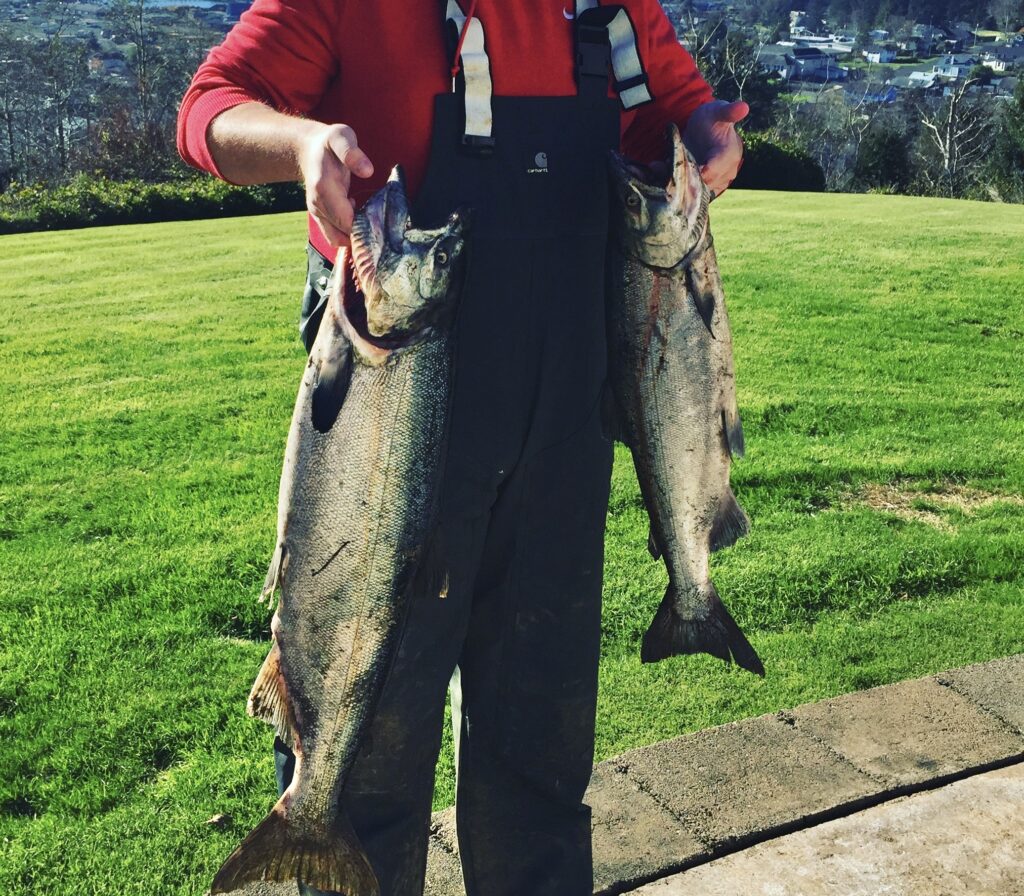
    A fisherman holding up two Chinook salmon

    Affiliate Disclosure
    This post may contain affiliate links. If you purchase through these links, I may earn a commission at no additional cost to you.

    When I’m fishing for Chinook salmon on Pacific Northwest rivers, I almost always run braided main line, but I rarely ever tie directly to it. The leader is where I control abrasion resistance, visibility, and how my presentation behaves in the water. Choosing the right leader line matters just as much as your rod or reel, especially when you’re dealing with big fish, heavy current, and rocky river bottoms.

    How you connect that leader to braided main line is just as important — this guide breaks down the knots I trust for salmon and steelhead fishing.

    For my style of Chinook fishing, fluorocarbon is the go-to leader material. It’s tougher around structure, sinks better, and gives me more confidence in clear water than mono. Below is a breakdown of the best leader lines for Chinook salmon, including the ones I personally buy and fish, when colored line makes sense, and why running a leader is almost always better than tying straight to braid.


    Quick Answer: Best Leader Line for Chinook Salmon

    For most river-fished Chinook salmon, a fluorocarbon leader in the 20–30 lb range is the best all-around choice. This range provides plenty of strength for landing big fish while maintaining good abrasion resistance, a faster sink rate than mono, and lower visibility in clear water. Running a leader also protects your braided main line and helps prevent losing expensive terminal gear during break-offs

    🎯 Quick Picks

    🟢 Best Overall: Seaguar STS Salmon Fluorocarbon
    🟢 Best Value: P-Line Salmon & Steelhead Select
    🟢 Most Abrasion Resistant: Seaguar Blue Label
    🟢 Easy to Find: Bass Pro Shops XPS KVD
    🟢 Best Colored Option: SpiderWire Stealth / Berkley Trilene (Moss Green)


    Best Fluorocarbon Leader Lines for Chinook Salmon

    These are the fluorocarbon leader lines I trust and use for Chinook fishing, starting with the two I personally buy most often.


    Seaguar STS Salmon Fluorocarbon (Personal Favorite)

    Seaguar STS Salmon Fluorocarbon fishing line spool

    Seaguar STS Salmon Fluorocarbon is one of my go-to leader materials for Chinook. It’s designed specifically for salmon applications, and it shows. The line is tough around rocks and structure, holds knots well, and has a consistent diameter that inspires confidence when you’re fighting heavy fish in current.

    I use this line for:

    • Drift fishing
    • Bobber setups
    • Clear to moderately colored water

    If I had to recommend one fluorocarbon leader for Chinook to most anglers, this would be it.


    P-Line Salmon & Steelhead Select Fluorocarbon (Personal Favorite)

    P-Line SS fluorocarbon fishing line spool

    P-Line Salmon & Steelhead Select is another leader line I fish regularly. It’s built with salmon and steelhead fishing in mind and strikes a great balance between durability and manageability. It’s strong without being overly stiff, and it performs well across a wide range of river conditions.

    This is a solid choice when you want a reliable fluorocarbon leader that doesn’t require overthinking.


    Bass Pro Shops XPS KVD Signature Series Fluorocarbon

    Bass Pro Shops XPS KVD fishing line spool

    The Bass Pro Shops XPS KVD Signature Series Fluorocarbon is a good, widely available option. It’s consistent, reasonably abrasion resistant, and easy to find when you need leader material quickly. While it’s not marketed specifically for salmon, it performs well as a Chinook leader line.

    This is a good value pick, especially if you’re buying leader material locally.


    Seaguar Blue Label Fluorocarbon

    Seaguar Blue Label fluorocarbon fishing line spool

    Seaguar Blue Label is known for its toughness. It’s stiffer than STS, but that stiffness comes with excellent abrasion resistance. This makes it a good choice for plug fishing, heavy structure, or situations where leader durability matters more than finesse.

    If you’re fishing around sharp rocks or wood and want maximum toughness, Blue Label is worth considering.


    SpiderWire Stealth or Berkley Trilene Fluorocarbon (Moss Green)

    Spider Wires Stealth Fluorocarbon fishing line spool

    Both SpiderWire and Berkley offer fluorocarbon leader lines in moss green, which opens the door for a discussion about colored leader material. These lines are reliable and perform well, especially in slightly stained water or rivers with vegetation.

    While I personally default to clear fluorocarbon, moss green can make sense in the right conditions.


    Clear vs Colored Fluorocarbon Leader Line

    Why I Prefer Clear Fluorocarbon

    Clear fluorocarbon is my default choice for Chinook fishing because:

    • It’s less visible in clear water
    • It gives me confidence when fish are pressured
    • It blends naturally in most river conditions

    In low, clear water — especially during spring Chinook season — line visibility can matter. Clear fluorocarbon helps eliminate one more variable.

    When Colored Fluorocarbon Makes Sense

    Colored fluorocarbon, like moss green, isn’t bad — it’s situational. It can be useful when:

    • Water has some color
    • There’s vegetation in the river
    • You want better line visibility for yourself

    In those cases, the reduced visibility to the angler is often offset by conditions where fish are less line-shy.


    Why Fluorocarbon Is the Preferred Chinook Leader

    Abrasion Resistance

    Chinook live in places that destroy weak leader material — rocks, wood, and heavy current seams. Fluorocarbon holds up far better than mono in these conditions.

    Faster Sink Rate

    Fluorocarbon sinks faster than monofilament, which helps:

    • Keep drift rigs down
    • Maintain better bobber control
    • Get presentations into the travel lane where Chinook move

    Knot Strength

    Modern fluorocarbon, especially from manufacturers like Seaguar and P-Line, has excellent knot strength when tied properly. Once cinched down correctly, it’s extremely reliable.

    Lower Visibility

    Fluorocarbon’s refractive index is closer to water than mono, making it harder for fish to see — especially in clear conditions.


    Why We Use a Leader Instead of Tying Directly to Braid

    I run braided fishing line for Chinook salmon as my main line on most setups, but tying directly to braid creates problems.

    First, braid has very poor abrasion resistance. One bad rub on rocks or structure can end your day. Second, if you break off while tied straight to braid, you risk losing expensive gear — floats, sliders, and terminal tackle that is attached to your main line.

    By running a leader:

    • Break-offs usually happen at the leader
    • You lose only what’s attached to the leader
    • Your main line and expensive components stay intact

    Leaders also make it easy to:

    • Change pound test
    • Adjust length
    • Adapt to changing water conditions without respooling


    What Pound Leader Should You Use for Chinook Salmon?

    For river fishing from the bank, I keep my leader strength lighter than many generic salmon guides suggest. I’m not fishing offshore or trolling heavy gear — I’m fishing rivers where presentation and control matter more than brute strength.

    Here’s how I realistically approach leader strength:

    • 20 lb – The lightest I’ll go. This is reserved for very clear water and finesse situations where stealth matters most.
    • 25 lb – My most commonly used leader strength. This is where I “live” for most Chinook river fishing. It offers a great balance of strength, abrasion resistance, and presentation.
    • 30 lb – A popular choice for many anglers and still perfectly reasonable for river fishing, especially around slightly heavier structure or when extra confidence is needed.

    Anything above 30 lb for bank fishing in rivers is a niche situation in my experience. Heavier leader can make sense in very specific scenarios, but it’s not something I run regularly, and it’s rarely necessary for most Chinook river setups.

    Lighter leaders pair better with responsive setups, while heavier leaders are more forgiving when fishing around structure with casting reels for Chinook salmon.

    Most of my Chinook fishing is done with 25 lb fluorocarbon, adjusting lighter or heavier only when conditions clearly call for it.

    Frequently Asked Questions


    What is the best leader line for Chinook salmon?

    For river-fished Chinook salmon, a fluorocarbon leader is the best choice. Fluorocarbon offers better abrasion resistance, a faster sink rate, and lower visibility than mono, making it well suited for Pacific Northwest rivers.

    Fluorocarbon or monofilament leader for Chinook salmon?

    Fluorocarbon is my preferred leader material for most Chinook fishing because it’s tougher around rocks, sinks better, and is harder for fish to see. Monofilament can still have a place in niche situations, but fluorocarbon is the better all-around option.

    What pound leader should I use for Chinook salmon?

    For bank fishing in rivers, 20–30 lb fluorocarbon covers most Chinook situations. I rarely go lighter than 20 lb, and 25 lb is my most commonly used strength. Anything above 30 lb is usually a niche situation for river fishing.

    Should I tie directly to braid when salmon fishing?

    No. Tying directly to braid increases break-offs and can cause you to lose expensive terminal gear. Running a leader protects your braided main line and ensures that if something breaks, it’s usually the leader—not your entire setup.

    Is colored fluorocarbon leader bad for salmon fishing?

    No. Colored fluorocarbon, such as moss green, can work well in slightly stained water or around vegetation. In clear water, however, clear fluorocarbon is usually the better choice for reducing line visibility.

    How long should a Chinook salmon leader be?

    Most Chinook leaders fall in the 3-foot range, depending on technique and conditions. Shorter leaders offer better control, while longer leaders can help in clear or pressured water.

  • Best Braided Fishing Line for Chinook Salmon (River Fishing)

    Affiliate Disclosure
    This post may contain affiliate links. If you purchase through these links, I may earn a commission at no additional cost to you.

    Braided line has become the standard for Chinook salmon fishing in Pacific Northwest rivers because it offers superior sensitivity, strength, and line control in heavy current. Whether you’re drifting, pulling plugs, or twitching jigs, braid makes it easier to manage long drifts and detect subtle bites. In most river setups, braid is best paired with a leader line for Chinook salmon to handle abrasion, visibility, and break-offs around rocks and structure.

    One thing anglers quickly notice when shopping for braid is the huge range of color options available, everything from low-visibility greens and grays to high-visibility yellows, oranges, and other neon colors. While line color doesn’t matter in the way many anglers think, it does affect visibility, line control, and confidence on the water.

    This guide focuses specifically on choosing braided fishing line for Chinook salmon based on real river fishing conditions in the Pacific Northwest, not marketing claims.


    Fishing for Chinook salmon in a Pacific Northwest river using a rod, reel, and high-visibility braided line

    Quick Picks: Best Braided Line for Chinook Salmon

    • 🏆 Best Overall Braid for Chinook: Addicted Fishing Neon Orange Braid (65 lb)
    • 🎣 Best Braid for Float Fishing & Line Mending: Addicted Fishing Neon Orange Braid
    • 💪 Best All-Purpose Braid: PowerPro Spectra Fiber Braided Line
    • 🪨 Best Braid for Abrasion Resistance: Sufix 832 Advanced Superline
    • 💸 Best Amazon-Available Braid: KastKing SuperPower Braided Fishing Line


    Best Braided Fishing Lines for Chinook Salmon


    Tuf Line ADX Enforcer 8X Hi-Vis Orange (65 lb)

    Best overall braided line for Chinook salmon fishing

    Tuf Line ADX Enforcer 8X Hi-Vis Orange fishing line spool

    This is a standout option for anglers who prioritize visibility and line control, especially when float fishing. Running 65 lb braid helps the line sit higher on the water, making it easier to mend and manage long drifts in heavy current. The neon orange color is extremely easy to see, even in low light or choppy water.

    Pros

    • ✔ Excellent visibility for line control
    • ✔ Floats high for easier mending
    • ✔ Strong and reliable for big Chinook

    Cons

    • ⚠ Heavier feel than low-diameter braids
    • ⚠ Not a stealth color (leader recommended)

    PowerPro Spectra Fiber Braided Line

    Best all-purpose braid for Chinook salmon

    PowerPro Spectra Fiber braided fishing line spool

    PowerPro is a proven option that balances strength, diameter, and sensitivity. It handles well on both spinning and casting reels and is available in multiple pound tests and colors.

    Pros

    • ✔ Excellent sensitivity
    • ✔ Strong for its diameter
    • ✔ Widely available

    Cons

    • ⚠ Color availability varies by strength
    • ⚠ Not the most abrasion-resistant braid available

    Sufix 832 Advanced Superline

    Best braid for abrasion resistance

    Sufix 832 Advanced Superline braided fishing line spool

    Sufix 832 is built for durability in rocky, snag-filled rivers. Its multi-fiber construction helps it hold up better around structure where Chinook often run.

    Pros

    • ✔ Very abrasion resistant
    • ✔ Strong knot performance
    • ✔ Reliable under heavy load

    Cons

    • ⚠ Slightly stiffer feel
    • ⚠ Higher price point than basic braids

    KastKing SuperPower Braided Fishing Line

    Best Amazon-Available Braid for Chinook Salmon

    KastKing SuperPower Braided Fishing Line

    KastKing’s SuperPower braid is a solid choice when you want reliable performance from Amazon. Available in multiple pound tests (40–65 lb) and colors, this line balances strength, smooth casting, and abrasion resistance for Pacific Northwest river fishing. Whether you’re drifting, plugging, or jigging, it performs well without breaking the bank.

    Pros

    • ✔ Smooth casting and handling
    • ✔ Great value for strength
    • ✔ Available in multiple colors and lb tests

    Cons

    • ⚠ Slightly more stretch than ultra-premium braids
    • ⚠ Not as abrasion-resistant as highest-end options

    Spiderwire Stealth Smooth

    Best smooth-handling budget braid

    Spiderwire Stealth Smooth fishing line spool

    Spiderwire Stealth Smooth offers consistent diameter and smooth casting at a reasonable price. It’s a good choice for anglers who want reliable braid without paying premium pricing.

    Pros

    • ✔ Smooth casting
    • ✔ Budget friendly
    • ✔ Consistent strength

    Cons

    • ⚠ Lower abrasion resistance than premium lines
    • ⚠ Limited high-visibility colors


    What to Look for in Braided Line for Chinook Salmon

    Pound Test Matters More Than You Think

    For Chinook salmon, braid in the 40–65 lb range is far more practical than lighter options. Heavy current, structure, and powerful fish demand strength and control.

    Heavier braid:

    • Floats better
    • Mends more easily
    • Reduces break-offs
    • Holds up longer over a full season

    Many float fishermen prefer 65 lb braid specifically because it sits on top of the water and improves line control.


    Diameter vs Strength

    While braid is thin for its strength, ultra-thin braid can:

    • Dig into the spool
    • Be harder to control in fast current

    A slightly thicker braid often performs better for Chinook river fishing.


    Abrasion Resistance

    Rocks, wood, and bridge pilings wear line quickly. Some slick braids cast well but fray faster. Abrasion resistance is critical when fishing Chinook in Pacific Northwest rivers.


    Braid Color: High-Vis vs Stealth

    Braid color affects line management, not fish behavior.

    • High-vis colors help track drifts and mend line
    • Low-vis colors appeal to anglers who prefer subtle setups

    Using a leader matters far more than braid color.


    BrBraid vs Mono vs Fluorocarbon for Chinook

    Braid works best as a mainline for Chinook salmon fishing. Most anglers pair it with:

    • Fluorocarbon leaders for abrasion resistance
    • Monofilament leaders for a bit of added stretch

    This setup offers the best balance of control, strength, and versatility when fishing Pacific Northwest rivers.

    How you connect braided mainline to a leader matters just as much as the line itself. This guide covers the knots I rely on for salmon and steelhead fishing.

    Reel choice also plays a major role in how braided line performs. Spool size, drag strength, and line management all affect casting, mending, and fighting big Chinook. If you’re building a balanced setup, see our guides on best casting reels for Chinook salmon fishing and best spinning reels for Chinook salmon fishing to dial everything in correctly.


    Frequently Asked Questions

    What pound test braid is best for Chinook salmon?

    Most anglers use braided line in the 40–65 lb range for Chinook salmon fishing. Heavier braid floats better, mends easier in current, and holds up better around rocks and structure commonly found in Pacific Northwest rivers.

    Is braided line too visible for salmon?

    No. Braid visibility does not significantly affect Chinook salmon when a proper leader is used. Leader choice and presentation matter far more than braid color.

    Should I use a leader with braided line?

    Yes. Most anglers pair braided mainline with a fluorocarbon or monofilament leader to improve abrasion resistance and presentation while keeping the benefits of braid.

    Does braided line damage rod guides?

    Modern fishing rods are designed to handle braided line without issue. As long as your guides are in good condition, braid will not damage them.