Category: Salmon Fishing Techniques

Guides and techniques for salmon fishing in rivers, including float rigs, reading water, bait presentation, and positioning to catch more fish from the bank.

  • Best Time to Fish for Chinook Salmon in Rivers (PNW Guide)

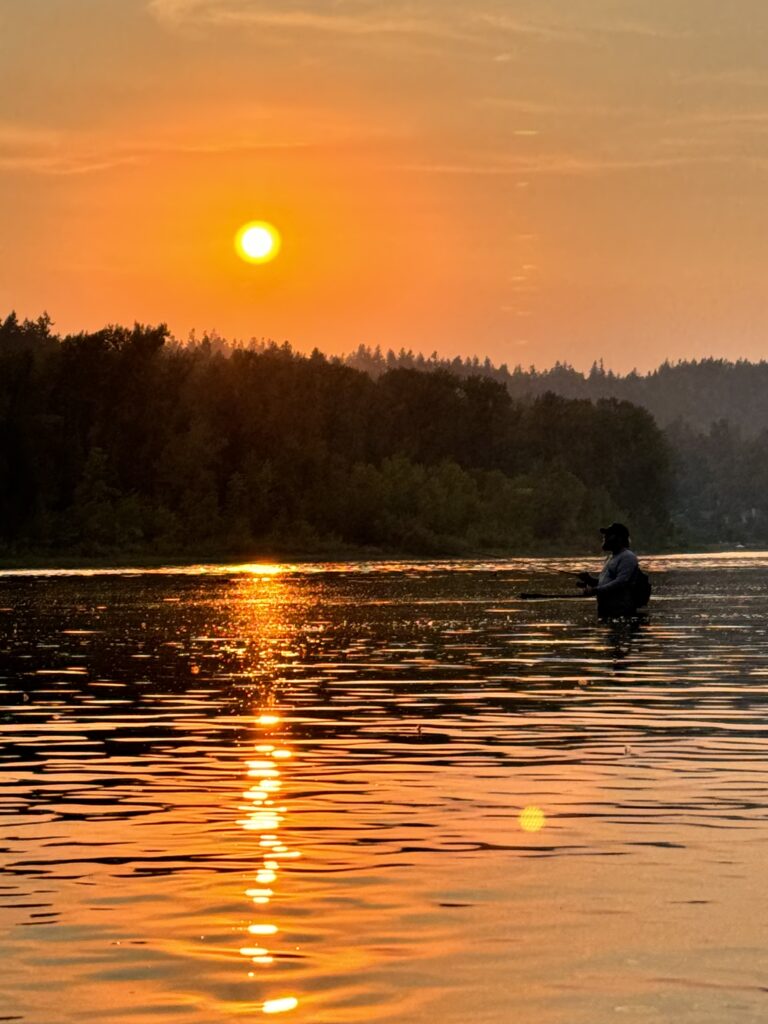
    angler fishing for chinook salmon in river at sunrise

    Disclosure: This post may contain affiliate links. If you purchase through these links, I may earn a small commission at no extra cost to you. I only recommend gear I trust and actually use in my own fishing.

    When it comes to Chinook salmon fishing, timing matters just as much as your setup. You can have the perfect rod, the right bait, and a dialed-in rig—but if you’re fishing at the wrong time or in poor conditions, you’re going to struggle.

    If you’re trying to figure out the best time to fish for Chinook salmon in rivers, the truth is it’s not just about the calendar. It’s about understanding how time of day, river conditions, and seasonal patterns all come together.

    From my experience fishing rivers here in the Pacific Northwest, the biggest difference between a slow day and a productive one almost always comes down to when you’re on the water.

    Choosing the right bait during these windows can also make a big difference—especially when you’re using proven options for Chinook.


    Best Time to Fish for Chinook Salmon (Quick Answer)

    • Best time of day: Early morning (first light)
    • Second best: Evening (low light)
    • Best conditions: Slightly colored water with stable or dropping flows
    • Best weather: Overcast or light rain
    • Tough conditions: Bright sun, clear water, high pressure


    Best Time of Day to Fish for Chinook Salmon

    Understanding the best time to fish for Chinook salmon in rivers comes down to a few key factors that consistently affect fish behavior.

    If there’s one thing that consistently makes a difference, it’s fishing during low-light conditions.


    Where Fish Hold During Different Times of Day

    Where Chinook salmon hold in the river can change depending on light conditions and time of day.

    In low-light conditions like early morning and evening, fish are often more willing to move into shallower water and travel lanes, which makes them easier to target.

    As the day gets brighter, I’ve noticed fish tend to slide into deeper holding water, slower seams, or areas with more cover. That’s when getting your depth and presentation right becomes even more important.

    Understanding where fish position themselves throughout the day can make a big difference, especially when the bite is slow.


    Early Morning (Best Overall)

    First light is hands down one of the most productive times to target Chinook.

    Fish are:

    • More active
    • Less pressured
    • More willing to bite

    In my experience, that first couple hours after sunrise is when I’ve seen the most consistent bites—especially on pressured rivers.

    If I had to pick one window to fish, it would always be early morning.


    Evening Bite Window

    Evenings can also produce, especially when the sun drops and light levels start to fade.

    I’ve had plenty of evenings where the river felt dead all afternoon, and then suddenly fish started moving again as the light dropped.

    This window gets overlooked, but it can be just as productive as mornings on the right day.


    Midday (Slower but Not Impossible)

    Midday is usually the toughest stretch.

    That doesn’t mean fish won’t bite—but you’ll typically need:

    • Better presentation
    • More precise depth control
    • A little more patience

    Midday is where I notice mistakes show up the most. If your setup isn’t dialed, fish will ignore it.

    That’s why having something like a properly set up salmon float rig becomes even more important when conditions aren’t ideal.


    Best River Conditions for Chinook Salmon Fishing

    Beyond time of day, river conditions are one of the biggest factors in whether fish are willing to bite.


    Slightly Colored Water Is Ideal

    Chinook tend to feel more comfortable in water that isn’t crystal clear.

    A little color in the water:

    • Reduces visibility
    • Makes fish less cautious
    • Often leads to more aggressive bites

    I’ve consistently had better luck when the water has just a little bit of color to it—not muddy, but not clear enough to see bottom in deeper runs.


    After Rain Can Be Excellent

    Fishing after a rain can be some of the best timing you’ll get.

    As long as the river isn’t blown out, slightly rising or dropping water often triggers movement and feeding behavior.

    Some of my better days have come right as the river starts dropping after a bump in flow.


    Stable or Dropping Flows

    Fish tend to settle in and bite better when flows stabilize or start dropping after a rise.

    When the river is changing too fast, fish often hold and become less aggressive.


    Best Time of Year for Chinook Salmon (PNW)

    Seasonal timing matters, especially in Pacific Northwest river systems.


    Spring Chinook

    Spring fish are typically:

    • More pressured
    • In colder water
    • More selective

    In my experience, spring fish will absolutely make you work for it. Everything has to be clean—your presentation, your depth, your bait.

    That’s also when having quality bait like properly cured eggs really starts to matter.


    Fall Chinook

    Fall Chinook are generally:

    • More aggressive
    • More abundant
    • Easier to target consistently

    Fall is when things open up a bit. You’ll still have better success in low light, but fish are more willing to bite throughout the day.


    How Weather Impacts Chinook Salmon Activity

    Weather plays a bigger role than most people think.


    Overcast Days

    Cloud cover is one of your biggest advantages.

    Lower light levels throughout the day can extend the bite window and make fish more comfortable moving.

    Overcast days are some of my favorite conditions to fish in—you’re not limited to just early morning or evening.


    Rain

    Light rain can improve fishing dramatically.

    It often:

    • Breaks up visibility
    • Encourages fish movement
    • Makes fish less hesitant to bite

    I’ve had days where the bite noticeably picked up once the rain started.


    Bright Sun

    Bright, clear conditions can make fish more cautious.

    This is when:

    • Early morning becomes critical
    • Stealth and presentation matter more

    Barometric Pressure Changes

    Barometric pressure can have a major impact on Chinook salmon behavior, especially when conditions are changing quickly.

    In my experience, falling pressure—like right before or during a storm—often triggers some of the most active bite windows. Fish tend to move more and become more willing to bite as conditions shift. In short, when that barometer makes a sudden drop, grab your gear and get out there.

    Rising pressure after a storm can still produce, especially early on while the river still has some color and fish are adjusting. But as conditions stabilize and skies clear, the bite can slow down.

    On high-pressure, clear-sky days, fish are usually more cautious. That’s when timing becomes even more important, and early morning or low-light conditions tend to be your best opportunity.


    How Timing Affects Your Setup

    The time you’re fishing should influence how you’re fishing.


    Low Light = Ideal for Float Fishing

    During early morning or evening, float fishing is one of the most effective ways to present bait naturally.

    -If you’re not already using one, check out this salmon float rig setup to make sure your presentation is dialed in.


    Bait Becomes More Effective in Prime Windows

    During peak times, bait tends to outperform artificial presentations.

    -In my experience, good bait makes a huge difference during these windows—especially when using properly prepared eggs. Here’s a breakdown of the best salmon egg cures for consistent results.


    Hook Choice Still Matters

    Even when timing is perfect, your hook setup can make or break your success.

    -I’ve seen fish lost simply because of poor hook choice. If you’re unsure what to use, this guide on the best hooks for salmon fishing will help you choose the right size and style.


    Common Timing Mistakes That Cost You Fish

    A lot of anglers struggle not because of their gear—but because of timing mistakes.


    Fishing Only Midday

    If you’re only fishing between late morning and early afternoon, you’re missing the best windows.


    Ignoring River Conditions

    Fishing at the “right time” doesn’t matter if water conditions aren’t favorable.


    Not Adjusting Your Approach

    One of the biggest mistakes I see is people fishing the exact same way all day without adjusting to changing conditions.


    Does This Apply to Coho Salmon?

    Some of this carries over—but not all of it.

    Coho salmon tend to be:

    • More aggressive
    • More willing to bite throughout the day
    • More responsive to lures

    In my experience, coho are generally more forgiving when it comes to timing compared to Chinook.


    Quick Breakdown: Best Times to Fish Chinook in Rivers

    If you want to keep things simple, here’s what consistently works:

    • Best time of day: Early morning (first light)
    • Second best: Evening (low light)
    • Best conditions: Slightly colored water with stable or dropping flows
    • Best weather: Overcast or light rain
    • Toughest conditions: Bright sun, clear water, high pressure

    If you can line up a few of these factors at the same time, your chances of success go up significantly.


    Final Thoughts

    If you’re trying to consistently catch more Chinook salmon, focusing on timing is one of the biggest improvements you can make.

    Fishing during low-light windows, paying attention to river conditions, and adjusting your setup based on the situation will put you in a much better position to succeed.

    You can have all the right gear—but if you’re not fishing at the right time, you’re making things a lot harder than it needs to be.


    Question: What is the best time to fish for Chinook salmon in rivers?

    The best time to fish for Chinook salmon in rivers is usually early morning during low-light conditions. This is when salmon are most active, less pressured, and more willing to bite.

    Do salmon bite in the middle of the day?

    Salmon can bite during the middle of the day, but fishing is usually slower. Midday success depends on good presentation, proper depth control, and favorable river conditions.

    Is rain good for salmon fishing?

    Yes, rain can improve salmon fishing. Slightly colored water helps salmon feel more comfortable and often triggers increased movement and feeding activity.

    How does barometric pressure affect salmon fishing?

    Falling barometric pressure, especially before a storm, often improves salmon fishing by triggering movement and feeding. High, stable pressure usually makes fish more cautious.

    What is the best season for salmon fishing?

    Both spring and fall Chinook seasons can be productive. Spring fish are often more cautious, while fall salmon are usually more aggressive and easier to target consistently.

    What river conditions are best for Chinook salmon fishing?

    Slightly colored water with stable or dropping flows is ideal. These conditions make fish feel more secure and increase the chances of getting bites.
  • What Size Spinning Reel for Salmon? (3000 vs 4000 vs 5000 Guide)

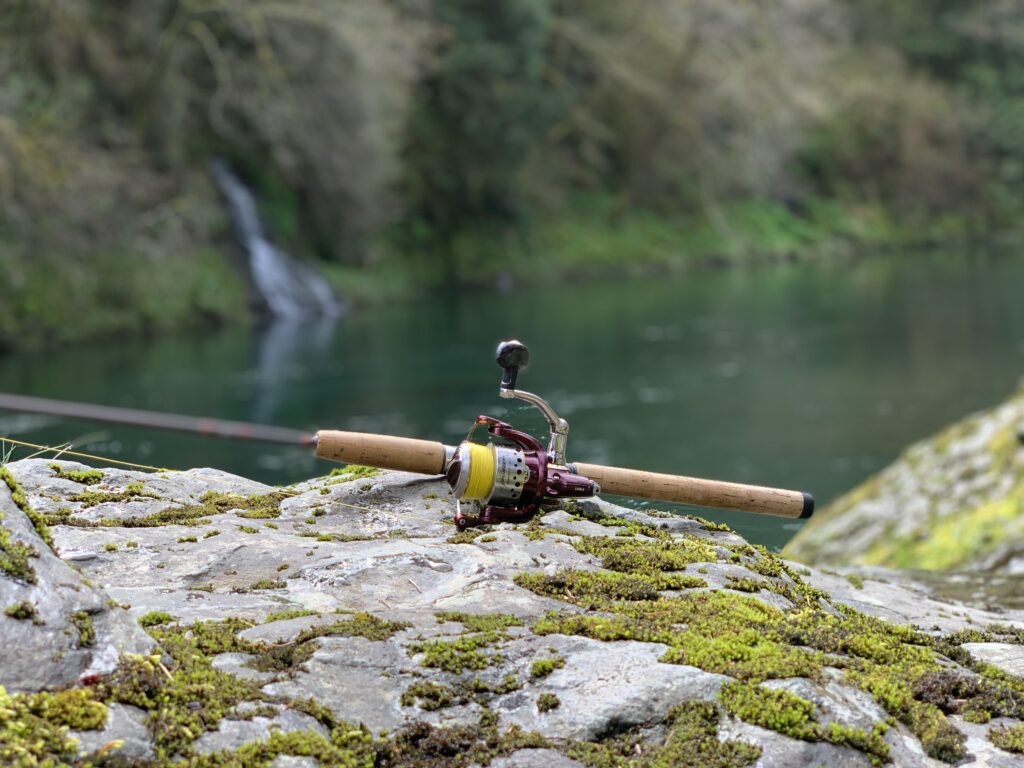
    Spinning rod and reel setup for salmon fishing beside a river

    Disclosure: This post may contain affiliate links. If you click and make a purchase, I may earn a small commission at no extra cost to you.

    If you’re wondering what size spinning reel for salmon makes the most sense, the short answer is that a 4000 size reel is the best all-around choice for most river anglers.

    If your reel is too small, you risk running out of line or lacking the drag power needed to handle strong fish. If it’s too large, your setup can feel heavy and unbalanced, making it harder to fish effectively all day.

    For most situations, the right size comes down to balancing line capacity, drag strength, and how you plan to fish.

    If you’re still deciding on a reel overall, start with this guide to the best spinning reels for Chinook salmon before dialing in size.


    Quick Answer: Best Reel Size for Salmon

    If you want the short answer:

    • 4000 size reel → best all-around choice for salmon fishing
    • 3000 size reel → lighter setups and smaller rivers
    • 5000 size reel → larger fish, heavy current, or bigger water

    For most anglers fishing Chinook in rivers, a 4000 size spinning reel is the sweet spot.


    Reel Size Breakdown (Quick Comparison)

    Reel SizeBest ForDownsides
    3000Small rivers, cohoLimited power
    4000Most salmon fishingNone (best balance)
    5000Big water, heavy currentHeavier

    What Spinning Reel Sizes Actually Mean

    Reel sizes (3000, 4000, 5000, etc.) refer to the size of the spool and internal components.

    As size increases, you get:

    • More line capacity
    • Stronger drag systems
    • Larger and more durable gearing

    That added strength matters when you’re dealing with powerful fish that make long runs in current.


    3000 Size Reels for Salmon

    A 3000 size reel is on the lighter end for salmon fishing.

    When it works:

    • Smaller rivers
    • Targeting coho or smaller Chinook
    • Lighter line setups

    Downsides:

    • Limited line capacity
    • Less drag power
    • Can struggle with large Chinook

    A 3000 can work, but it’s not ideal if you regularly hook into bigger fish.


    4000 Size Reels (Best Overall)

    This is the size most anglers should be using.

    Why 4000 is the best choice:

    • Plenty of line capacity for braided setups, especially if you’re running heavier mainline like the options I cover in my guide to the best braided fishing line for Chinook salmon.
    • Strong enough drag for large Chinook
    • Balanced weight for all-day fishing

    Personally, this is what I use most of the time. It handles just about every river situation without feeling too bulky or underpowered.

    If you’re unsure, go with a 4000—it covers almost everything.


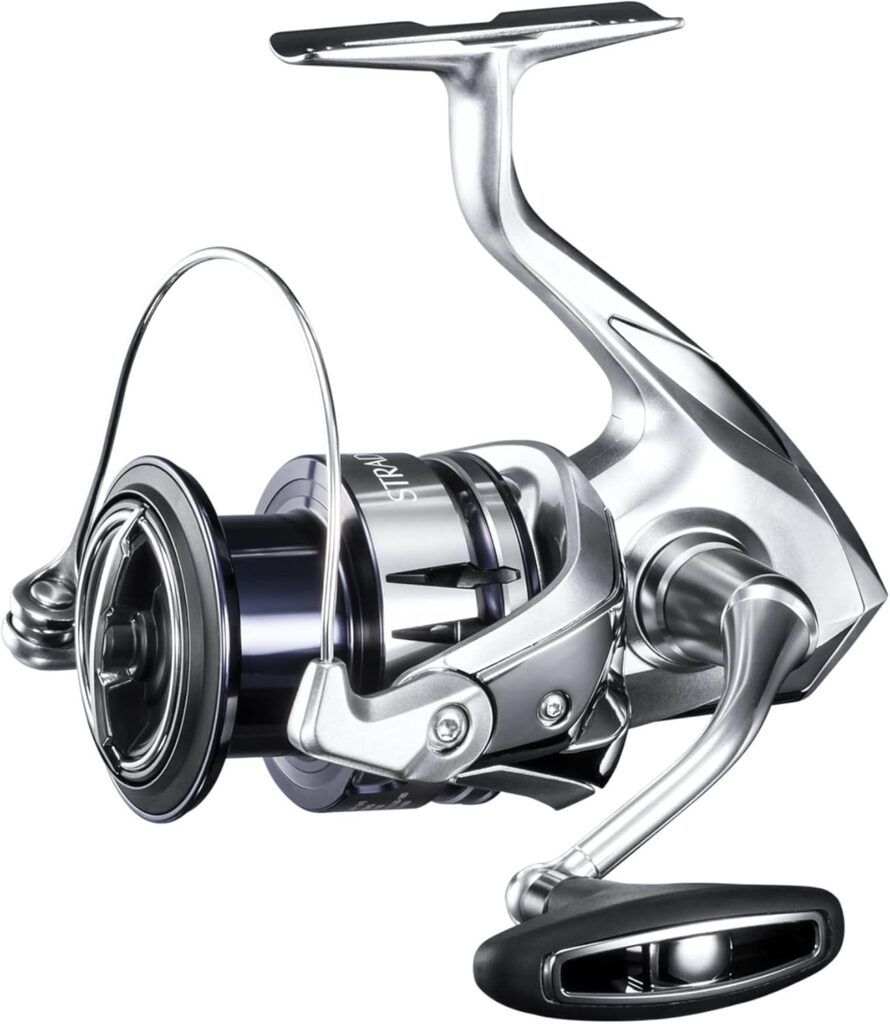
    Best 4000 Size Reel for Salmon (My Pick)

    If you’re looking for a reliable 4000 size reel that performs well for salmon fishing, this is a setup I’d feel confident recommending.

    Key features:

    • Smooth, consistent drag for fighting strong fish
    • Solid line capacity for 40–65 lb braid
    • Durable build that holds up in river conditions
    Shimano Stradic FL 4000 spinning reel for salmon fishing

    If I were picking one 4000-size reel from this lineup for salmon fishing, I’d lean toward the Shimano Stradic FL 4000. It gives you the smooth feel and quality the Stradic is known for, but with a 6.2:1 gear ratio that feels better balanced for power, control, and all-around river salmon fishing.

    If you want to compare a few solid options, check out my full guide to the best spinning reels for Chinook salmon.


    5000 Size Reels (When to Size Up)

    A 5000 size reel starts to make sense when you need extra power.

    When to use it:

    • Bigger rivers with heavy current
    • Targeting large Chinook consistently
    • Running heavier braided line

    Trade-offs:

    • Heavier setup
    • Less comfortable for long sessions

    If you fish big water often, the added power can be worth it.


    Matching Reel Size to Line Setup

    Your reel size should match the type of line you’re running.

    Most salmon anglers use:

    A 4000 or 5000 size reel gives you enough spool capacity to run these setups comfortably.

    If you’re unsure what line to use, check out the best braided fishing line for Chinook salmon and best leader line for Chinook salmon to dial in your setup.


    Reel Size and Fishing Style

    The way you fish also affects reel size.

    Float fishing:

    A 4000 size reel is ideal for balancing your rod and controlling line while drifting a float.

    If you’re fishing this way often, pairing your reel with a proper salmon float rig setup makes a big difference.

    The reel is only one part of the system, and the rest of your terminal tackle for salmon fishing matters too.


    Drift fishing:

    A 4000 or 5000 size reel works best depending on current speed and fish size.

    Heavier setups benefit from the added strength of larger reels.


    Common Mistakes When Choosing Reel Size

    A few mistakes can make your setup harder to fish than it needs to be:

    • Going too small to save weight
    • Using a reel without enough drag power
    • Not matching reel size to line and technique
    • Overcompensating with a reel that’s too large

    The goal is balance, not extremes.


    Final Thoughts

    For most salmon fishing situations, a 4000 size spinning reel is the best overall choice.

    It gives you the right mix of power, line capacity, and comfort without overcomplicating your setup.

    If you fish bigger water or consistently target large Chinook, stepping up to a 5000 can give you an advantage. But for most anglers, a 4000 will handle everything you need.


    FAQ

    What size spinning reel is best for salmon fishing?

    A 4000 size spinning reel is the best all-around option for most salmon fishing situations because it balances line capacity, drag, and comfort well.

    Is a 3000 or 4000 reel better for salmon?

    A 4000 reel is usually better for salmon, especially for Chinook, because it gives you more line capacity and better drag power. A 3000 can work in smaller rivers or for coho.

    Should I use a 4000 or 5000 spinning reel for salmon?

    A 4000 is the better choice for most anglers, while a 5000 makes more sense in bigger rivers, heavier current, or when targeting large Chinook consistently.

    What pound line should I use with a salmon spinning reel?

    Most salmon anglers do well with 40–65 lb braided mainline and a 20–30 lb leader, depending on river size, fish size, and technique.

    Does reel size matter for float fishing for salmon?

    Yes. A 4000 size reel is a great fit for float fishing because it gives you enough line capacity and good line control without making the setup feel too heavy.

    Does reel size matter for a salmon drift fishing setup?

    Yes. Drift fishing often works best with a 4000 or sometimes a 5000 reel, depending on current, fish size, and how heavy your setup is.

  • Bank Fishing for Salmon: Complete Guide to Catch More Fish from Shore

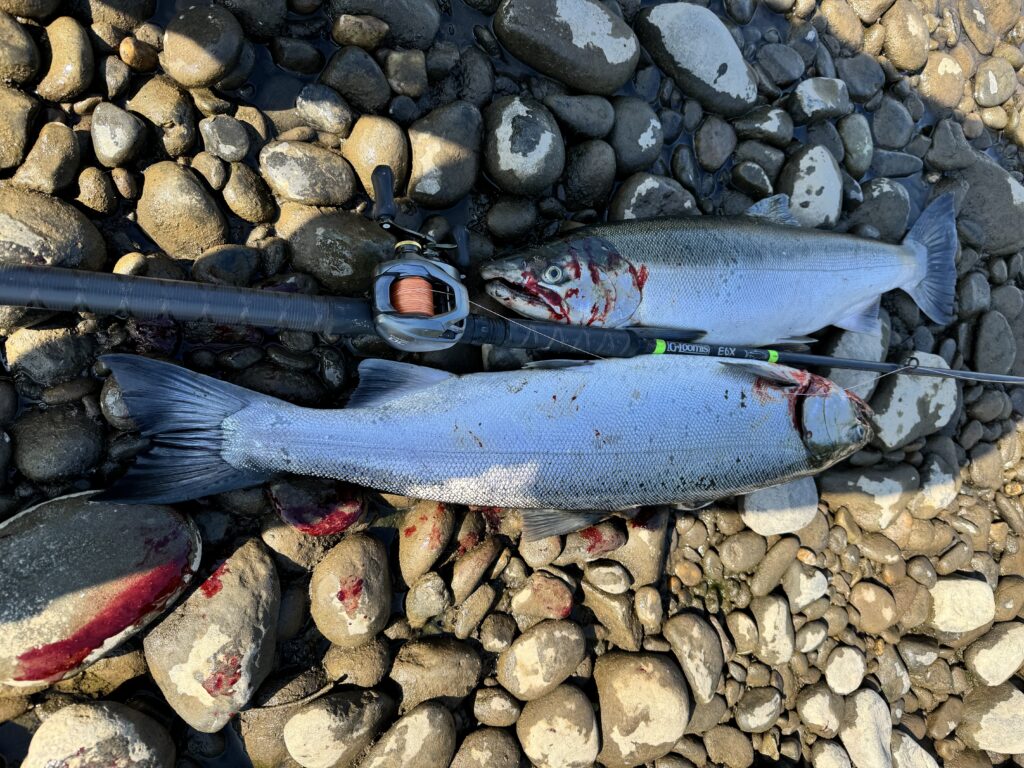
    chinook salmon caught from the bank in Oregon river fishing

    Disclosure: This post may contain affiliate links. If you click and make a purchase, I may earn a small commission at no extra cost to you.

    Bank fishing for salmon is a highly effective way to catch fish in Pacific Northwest rivers, and it can be just as effective as fishing from a boat.

    Some of my best days chasing Chinook have come standing on the bank, covering water, and dialing in a simple setup.

    The difference comes down to positioning, understanding how fish move, and fishing your water the right way.

    Once you understand how to read a river for salmon, the next step is knowing where to position yourself and how to fish that water effectively from the bank.

    Most of what I’m talking about here applies to smaller to mid-sized rivers where you can actually reach fish from the bank. On big systems, a boat can make a big difference in how much water you can cover.

    If you are still working on your setup, start with a proper salmon float rig setup so your gear is working with you instead of against you.


    Why Bank Fishing for Salmon Works in Rivers

    Salmon move through rivers in predictable travel lanes, and a lot of those lanes run closer to shore than most people realize.

    Fish use softer water along edges, seams, and transition zones to move upstream without burning energy. That puts them well within reach from the bank if you are standing in the right place.

    Another advantage is pressure. A lot of anglers focus on obvious water or easy access points, but there are plenty of bank spots that get overlooked or fished inefficiently. If you take your time and cover water the right way, you can intercept fish moving through consistently.


    When Bank Fishing Makes Sense (And When It Doesn’t)

    Bank fishing works best on rivers where you can effectively reach travel lanes without needing to cover huge amounts of water.

    Smaller to mid-sized rivers are ideal because fish are naturally pushed closer to shore, and you can control your presentation much easier.

    Here in Oregon, bigger rivers like the Willamette River or Columbia River are wide, deep, and have a lot more water to cover.

    In many cases, having a boat gives you access to better holding water and travel lanes that are difficult to reach from shore.

    That does not mean you cannot catch fish from the bank on big rivers, but your options are more limited and positioning becomes even more important.

    If you are just getting started, focusing on smaller rivers will give you a much better chance of learning quickly and staying consistent.


    Bank Fishing for Salmon: Where to Stand and Why It Matters

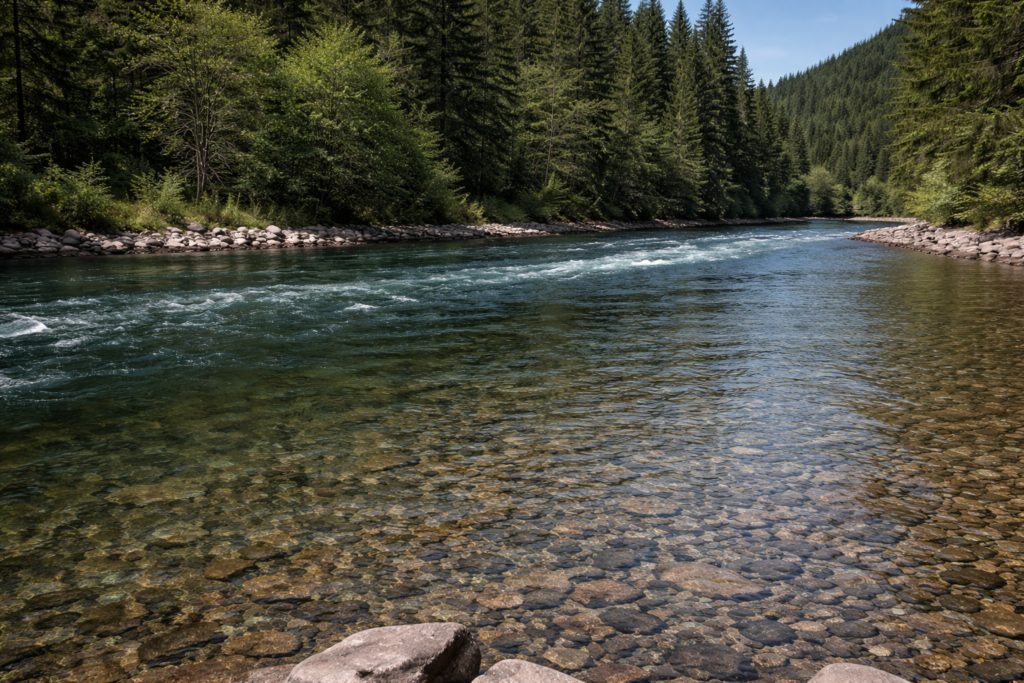
    bank fishing for salmon in Oregon river with float setup

    Where you stand matters just as much as what you are using.

    I am always looking for spots where I can reach fish without needing a long cast. Most of the time, that means targeting water that naturally funnels fish closer to shore.

    Look for:

    • Inside bends where current slows down
    • Tailouts where fish stack before pushing upstream
    • Walking-speed water near the bank
    • Edges where fast water meets slower current

    If you are not sure how to identify these areas, it helps to understand how to read a river for salmon before worrying about where to cast.

    One of the biggest mistakes I see is anglers standing in fast, straight current and casting as far as they can. Most of the time, the better water is closer than you think.


    How to Cast From the Bank Without Wasting Water

    When I step into a new spot, I am not trying to launch a cast as far as possible right away.

    I start farther out and then work my way in, covering each lane methodically. Every cast should fish a slightly different piece of water.

    A simple way to approach it:

    • Start with a longer cast to reach the far seam
    • Let your presentation drift naturally
    • Move your next cast slightly closer
    • Keep working inward until you have covered everything in front of you

    This helps you find where fish are actually traveling instead of guessing and hoping.

    If you are not getting any action, do not be afraid to move on to the next spot. There is no reason to waste time in water that is not producing.

    If you still feel like fish should be there, try changing your presentation before leaving. For example, if you have been drifting eggs without success, switch it up and run a spinner through the same lanes before moving on.


    Staying Stealthy in Clear Water

    On bright, sunny days when the water is clear, being stealthy makes a big difference.

    Fish can see more than people think, especially in shallow or slower water near the bank. If you are standing right on the edge, moving around a lot, or casting shadows over the water, it can push fish off the line you are trying to fish.

    In these conditions, I try to:

    • Stand back from the edge of the water
    • Keep movements slow and minimal
    • Avoid casting a shadow over the drift
    • Wear more natural or darker colors when possible

    A small adjustment like this can be the difference between fish ignoring your setup and actually committing to it.


    Best Techniques for Bank Fishing Salmon

    complete float fishing setup

    Float Fishing

    Float fishing is my go-to method from the bank because it lets you control depth and cover water efficiently.

    You can keep your bait in the strike zone longer and make quick adjustments as conditions change. A properly built salmon float rig setup makes a big difference here.

    Once your rig is set up, dialing in your depth is what really makes it effective. Small adjustments can be the difference between drifting over fish and getting bit.


    Drift Fishing

    Drift fishing works well in tighter slots or areas where float fishing is harder to manage.

    It gives you more direct contact with your presentation and can be effective when fish are holding close to the bottom.

    Your weight setup plays a big role here. Using the right amount and style of weight from your best salmon weights for river fishing setup helps you stay near the bottom without constantly snagging.


    Plunking (When It Makes Sense)

    Plunking is more of a stationary method, but it can work well in bigger water or when fish are moving through consistently.

    It is not my primary approach, but it is worth mentioning if you are fishing wide rivers where covering water is harder.


    Simple Bank Fishing Setup (What You Actually Need)

    You do not need a complicated setup to catch salmon from the bank.

    A simple, reliable system works best:

    • Rod with enough backbone to handle bigger fish
    • Reel that holds up under pressure
    • Braided mainline for strength and control
    • Fluorocarbon leader for a more natural presentation
    • Strong, sharp hooks
    • Proper weights for your technique
    • A float setup if you are fishing under a bobber

    If you are building your setup, it helps to match your gear with the same system used in your best braided fishing line for Chinook salmon, best leader line for Chinook salmon, and best hooks for salmon fishing guides so everything works together.


    Best Bait for Bank Fishing Salmon

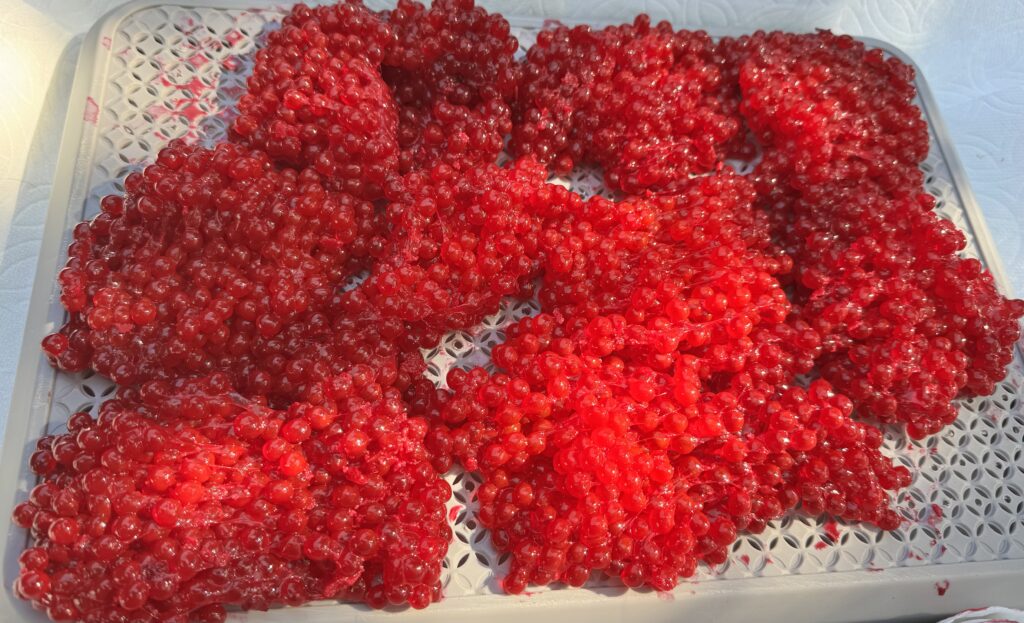
    cured salmon eggs bait for bank fishing salmon on paper towel

    Bait is one of the biggest factors in getting bites, especially when you are fishing from the bank.

    The most consistent options are:

    • Cured salmon eggs
    • Sand shrimp or shrimp combinations
    • Tuna and egg mixes
    • Soft beads in certain conditions

    Scent can also make a big difference, especially when water conditions are not ideal.

    If you want to go deeper into bait selection, check out best bait for Chinook salmon and how to rig salmon eggs so your presentation is set up correctly.


    When Bank Fishing Is Most Effective

    Timing plays a big role in success and becomes even more important once you understand the best times to fish for Chinook salmon in your area.

    The most consistent windows tend to be:

    • Early morning
    • Late evening
    • Overcast days
    • Slightly colored water conditions

    Fish are more comfortable moving and feeding during these times, which makes them more likely to commit to your presentation.


    Common Bank Fishing Mistakes

    A few small mistakes can make a big difference in results.

    The most common ones I see:

    • Standing in the wrong spot
    • Casting too far every time
    • Not adjusting depth
    • Not covering water thoroughly
    • Ignoring subtle water closer to shore

    Fixing these alone will put you ahead of a lot of anglers.


    How to Cover Water From One Spot

    You do not need to constantly move to find fish if you are covering water properly.

    When I stay in one spot, I focus on:

    • Fishing multiple lanes from far to near
    • Adjusting depth slightly between drifts
    • Watching how my float or line moves through each section
    • Paying attention to any follows, bumps, or changes

    Once you find a productive lane, keep working it. Fish tend to travel the same paths.

    Bank fishing for salmon doesn’t require a complicated setup, but it does require understanding how fish move and how to position yourself correctly. Once you start paying attention to those details, your success rate from the bank goes up fast.


    FAQ

    Can you catch salmon from the bank?

    Yes, salmon are regularly caught from the bank, especially in smaller to mid-sized rivers where fish travel closer to shore and can be reached without needing a boat.

    How far should you cast when bank fishing for salmon?

    You don’t always need to cast far. Many fish travel closer to shore than expected. It’s more important to cover water methodically than to cast as far as possible every time.

    What is the best bait for bank fishing salmon?

    Cured salmon eggs are the most consistent option, often paired with shrimp or scent. Tuna combinations and soft beads can also work depending on water conditions and fish behavior.

    What pound line should you use for salmon fishing?

    Most anglers use braided mainline in the 40–65 lb range with a fluorocarbon leader around 20–30 lb. This gives you strength, sensitivity, and a more natural presentation.

    Is float fishing effective from the bank for salmon?

    Yes, float fishing is one of the most effective techniques from the bank. It allows you to control depth and keep your bait in the strike zone longer as it moves through travel lanes.

    Where should you stand when bank fishing for salmon?

    Focus on areas where fish naturally travel closer to shore, such as inside bends, tailouts, and seams between fast and slow water. Positioning is often more important than casting distance.

  • How to Read a River for Salmon (Where to Fish in Rivers)

    Coho salmon caught on river bank with fishing rod on rocks

    How to read a river for salmon is one of the most important skills you can learn if you want to consistently find fish.

    Knowing where to fish is one of the biggest differences between consistently catching salmon and spending the day guessing.

    A river might look full of good water, but salmon do not use every part of it the same way. They follow specific travel lanes, hold in certain types of structure, and move depending on conditions.

    Once you understand how to read the river, everything else such as your setup, depth, and presentation starts to make a lot more sense.


    What Salmon Look for in a River

    Salmon are constantly moving upstream, but they are not doing it randomly.

    They look for:

    • Current breaks
    • Depth
    • Structure
    • Areas where they can rest without fighting heavy current

    Anywhere the current slows down slightly or changes direction can create a holding spot.

    This is why understanding your full setup, including your salmon float rig setup and terminal tackle system, matters so much when you are trying to present bait naturally in these zones.

    Your terminal tackle also plays a big role in how naturally your bait moves through the current.

    Once you understand how to read a river for salmon, everything else like depth, bait, and presentation starts to make a lot more sense.


    Best Water Types to Target

    When you are scanning a river, these are the main types of water you should focus on.

    Seams

    Seams are where fast and slow water meet.

    salmon river seam example with fast current and slower inside water

    These are natural travel lanes for salmon because fish can move upstream while conserving energy.


    Eddies

    Eddies form when current breaks and starts to swirl back upstream.

    These areas create softer water where fish can rest.


    Tailouts

    Tailouts are the slower water at the end of a run before it drops into the next section.

    These are especially good for traveling fish.


    Deep Runs

    Deeper sections of the river give salmon security and are often where they hold during the day.


    Understanding Salmon Travel Lanes (Where Fish Actually Move)

    Not all salmon move through a river the same way.

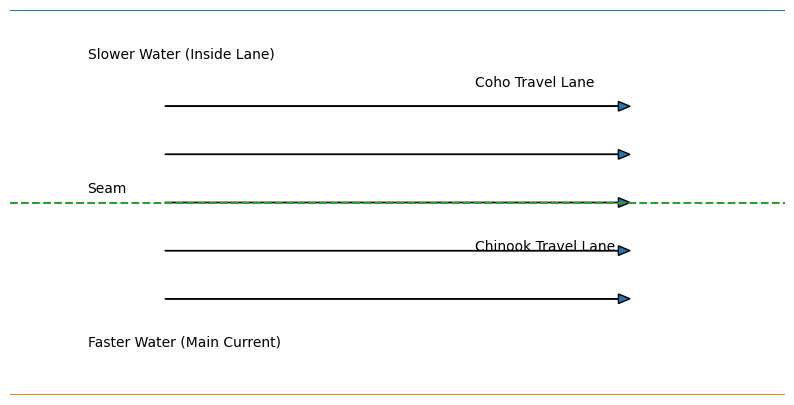
    In a typical seam, coho will often push through the shallower inside lane, closer to softer water. They are more willing to travel through that easier current.

    Chinook are different.

    Most of the time, they will move through the deeper side of the seam, right where heavier current starts to push. That deeper lane provides security and better holding water.

    But Chinook do not always follow the rules.

    There are plenty of times where they will move straight up the heavy current itself, especially when they are pushing upriver with purpose. If you are only fishing the soft edge, you can completely miss those fish.

    This is where a lot of people get it wrong.

    They find a good-looking seam and only fish the slow side of it.

    What works better is fishing both travel lanes:

    • Start on the softer inside seam
    • Then work into the deeper edge
    • Then slightly into heavier current

    That small adjustment can be the difference between fishing empty water and putting your bait right in front of fish.


    Cover Water Until You Find Fish

    Even when you understand travel lanes, you are never going to know exactly where fish are sitting.

    Fish do not always follow the perfect line.

    That is why you cannot get locked into one path.

    If you are only running your float down a single line, you are missing fish.

    Instead:

    • Start on the far side of the seam
    • Work each cast closer
    • Cover the entire zone

    Think of it like scanning the river, not guessing.

    Once you find the line fish are using, you can repeat it.

    Using the right float makes a big difference here, especially when it comes to controlling your drift and keeping your presentation consistent across different lines.

    A lot of bites come on a line you did not expect, simply because you took the time to cover the water.


    Watch the Water (Fish Will Tell You Where to Fish)

    One of the most overlooked clues is the surface.

    If you see a salmon roll, swirl, or break the surface, that is not random.

    That is a fish showing you exactly where it is.

    Take note of:

    • The exact line it surfaced in
    • The current speed
    • The likely depth

    Then run your float through that exact path.


    Read the Water Before You Ever Make a Cast

    Before you even fish, take time to observe the water.

    Depending on water clarity and light conditions, especially with polarized glasses, you can often see what is below the surface.

    Darker water usually means deeper water.

    Look for:

    • Gravel versus rock bottom
    • Large rocks that create current breaks

    Big rocks are important.

    If there are rocks large enough for a salmon to sit behind, that is exactly what they will do. Those rocks break the current, and salmon will drop down to the bottom and hold behind them to rest.

    If you cannot see into the water clearly, use the bank as a clue.

    • Rocky banks often mean structure below
    • Smooth or muddy banks usually mean less structure

    Adjust Your Depth Around Structure

    Once you identify structure, adjust your depth accordingly.

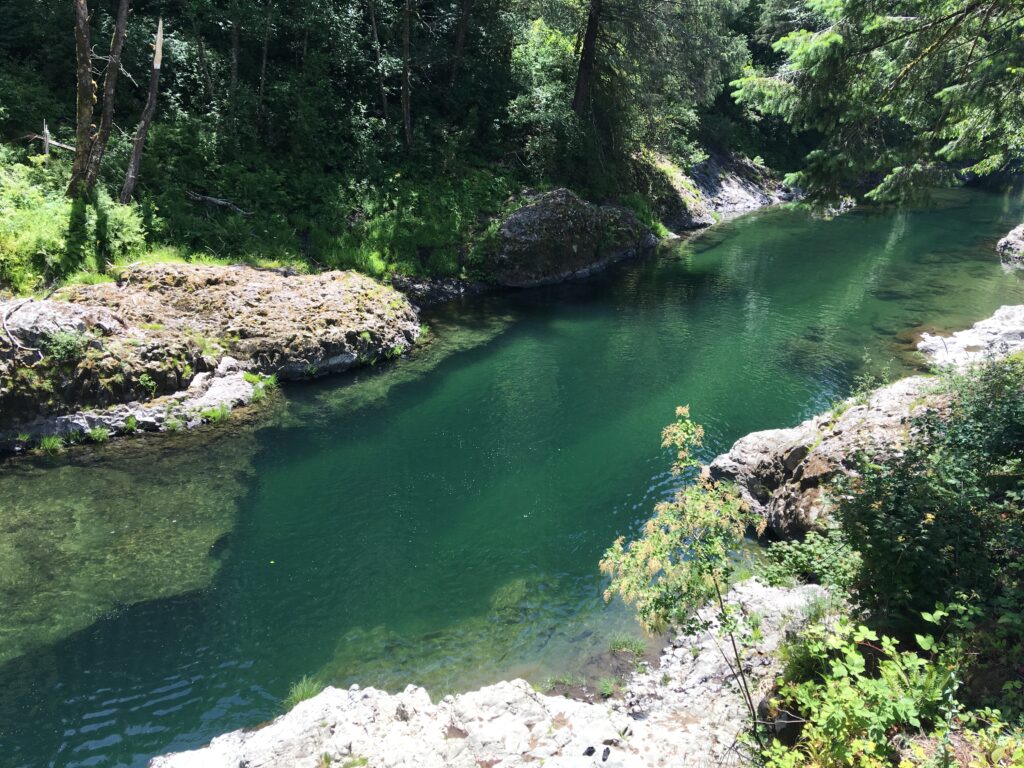
    deep river pool with rocks creating salmon holding water near structure

    If there are large rocks in the line you are fishing, set your bait roughly 6 to 12 inches above the bottom structure.

    This keeps your bait in the strike zone without constantly snagging.

    If you are hitting rocks, you are too deep. Bring it up slightly and keep adjusting until you are running clean but still close to the bottom.

    Choosing the right amount of weight also plays a big role here, since it helps your bait get down into the zone and stay in the zone with a clean presentation.

    Dialing this in is critical and is covered in more detail in the salmon float fishing depth guide.


    Where Coho and Chinook Hold in Different Water Types

    Chinook typically prefer deeper lanes and heavier current edges.

    Coho, on the other hand, will often use softer water.

    Aside from tailouts, coho also love back eddies.

    These are areas where the current breaks and rolls upstream, creating slower pockets.

    Coho will often sit in these areas to rest.

    These are great spots for:

    • Jigs
    • Spoons
    • Spinners

    Understanding How Rivers Naturally Break Down

    Most rivers follow a pattern.

    You will usually see:

    • Faster, narrow water
    • Feeding into a deeper, slower channel
    • Followed by another fast section or chute

    That deeper middle section is often the most consistent holding water.


    Upper River and Boulder Water

    Further upriver, things can change.

    You will often find large boulders, heavy current, and faster water.

    Fish will sit behind these boulders to rest before pushing through stronger current or rapids.

    These spots can hold fish even when everything around them looks too fast.


    Not All Good Looking Water Holds Fish

    Just because water looks perfect does not mean fish are there.

    Salmon are constantly moving upstream toward spawning areas.

    That means you might be:

    • Fishing water that fish have already moved through
    • Or fishing too far upriver before fish have arrived

    If you are not getting any action, do not spend your entire day in one spot.

    Move and try a different section of river, especially further downstream where fish are still actively moving through.

    if all else fails, follow the crowds. They’ll always te


    Salmon Travel Lanes Diagram


    Final Step: Put Your Bait in the Strike Zone

    Once you find the right travel lane and the right line, the next step is making sure your bait is actually in the strike zone.

    This is where dialing in your depth and presentation matters most, especially when using effective bait from this best bait for Chinook salmon guide.


    FAQ

    How do you read a river for salmon?

    Reading a river for salmon means identifying where fish travel and hold. Focus on seams, current breaks, deeper runs, and structure like rocks. Learning how to read a river for salmon helps you consistently find fish instead of guessing.

    Where is the best place to fish for salmon in a river?

    The best places to fish for salmon are along seams, tailouts, deeper runs, and behind large rocks where fish can rest. Chinook often hold in deeper, heavier current, while coho are more likely to be found in softer inside water and back eddies.

    What is a seam in a river for salmon fishing?

    A seam is the line where fast water meets slower water. These areas create natural travel lanes for salmon, allowing them to move upstream while conserving energy.

    How do you find salmon in a river?

    You can find salmon by reading the water and watching for signs like rolling fish or surface disturbances. Covering multiple drift lines across seams and adjusting your presentation helps locate active fish.

    How important is depth when fishing for salmon?

    Depth is critical when fishing for salmon. Most fish travel and hold close to the bottom, so your bait needs to be in the strike zone. If your setup is too shallow or too deep, you can miss fish even if you are in the right location.

    What setup is best for salmon fishing in rivers?

    A float fishing setup is one of the most effective methods for river salmon. It allows you to control depth, cover water, and present bait naturally through travel lanes where fish are moving.

  • How to Rig Salmon Eggs Under a Float

    cured salmon eggs used for salmon fishing bait

    This article may contain affiliate links. If you purchase through these links, I may earn a small commission at no additional cost to you.

    Knowing how to rig salmon eggs properly is one of the most important skills for consistently catching salmon in Pacific Northwest rivers.

    Cured salmon eggs are one of the most reliable baits for targeting salmon in the PNW. When rigged correctly under a float, eggs drift naturally through the current while releasing scent that salmon can easily track upstream.

    This style of fishing is especially effective for Chinook salmon, but it also works extremely well for coho and steelhead. The key is keeping your bait drifting naturally while maintaining control of your presentation.

    In this guide I’ll show you how to rig salmon eggs under a float so your bait stays secure and drifts naturally through the strike zone.

    Below is the exact way I rig salmon eggs under a float, along with tips for bait size, hook placement, and leader length that help keep the bait looking natural in the water.

    If you’re unfamiliar with the overall setup, this presentation uses the same system explained in my guide to Salmon Float Rig Setup.


    Why Salmon Eggs Work So Well

    Salmon eggs are a natural food source that fish recognize immediately. Even when salmon are not aggressively feeding, the scent trail from cured eggs can trigger curiosity or territorial responses.

    Eggs work particularly well in river systems because the current helps spread scent downstream. As your bait drifts naturally with the current, salmon holding in deeper runs or tailouts can detect the scent and move toward the presentation.

    In many Pacific Northwest rivers, cured eggs paired with sand shrimp are one of the most productive bait combinations anglers can fish under a float.


    Gear Needed for a Salmon Egg Float Rig

    Fishing eggs under a float uses a simple rigging system that most salmon anglers already carry in their tackle box.

    Typical components include:

    • Float or bobber
    • Sliding egg weight
    • Swivel
    • Leader line
    • Octopus hook
    • Bobber stop and beads

    These components create a controlled drift that keeps your bait moving naturally through the strike zone while preventing tangles and line twist.

    Most of this setup is part of a larger Terminal Tackle for Salmon Fishing system that anglers use throughout Pacific Northwest rivers.

    For this setup, I usually run:

    • 20–30 lb fluorocarbon leader
    • Size 4/0 or 5/0 octopus hooks
    • Inline slider float

    Float I Prefer for Fishing Salmon Eggs

    When fishing eggs under a float, I prefer using an inline slider float because it allows quick depth adjustments and casts well in river current.

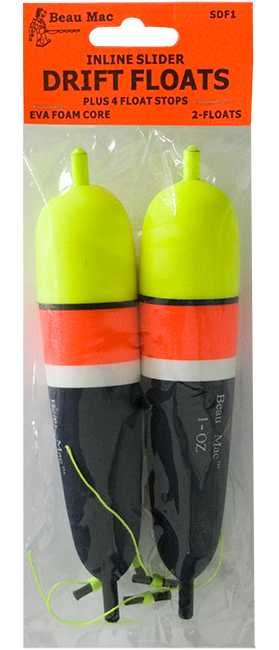
    The float I most commonly use is the Beau Mac Inline Slider Float, which strikes a great balance between durability and price. These floats are tough enough to last multiple seasons and adjust easily as river conditions change.

    This is the float I rely on for consistent depth control and durability when fishing salmon under a float

    Inline slider floats like this also make it easy to adjust your bait depth throughout the day as fish move within the water column.

    If you’re trying to choose the right float size or style, I go into more detail in my guide to Best Salmon Floats for River Fishing.


    How to Rig Salmon Eggs Step by Step

    The basic setup for fishing eggs under a float follows the same rigging order used in most salmon float fishing systems.


    Step 1 – Tie Your Leader

    Start by tying your leader line to the swivel at the end of your mainline.

    For most float setups, I prefer a leader around three feet long, although this can change depending on water clarity and current speed. In clear water I’ll sometimes extend the leader slightly to make the presentation look more natural.

    A strong fluorocarbon or monofilament leader works well because it provides durability while still allowing the bait to move naturally in the current.

    If you’re unsure what material works best, I break it down in my guide to Best Leader Line for Chinook Salmon.


    Step 2 – Tie on an Octopus Hook

    For bait fishing, octopus-style hooks are the most common choice because the wide gap allows bait to sit on the hook shank while keeping the hook point exposed.

    When tying the hook, I prefer to use a bait loop knot. This knot creates a small loop of line behind the hook that can be wrapped around the bait to help hold it securely in place.

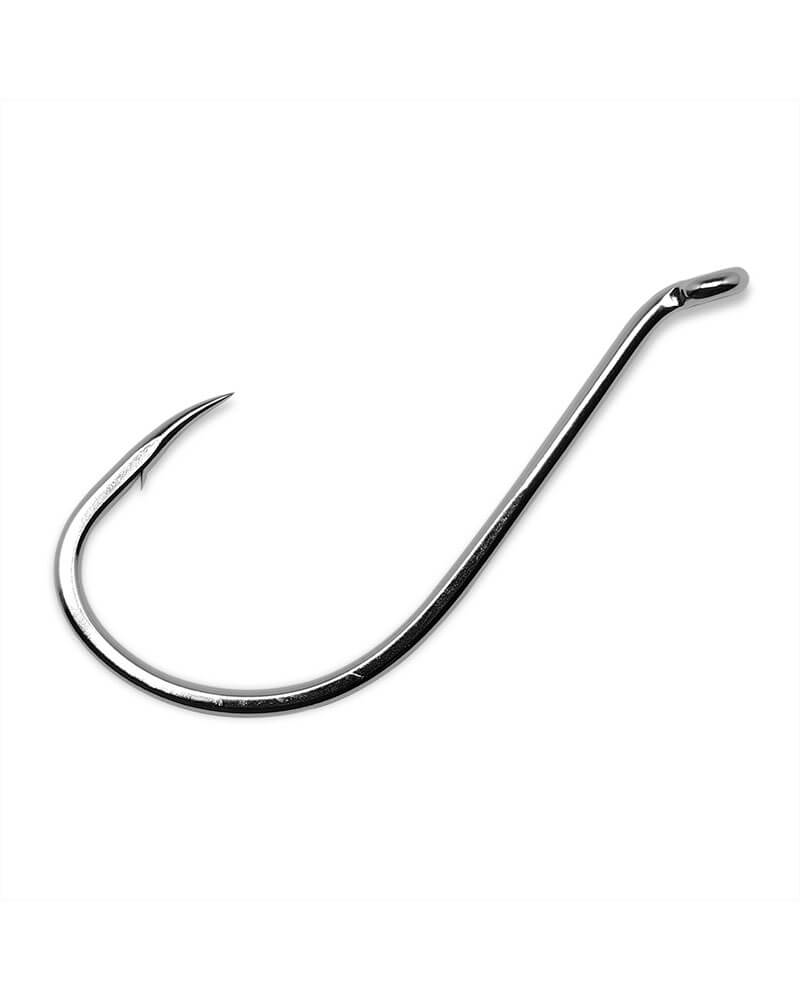
    These are what I use for most Chinook setups

    Once the eggs are on the hook, wrap the bait loop around the egg cluster and gently tighten it down. If the eggs are very soft and have a higher chance of breaking apart or falling off, I will sometimes make two wraps around the cluster to help keep everything secured.

    For Chinook salmon I typically fish:

    5/0 hooks in most situations
    4/0 hooks when fishing smaller bait clusters or clearer water
    3/0 hooks when targeting coho

    A strong, sharp hook is important when targeting salmon because large fish can easily bend weaker hooks during the fight.


    Step 3 – Add the Egg Cluster

    Once the hook is tied on, thread your cured egg cluster onto the hook.

    I usually run an egg cluster about the size of a golf ball. This creates a strong scent profile while still drifting naturally with the current.

    When rigging eggs, I like to thread the hook through the skein of the eggs as many times as possible without compromising the cluster. The skein is what holds the eggs together, so threading the hook through that membrane helps keep the bait secure.

    The goal is to anchor the cluster firmly while still leaving the hook point exposed so it can penetrate when a salmon bites.


    How to Keep Salmon Eggs From Falling Off the Hook

    One of the most common problems when fishing eggs is keeping the bait secured to the hook during long drifts.

    The key is making sure the hook passes through the skein of the eggs as many times as possible without breaking the cluster apart. The skein is the membrane that holds the eggs together, so threading the hook through that material helps anchor the bait in place.

    After the eggs are threaded onto the hook, the bait loop knot can be wrapped around the cluster and gently tightened. This helps hold the eggs against the hook shank so they stay compact while drifting through the current.

    If the eggs are very soft or loosely cured, I’ll sometimes make two wraps with the bait loop around the cluster to keep everything secured.

    A properly rigged egg cluster should stay on the hook for multiple drifts while still leaving the hook point exposed for solid hooksets.


    Leader Length for Fishing Salmon Eggs

    Leader length can make a noticeable difference in how natural your bait drifts through the current.

    Most anglers run leaders between 2 and 3 feet when fishing eggs under a float.

    General guidelines:

    • Clear water – slightly longer leader
    • Faster current – shorter leader
    • Heavy fishing pressure – longer leader

    Adjusting leader length occasionally throughout the day can help dial in a more natural presentation.


    Tips for Fishing Eggs Under a Float

    Rigging eggs correctly is only part of the equation. Presentation plays a huge role in getting bites.

    One of the most important factors when fishing eggs under a float is depth control.

    I usually start by setting my bait about a foot off the bottom. This keeps the bait drifting naturally just above the riverbed where salmon are most likely to see it.

    However, in deeper holes salmon can be holding anywhere in the water column, so I’m constantly adjusting my float depth throughout the day. If you’re new to this setup, I break down the full system step-by-step in my salmon float rig guide.

    If you’re set too deep, your bait may drift underneath the fish. If you’re set too shallow, your bait may pass above them. The goal is to dial in the depth so your bait drifts right at the level where the fish are holding.

    Personally, I’ll constantly adjust depth throughout the day, sometimes every few drifts until I start getting bites.

    A few other things that help improve success:

    • Keep the bait drifting naturally with the current
    • Adjust float depth frequently as water depth changes
    • Use fresh bait whenever possible
    • Watch your float closely for subtle bites

    Often salmon will take eggs gently before committing to the bait, so paying attention to small float movements can make a big difference.


    Common Mistakes When Rigging Salmon Eggs

    A few simple mistakes can reduce how effective egg fishing can be.

    Using Too Much Bait

    Large egg clusters can hide the hook point and reduce hook-up ratios.

    Covering the Hook Point

    Always leave the hook point exposed so it can penetrate quickly when a fish bites.

    Leader Too Short

    Short leaders can make the presentation look unnatural, especially in clear water.

    Fishing the Wrong Depth

    If your bait is drifting too high in the water column, salmon may ignore it completely.


    When Salmon Eggs Work Best

    Egg fishing tends to work best when salmon are freshly entering the river or moving upstream through holding water.

    Productive situations often include:

    • fresh salmon runs
    • slightly colored water after rain
    • cooler fall temperatures
    • deeper runs and tailouts

    In these conditions, eggs can be one of the most consistent bait options available.

    If you want a full breakdown of the best bait options for different river conditions, I cover that in my guide to the best bait for Chinook salmon.


    Final Thoughts

    Fishing salmon eggs under a float is one of the most reliable techniques for targeting salmon in Pacific Northwest rivers. When rigged properly, eggs create a natural drifting presentation that spreads scent through the current and attracts fish from a distance.

    With the right leader length, hook size, and bait presentation, this simple setup can consistently produce salmon throughout the season.


    FAQ

    How do you rig salmon eggs for salmon fishing?

    Salmon eggs are typically rigged on an octopus hook tied with a bait loop knot. The hook is threaded through the skein of the egg cluster several times to help secure the bait, and the bait loop is wrapped around the cluster to hold it tightly against the hook shank. When fishing under a float, the egg cluster drifts naturally with the current while releasing scent that salmon can track upstream.

    What size hook is best for salmon eggs?

    Most anglers use octopus hooks between 3/0 and 5/0 when fishing salmon eggs. A 5/0 hook is commonly used for Chinook salmon, while 4/0 hooks work well for smaller bait clusters or clearer water. When targeting coho, many anglers drop down to a 3/0 hook.

    How many salmon eggs should you put on a hook?

    Most anglers fish an egg cluster roughly the size of a golf ball. This provides a strong scent trail while still allowing the bait to drift naturally in the current. The hook should be threaded through the skein of the eggs to help keep the cluster secure.

    How do you keep salmon eggs from falling off the hook?

    To keep salmon eggs from falling off, thread the hook through the skein of the eggs several times so the cluster is anchored securely. A bait loop knot can then be wrapped around the egg cluster to hold it tightly against the hook shank. If the eggs are soft, anglers sometimes wrap the bait loop twice around the cluster for extra security.

    How long should a leader be when fishing salmon eggs?

    When fishing salmon eggs under a float, most anglers use a leader between 2 and 3 feet long. In clear water conditions a slightly longer leader may help the bait drift more naturally, while shorter leaders can work better in faster current.

  • Why Your Salmon Float Rig Keeps Tangling (And How to Fix It)

    a complete salmon float rig from top to bottom

    Affiliate Disclosure: As an Amazon Associate, I earn from qualifying purchases. Some links on this page are affiliate links, meaning I may earn a small commission if you purchase through them at no additional cost to you.


    Why Your Salmon Float Rig Keeps Tangling

    Float fishing is one of the most effective ways to target salmon in rivers, especially for Chinook. When everything is set up correctly, a float rig allows your bait to drift naturally through the strike zone while keeping it suspended at the right depth.

    But if you’ve spent much time float fishing for salmon, you’ve probably experienced one of the most frustrating problems anglers run into:

    Your float rig keeps tangling.

    Tangles can happen during the cast, during the drift, or when the rig lands in the water. Fortunately, most float rig tangles are caused by a few simple rigging mistakes that are easy to fix.

    In this guide, we’ll go through the most common reasons salmon float rigs tangle and how to prevent them so your presentation stays clean and effective.

    If you’re still building your setup, you may also want to check out my guide on salmon float rig setups, where I break down the full rig step-by-step.


    Common Reasons Salmon Float Rigs Tangle

    Several small issues can cause float rigs to tangle. Most of the time, fixing the problem only requires a simple adjustment to your setup.


    Your Leader Is Too Long

    One of the most common causes of float rig tangles is using a leader that is too long.

    Long leaders can easily wrap around the float, mainline, or weight during the cast.

    While longer leaders can sometimes help create a more natural bait presentation, they also increase the chances of the rig twisting and tangling.

    For most salmon float rigs, a leader around 3 feet long is a good starting point.

    Many anglers prefer to tie and store pre-tied leaders so they can quickly swap them out if they become damaged or tangled.

    If you’re choosing leader material, take a look at my guide on leader line for salmon fishing.


    Your Float Is Too Small for the Weight

    Another common cause of tangles is using a float that is too small for the amount of weight in the rig.

    If the float doesn’t have enough buoyancy to support the weight, the rig can behave unpredictably in the water and twist around the line.

    When float fishing for salmon, the float should always match the amount of weight being used.

    Typical salmon float fishing weight sizes look like this:

    3/4 oz — light current or shallow water
    1 oz — most common setup
    1.5 oz — deeper runs or faster current
    2 oz — strong current

    Your float should always be able to properly support the weight you’re running.

    I cover this in more detail in my guide on the best salmon floats for river fishing.

    (Internal link → Best Salmon Floats post)


    Your Weight Placement Is Incorrect

    Where the weight sits in your float rig can also cause tangles.

    In most salmon float rigs, the setup should follow this order:

    Bobber stop
    Bead
    Corky
    Float
    Sliding egg weight
    Bead
    Swivel
    Leader
    Hook

    The weight should sit above the swivel and below the float. This helps keep the rig balanced and allows the bait to drift naturally.

    If the weight is placed incorrectly, the leader can wrap around the float during the cast.

    For a complete breakdown of how all of these components fit together, see my terminal tackle guide for salmon fishing.


    Casting Too Hard

    Many float rig tangles happen during the cast.

    When anglers snap the rod forward too aggressively, the weight and leader can swing ahead of the float and wrap around the main line before the rig lands in the water.

    Instead, try making smooth and controlled casts.

    A smoother casting motion allows the rig to extend naturally in the air, which greatly reduces the chances of tangling.


    Your Corky Is Showing That the Rig Is Tangled

    Some salmon float setups include a corky above the float. In addition to adding visibility, the corky can also act as a tangle indicator.

    When the rig is drifting correctly, the corky should sit close to the float.

    If you notice the corky floating off to the side or separated from the float, it usually means something in the rig has tangled somewhere along the line.

    When this happens, it’s best to reel in and reset the rig before continuing the drift.

    Fishing with a tangled setup almost always results in poor bait presentation.


    How to Rig a Tangle-Free Salmon Float Setup

    A properly rigged float setup greatly reduces the chances of tangling.

    A typical Chinook float rig looks like this:

    Mainline
    Bobber stop
    Bead
    Corky
    Float
    Sliding egg weight
    Bead
    Swivel
    Leader
    Hook

    Sliding egg weights are commonly used because they allow the rig to move naturally while helping the bait reach the strike zone.

    If you want to see the different weight options anglers use for salmon fishing, take a look at my guide on salmon weights for river fishing.


    Tips to Prevent Salmon Float Rig Tangles

    A few simple habits can help prevent tangles while float fishing for salmon.

    Use Smooth Casting Motions

    Avoid aggressive casts that cause the rig to spin in the air.

    Match Your Float to Your Weight

    Make sure your float has enough buoyancy for the amount of weight in the rig.

    Keep Leader Length Reasonable

    Around three feet is a good starting point for most salmon float rigs.

    Check Your Rig Often

    If something looks off while drifting, reel in and reset your rig.


    Common Float Fishing Questions

    Why does my salmon float rig keep tangling?

    Float rigs often tangle when the leader is too long, the float is too small for the amount of weight being used, or the rig is cast too aggressively. Keeping your leader around three feet, matching the float size to the weight, and using smooth casting motions can greatly reduce tangles.


    How do you stop a float rig from tangling?

    To prevent float rig tangles, make sure your leader length is reasonable, your float can support the weight in the rig, and your casting motion is smooth and controlled. Proper weight placement and a balanced rig also help prevent the leader from wrapping around the float.


    What leader length is best for salmon float fishing?

    Most salmon float rigs work well with leaders around three feet long. This length allows the bait to move naturally while still reducing the chances of tangling during the cast.


    Why does my bobber rig twist in the current?

    Bobber rigs can twist when the weight placement is incorrect, the float is undersized, or the leader is excessively long. Adjusting the rig to keep everything balanced usually solves the problem.


    Final Thoughts

    Float fishing for salmon is one of the most productive techniques for targeting Chinook in rivers.

    But like any fishing setup, small rigging mistakes can lead to frustrating tangles.

    By keeping your leader length reasonable, matching your float to the weight you’re using, and casting smoothly, you can dramatically reduce tangles and keep your presentation drifting naturally through the water.


    Frequently Asked Questions

    Why does my salmon float rig keep tangling?

    Float rigs often tangle because of long leaders, incorrect weight placement, or using a float that is too small for the amount of weight in the rig. Smooth casting and properly balancing the rig can prevent most tangles.


    What leader length is best for salmon float fishing?

    Many anglers use leaders around three feet long when float fishing for salmon. This length helps provide natural bait movement while reducing the chances of tangling during the cast.


    How much weight should you use for salmon float fishing?

    Most salmon float rigs use between 3/4 ounce and 2 ounces of weight depending on water depth and current speed. Around 1 ounce is a common starting point in many river conditions.


    What is the best float setup for salmon fishing?

    A typical salmon float setup includes a bobber stop, bead, corky, float, sliding egg weight, bead, swivel, leader, and hook. This arrangement keeps the rig balanced and allows the bait to drift naturally.


    Frequently Asked Questions

    Why does my salmon float rig keep tangling?

    Salmon float rigs usually tangle because of long leaders, incorrect weight placement, or using a float that is too small for the amount of weight in the rig. Smooth casting and properly balancing the float and weight will prevent most tangles.

    What leader length is best for salmon float fishing?

    Many anglers use leaders around 3 feet long when float fishing for salmon. This length helps create a natural bait presentation while reducing the chances of tangling during the cast.

    What weight should I use for salmon float fishing?

    Most salmon float rigs use between 3/4 ounce and 2 ounces of weight depending on water depth and current speed. Around 1 ounce is a common starting point for many river conditions.

    Can a float that is too small cause tangles?

    Yes. If the float is too small for the amount of weight in the rig, the setup can behave unpredictably in the water and twist the line. Matching the float size to the weight being used helps keep the rig balanced and reduces tangles.

    How do you stop a float rig from tangling?

    To prevent float rig tangles, keep your leader length reasonable, match the float size to the weight being used, and use smooth casting motions. Proper weight placement and balanced rig components also help prevent the leader from wrapping around the float.

  • Salmon Float Rig Setup (Step-by-Step) for Pacific Northwest Rivers

    a picture of a complete salmon float fishing rig

    Affiliate Disclosure:
    Some links on this page are affiliate links. If you purchase through them, I may earn a small commission at no extra cost to you. I only recommend gear I personally use or would confidently fish in Pacific Northwest rivers.


    How to Set Up a Salmon Float Rig

    Float fishing is one of the most consistent ways to catch salmon in Pacific Northwest rivers because it keeps your bait drifting naturally while staying in the strike zone.

    When set up correctly, a float rig allows you to present bait at a precise depth while covering water efficiently. Most of the salmon I’ve caught in Oregon rivers have come on some variation of this setup.

    Most anglers fish this setup with spinning gear because it handles long drifts and light terminal tackle well. If you’re building a float fishing setup, take a look at some of the best spinning reels for Chinook salmon that work well for river fishing.

    Below is the exact salmon float rig setup I use, including the rig order, gear, bait choices, and depth adjustments that keep your bait in front of fish.

    Many of the components used in this setup are part of a larger terminal tackle system for salmon fishing that anglers rely on throughout the Pacific Northwest.


    What This Rig Is Best For

    This float rig works especially well when fishing:

    • cured salmon eggs
    • eggs paired with shrimp
    • bait presentations drifting through runs and tailouts

    It works extremely well for Chinook salmon, but the same system is commonly used for coho and steelhead.


    Baits I Typically Fish Under a Float

    When fishing this setup, I most often run cured salmon eggs (roe) as my primary bait.

    Eggs are one of the most consistent baits for Chinook because they produce a strong scent trail that salmon can pick up as they move upstream.

    In many PNW rivers, a small cluster of cured eggs paired with a sand shrimp is one of the most reliable bait combinations you can fish under a float.

    Sometimes I’ll run eggs alone, but I frequently add fresh sand shrimp to increase scent and visibility. Even something as simple as adding just the shrimp tail can make a difference.

    Another bait I occasionally fish under a float is tuna belly. Tuna belly is oily and durable, and it can work especially well in rivers closer to saltwater where salmon are still aggressive. Don’t be afraid to use it in rivers that are further inland.

    I’ll also experiment with different scent products depending on conditions. There are a lot of good scents on the market, and sometimes adding scent to your bait can help fish track it down more easily. I’ll cover that in more detail in a future guide on scents for Chinook fishing.


    The “Perfect Chinook Cocktail”

    Sometimes when the bite is tough, I’ll run what I jokingly call the “perfect Chinook cocktail.”

    This setup uses all three baits together:

    • cured eggs
    • a sand shrimp (or just the tail)
    • a chunk of tuna belly

    This combination creates a strong scent profile and a larger bait presentation.

    Sometimes this cocktail outperforms everything else, and occasionally it’s the only thing that will entice a bite.

    Other times it won’t get touched at all.

    That’s part of salmon fishing. You often have to constantly adjust bait, scent, and presentation until something works.


    Salmon Float Rig Order (Top to Bottom)

    The order of your rig matters for preventing tangles and maintaining a natural drift.

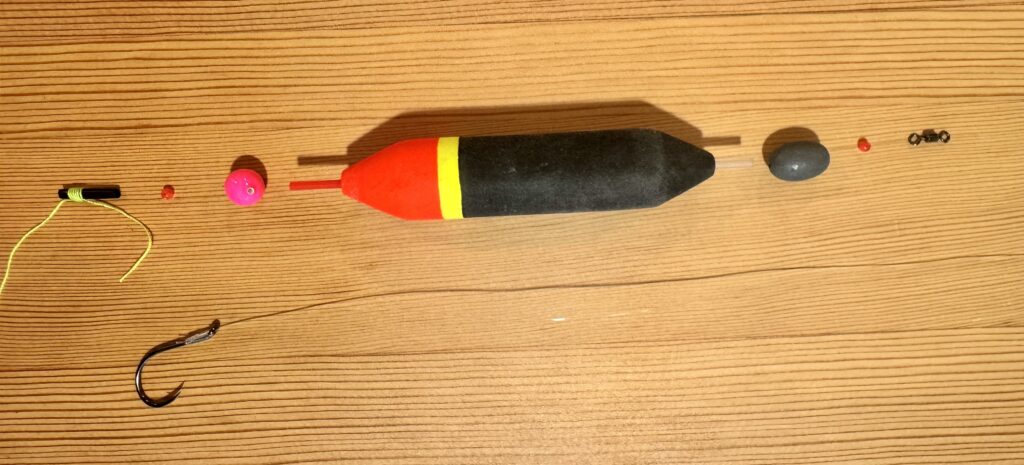
    The typical salmon float rig order from top to bottom looks like this:

    Bobber Stop

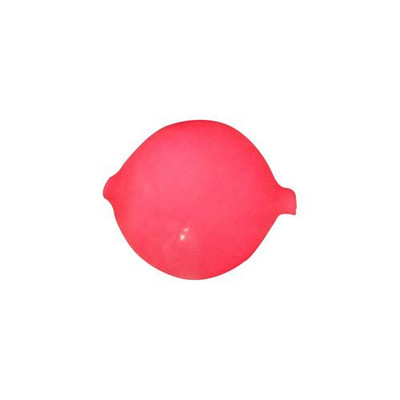
    Small Bead

    Corky

    Float

    Sliding Egg Weight

    Second Bead

    Swivel

    Leader

    Hook

    Each component in this rig serves a specific purpose. Below is a step-by-step explanation of how to build the setup and why each piece of terminal tackle is used.


    Step-by-Step: How to Rig a Salmon Float Setup


    Step 1 – Start With Your Mainline

    For salmon float fishing I usually run braided mainline because it casts well, floats better than mono, and offers excellent sensitivity. In many cases it is also more visible which makes it easy to keep your line mended properly.

    Most anglers running a float setup for Chinook use braided mainline in the 40–65 lb range because it casts well, floats better than mono, and offers excellent sensitivity for detecting subtle bites.

    For help choosing the right braided line, check out the guide below.

    Best Braided Fishing Line for Chinook Salmon


    Step 2 – Add a Bobber Stop

    Slide a bobber stop onto your mainline first.

    The bobber stop controls how deep your bait will fish and can be adjusted throughout the day as you dial in the correct depth.

    I personally prefer the knot style bobber stop. They are pre-tied and slide right onto the line. Remember to tighten them down so they hold in place and to trim off the tag ends. Do not trim the tag ends too short or you’ll never be able to re-tighten it if it starts to loosen over time. Leave just enough to be able to grab onto with your fingertips.


    Step 3 – Add a Small Bead

    Next add a small bead.

    This bead prevents the bobber stop from pulling through the float hardware.


    Step 4 – Add a Corky

    I like adding a corky above the float between the bead and float.

    This acts not only as an extra sight indicator for your bobber, but also as a tangle indicator.

    If the corky drifts away from the float or behaves strangely, your rig may be tangled and should be checked.


    Step 5 – Add the Float

    My go-to float is a Beau Mac Inline Slider EVA Float.

    a picture of multi-bright colored bobbers

    Why I prefer EVA floats:

    • durable
    • affordable
    • less fragile than balsa floats

    Inline slider floats also allow easy depth adjustment using the bobber stop.


    Step 6 – Add the Weight

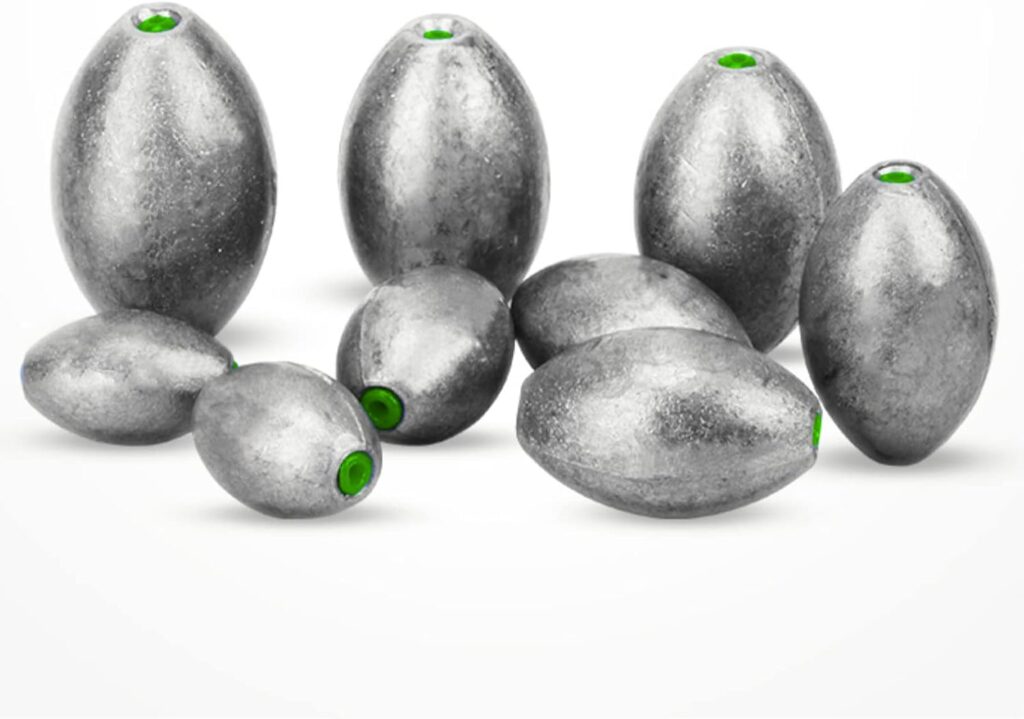
    Below the float I run a sliding egg weight.

    Typical sizes I use:

    1 oz for standard conditions
    1.5 oz for deeper or faster water

    a picture of multiple egg shaped lead weights

    Sometimes I also keep a few egg weights painted black for stealthier presentations in clear water. A leftover can of black spray paint comes in handy here.


    Step 7 – Add the Second Bead

    After the weight, add another small bead.

    This bead protects the knot at the swivel and prevents the weight from clinking directly against the swivel.


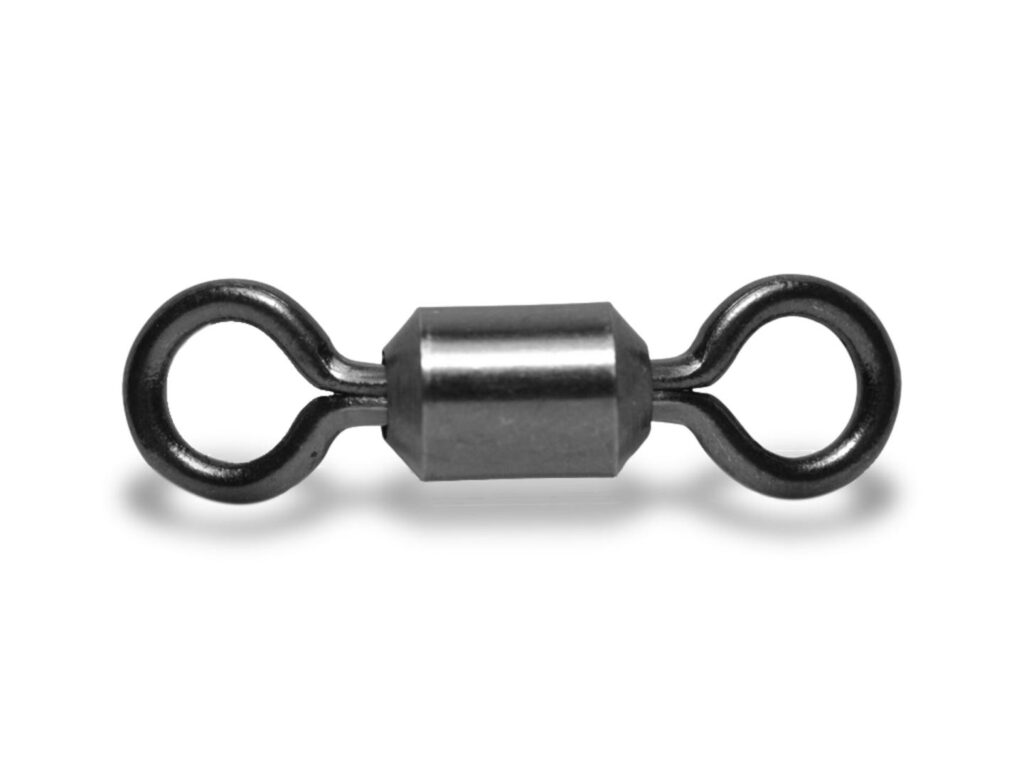
    Step 8 – Tie on a Swivel

    Tie your mainline to a swivel.

    If you’re new to fishing knots, take a look at the article below.

    Best Knots for Salmon and Steelhead Fishing


    Step 9 – Add Your Leader

    Tie a leader to the swivel.

    A good leader length for salmon float fishing is typically 24 to 36 inches, though this can vary depending on water clarity and fish behavior. If you’re unsure what leader material to use, here are some of the best leader lines for Chinook salmon.


    Step 10 – Tie on the Hook

    When fishing bait for Chinook, my preference is an octopus hook.

    My go-to brand:

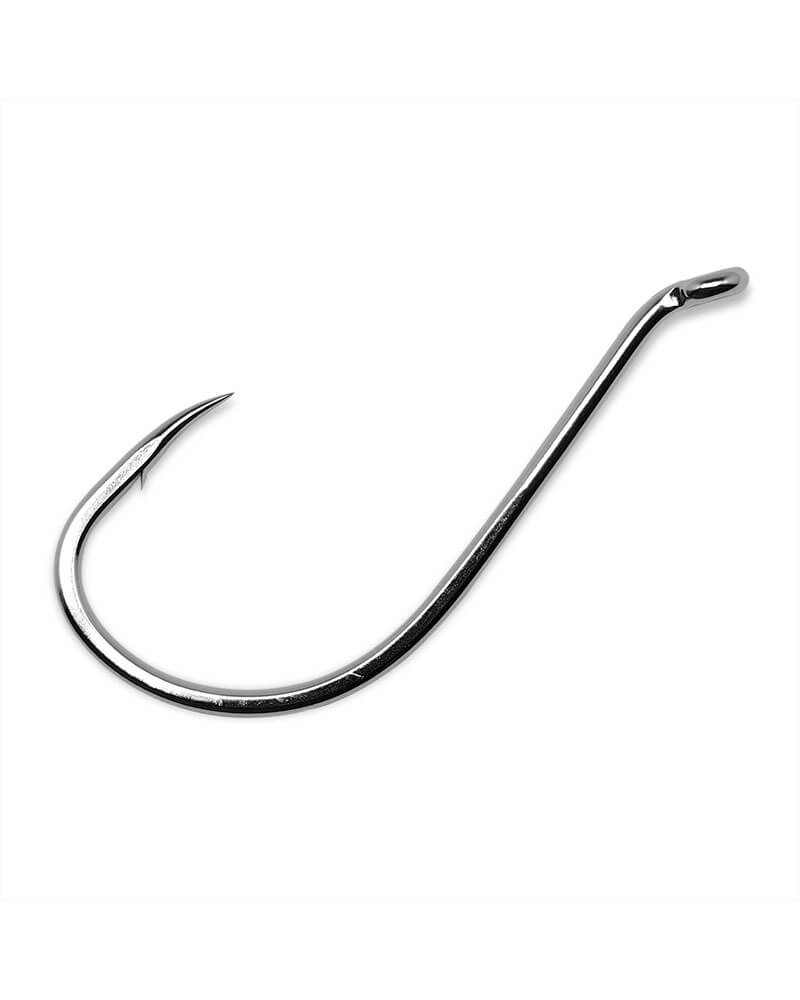
    Gamakatsu Octopus Hooks

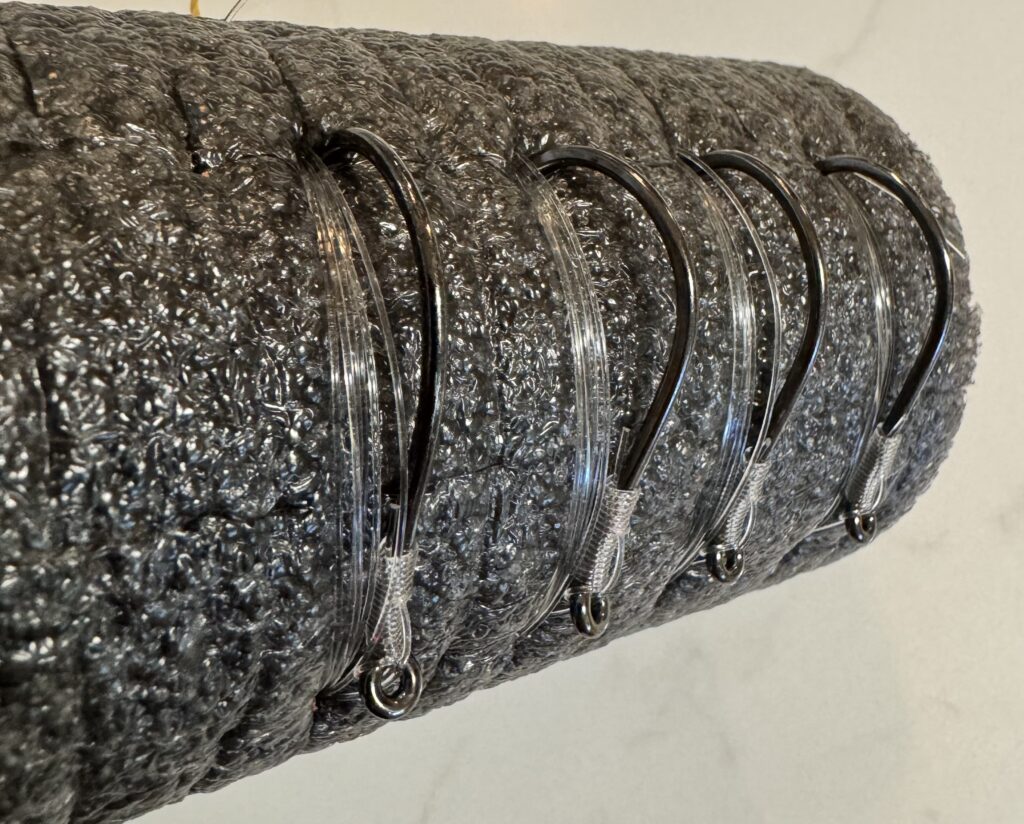
    a picture of a fishing hook

    Why octopus hooks work well:

    • wide gap keeps bait on the shank
    • exposed hook point improves hookups
    • hook rotates naturally in the fish’s mouth

    Typical sizes:

    5/0 for Chinook
    4/0 for stealthier conditions
    3/0 for coho

    I prefer barbed hooks, but always check local regulations because some rivers require barbless hooks.


    How to Set the Correct Depth

    Depth is one of the most important adjustments when float fishing for salmon.

    When I arrive at a new hole, I start by finding the bottom first.

    I gradually move the bobber stop deeper until the rig begins to scrape bottom during the drift.

    Once I locate the bottom, I move the stop shallower so my bait rides about one foot off the riverbed.

    From there I progressively work shallower in the water column until I start getting bites or decide to move to another spot.


    Reading Your Bobber

    Your float often tells you if your depth is correct.

    Bobber angled downstream

    If the bobber leans downstream, your rig is likely too deep and dragging bottom.

    Move the bobber stop shallower.

    I usually adjust in six-inch increments.


    Bobber angled upstream

    If the bobber angles slightly upriver, your bait is often too shallow.

    The current is pulling the bait faster than the float.

    Move the bobber stop deeper until the drift looks natural.


    Adjusting Weight for Faster Water

    If the current is moving quickly and your bait isn’t getting down fast enough, add more weight.

    More weight helps:

    • get your bait into the strike zone faster
    • slow your drift speed
    • improve presentation

    Sometimes you may also need a larger float to support the added weight.


    Where Float Fishing Works Best

    Float rigs are most effective in water where bait can drift naturally near the bottom.

    Look for:

    • tailouts below deeper holes
    • walking-speed runs
    • current seams
    • the head of a hole

    These areas allow salmon to travel while conserving energy.

    I’ll cover these areas in more detail in a future guide on how to read salmon water in Pacific Northwest rivers.


    Common Float Fishing Problems

    Float rig tangles

    Try:

    • shortening your leader
    • using slightly heavier weight
    • making smoother casts


    Bait not getting down

    Add more weight or move the bobber stop deeper.


    Missing bites

    Make sure:

    • your hook point is exposed
    • hooks are sharp
    • mend slack out of your line


    FAQ

    What is the best salmon float rig setup?

    A simple salmon float rig setup includes a bobber stop, bead, float, sliding egg weight, bead, swivel, leader, and an octopus hook. This setup allows bait like cured salmon eggs or eggs paired with sand shrimp to drift naturally through Pacific Northwest river runs while staying near the strike zone.

    How deep should a salmon float rig be?

    A good starting point is fishing your bait about one foot off the bottom. Many anglers begin by adjusting their bobber stop deeper until the rig occasionally scrapes bottom, then move the stop slightly shallower to keep the bait drifting just above the riverbed.

    What weight should I use for salmon float fishing?

    Most salmon anglers use 1 oz or 1.5 oz sliding egg weights depending on the river depth and current speed. Faster or deeper water usually requires more weight so the bait reaches the strike zone before drifting out of the run.

    What bait works best for salmon float fishing?

    One of the most consistent baits is cured salmon eggs (roe). Many anglers also pair eggs with sand shrimp to increase scent and visibility. In some situations, adding a piece of tuna belly can create a stronger scent trail that helps trigger bites.

    Why is my salmon float rig drifting sideways?

    If your bobber is leaning downstream, your rig is usually too deep and dragging bottom. If the bobber angles upriver, your bait may be too shallow and moving faster than the float. Adjusting the bobber stop in small increments will help dial in the correct depth

    Do I need braid or monofilament for salmon float fishing?

    Both can work, but many anglers prefer braided mainline because it offers better sensitivity and line control when drifting floats in moving water. Braid is typically paired with a fluorocarbon or monofilament leader tied to a swivel.

    How far off the bottom should bait be when float fishing for salmon?

    In most cases, your bait should drift about one foot off the bottom when float fishing for salmon. Many anglers find the bottom first by lowering the bobber stop until the rig occasionally scrapes bottom, then move the stop slightly shallower so the bait drifts just above the riverbed. Keeping your bait near the bottom is important because salmon typically travel close to the riverbed as they move upstream.

  • Terminal Tackle System for Salmon Fishing

    Hooks, Floats, Weights, and Rigging Explained

    Salmon float fishing terminal tackle system laid out in rigging order

    Affiliate Disclosure:
    Some of the links in this post are affiliate links. If you click through and make a purchase, I may earn a small commission at no extra cost to you. I only recommend gear I personally use or trust for Pacific Northwest salmon fishing.


    When people talk about salmon gear, most of the attention goes to rods and reels. But once your line is in the water, terminal tackle is what actually determines whether your presentation works or not.

    Terminal tackle is the final section of the system — hooks, floats, weights, swivels, and the way everything is rigged together. Small mistakes here can ruin an otherwise solid setup, while getting it right makes your bait look natural and keeps fish pinned when it matters.

    This post focuses specifically on salmon fishing, with an emphasis on Chinook, and notes for coho where relevant. While some concepts overlap, steelhead float fishing uses different float sizes, weight systems, and hook choices, and deserves its own dedicated breakdown.

    This guide breaks down the terminal tackle for salmon fishing I actually use, including hooks, floats, weights, and how I rig everything together for Pacific Northwest rivers.


    What “Terminal Tackle” Means in a Salmon Fishing System

    Terminal tackle includes everything tied on after your mainline and leader — the pieces closest to the fish. This is where abrasion, visibility, noise, and rig balance all come into play.

    If you want a deeper look at why strong, reliable connections matter throughout the system, see my guide on
    → internal link: Best Knots for Salmon and Steelhead Fishing

    Terminal tackle doesn’t work in isolation. It only performs well when:

    • Your mainline choice is right
    • Your leader material and strength are correct
    • Your knots are solid

    This post focuses on that final stretch — where presentations succeed or fail.


    Hooks for Salmon Fishing

    Why I Prefer Octopus Hooks for Bait Fishing Chinook

    When fishing bait for Chinook — primarily cured eggs or eggs with shrimp — I strongly prefer octopus hooks.

    The main reason is the gap. With bait fishing, you want:

    • The bait to sit naturally on the hook shank
    • The hook point and barb to remain fully exposed and unobstructed

    Soft baits can easily block narrow-gap hooks, leading to missed hooksets. Octopus hooks give enough room for the bait while still leaving plenty of bite.

    Octopus hooks are also shaped in a way that helps them rotate in the fish’s mouth. They aren’t true circle hooks, but the slightly turned-in point and rounded bend help the hook find purchase instead of just pulling straight out — especially when float fishing or drifting.


    Strength and Sharpness Matter More Than People Think

    Chinook will find weak points fast.

    I want a hook that is:

    • Stout enough not to bend or break under pressure
    • Razor sharp out of the package so it penetrates immediately

    With bait fishing, you’re not always driving the hook home aggressively. Penetration has to happen quickly and cleanly.


    My Go-To Hook and Sizes

    Primary choice:
    Gamakatsu Octopus Hooks

    Sizes I use:

    • 5/0 — Chinook salmon in normal conditions (my default)
    • 4/0 — Clear water or smaller bait when a stealthier approach matters
    • 3/0 — Coho salmon

    This sizing gives enough gap for bait while keeping profiles appropriate for conditions and species.

    a picture of a fishing hook

    Barbed vs Barbless Hooks (Important Note)

    I generally prefer barbed hooks, as they reduce the chances of a fish throwing the hook once it’s pinned.

    That said, every angler needs to check their local fish and wildlife regulations. Some rivers or seasons require barbless hooks, and those rules always come first.


    Floats and Bobbers for Floating Salmon Baits

    My Go-To Float for Floating Baits

    When floating baits, my go-to float is a Beau Mac inline slider EVA plastic float.

    Inline slider floats make depth control simple and consistent, especially in varying river conditions. Floats aren’t cheap, so I look for a balance between price and durability.

    EVA plastic hits that middle ground.

    a picture of a two pack of multi-colored fishing bobbers

    EVA Plastic vs Foam vs Balsa Floats

    • Foam floats are cheaper, but less durable and rarely last season after season.
    • EVA plastic floats cost a bit more but hold up far better over time.
    • Balsa wood floats are sensitive and effective, but if you’ve ever watched a float drift downriver, you know how painful it is to lose an expensive one.

    EVA plastic offers durability without turning every lost float into a bad day.


    Beads and Bobber Stops

    Inline slider floats typically come with:

    • Small beads
    • Bobber stops

    These handle depth adjustment and component protection, so you usually don’t need to buy anything extra.


    Weights for Bobber Fishing Salmon

    Sliding Egg Weights (Simple and Reliable)

    For bobber fishing, I typically run lead sliding egg weights.

    They’re:

    • Simple
    • Reliable
    • Inexpensive
    • Easy to adjust

    They get the job done without unnecessary complexity.

    a picture of multiple lead egg shaped fishing weights

    Matching Weight to Bobber Size

    I match my weight to my float size:

    • 1 oz for normal water conditions
    • 1.5 oz when fishing faster or deeper water

    If 1 oz isn’t getting the bait into the strike zone early enough in the drift, I bump up to 1.5 oz.


    Stealth Adjustments

    I keep a few egg weights painted flat black in my tackle box. In clear or pressured water, reducing visibility can make a difference.


    Swivels and Small Hardware That Matter

    Why I Use a Rolling Swivel Instead of a Standard Barrel Swivel

    As swivel strength increases, standard barrel swivels become bulky. With Chinook fishing, you need strength — but bulk adds visibility.


    My Go-To Swivel

    I use a VMC stainless steel rolling swivel.

    At the same strength, it’s noticeably smaller than a standard barrel swivel, which means less hardware for fish to see.

    For Chinook salmon, I run the 50 lb test version.

    a picture of a steel fishing swivel

    My Exact Salmon Float Rig Setup (Step-by-Step)

    This is my float rig order from top to bottom on the mainline:

    1. Bobber stop
    2. Small bead
    3. Corky
    4. Bobber
    5. Sliding egg weight
    6. Second small bead
    7. Swivel

    Why the Second Bead Matters

    The second bead below the weight does two important things:

    • Protects the knot from abrasion caused by the sliding weight
    • Prevents the weight from making a clinking noise if it contacts the swivel

    Both matter more than people realize.


    Corky Placement and Purpose

    I place a bright-colored corky directly above the float.

    It serves two purposes:

    • Improves visibility when tracking your float
    • Acts as a tangle indicator

    If the corky is floating in the water off the float, something is tangled and the presentation is wrong. Reel in and fix it.

    a picture of a bright pink fishing corky

    A size 10 or 12 is usually what I use.


    Leader Setup

    Below the swivel, I tie my leader.

    I usually run pre-tied leaders around 3 feet long, with the hooks already tied. This saves time on the river and keeps things simple.

    a picture of pre-tied salmon hook leaders wrapped around a foam noodle

    How Terminal Tackle Ties the Whole Salmon System Together

    Terminal tackle is only as good as the system feeding into it. When your mainline, leader, knots, and terminal components all work together, your presentation looks natural and your hookups improve.

    If you want to dial in the rest of the system, start here:

    This is the terminal tackle system I actually use for salmon fishing — simple, durable, and built for real Pacific Northwest river conditions.