Affiliate Disclosure:
Some links on this page are affiliate links. If you purchase through them, I may earn a small commission at no extra cost to you. I only recommend gear I personally use or would confidently fish in Pacific Northwest rivers.
How to Set Up a Salmon Float Rig
Float fishing is one of the most consistent ways to catch salmon in Pacific Northwest rivers because it keeps your bait drifting naturally while staying in the strike zone.
When set up correctly, a float rig allows you to present bait at a precise depth while covering water efficiently. Most of the salmon I’ve caught in Oregon rivers have come on some variation of this setup.
Most anglers fish this setup with spinning gear because it handles long drifts and light terminal tackle well. If you’re building a float fishing setup, take a look at some of the best spinning reels for Chinook salmon that work well for river fishing.
Below is the exact salmon float rig setup I use, including the rig order, gear, bait choices, and depth adjustments that keep your bait in front of fish.
Many of the components used in this setup are part of a larger terminal tackle system for salmon fishing that anglers rely on throughout the Pacific Northwest.
Table of Contents
What This Rig Is Best For
This float rig works especially well when fishing:
• cured salmon eggs
• eggs paired with shrimp
• bait presentations drifting through runs and tailouts
It works extremely well for Chinook salmon, but the same system is commonly used for coho and steelhead.
Baits I Typically Fish Under a Float
When fishing this setup, I most often run cured salmon eggs (roe) as my primary bait.
Eggs are one of the most consistent baits for Chinook because they produce a strong scent trail that salmon can pick up as they move upstream.
In many PNW rivers, a small cluster of cured eggs paired with a sand shrimp is one of the most reliable bait combinations you can fish under a float.
Sometimes I’ll run eggs alone, but I frequently add fresh sand shrimp to increase scent and visibility. Even something as simple as adding just the shrimp tail can make a difference.
Another bait I occasionally fish under a float is tuna belly. Tuna belly is oily and durable, and it can work especially well in rivers closer to saltwater where salmon are still aggressive. Don’t be afraid to use it in rivers that are further inland.
I’ll also experiment with different scent products depending on conditions. There are a lot of good scents on the market, and sometimes adding scent to your bait can help fish track it down more easily. I’ll cover that in more detail in a future guide on scents for Chinook fishing.
The “Perfect Chinook Cocktail”
Sometimes when the bite is tough, I’ll run what I jokingly call the “perfect Chinook cocktail.”
This setup uses all three baits together:
• cured eggs
• a sand shrimp (or just the tail)
• a chunk of tuna belly
This combination creates a strong scent profile and a larger bait presentation.
Sometimes this cocktail outperforms everything else, and occasionally it’s the only thing that will entice a bite.
Other times it won’t get touched at all.
That’s part of salmon fishing. You often have to constantly adjust bait, scent, and presentation until something works.
Salmon Float Rig Order (Top to Bottom)
The order of your rig matters for preventing tangles and maintaining a natural drift.
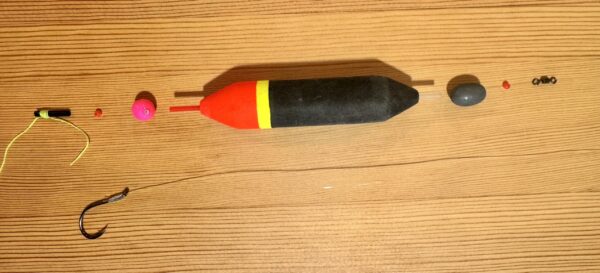
The typical salmon float rig order from top to bottom looks like this:
Bobber Stop
↓
Small Bead
↓
Corky
↓
Float
↓
Sliding Egg Weight
↓
Second Bead
↓
Swivel
↓
Leader
↓
Hook
Each component in this rig serves a specific purpose. Below is a step-by-step explanation of how to build the setup and why each piece of terminal tackle is used.
Step-by-Step: How to Rig a Salmon Float Setup
Step 1 – Start With Your Mainline
For salmon float fishing I usually run braided mainline because it casts well, floats better than mono, and offers excellent sensitivity. In many cases it is also more visible which makes it easy to keep your line mended properly.
Most anglers running a float setup for Chinook use braided mainline in the 40–65 lb range because it casts well, floats better than mono, and offers excellent sensitivity for detecting subtle bites.
For help choosing the right braided line, check out the guide below.
Best Braided Fishing Line for Chinook Salmon
Step 2 – Add a Bobber Stop
Slide a bobber stop onto your mainline first.
The bobber stop controls how deep your bait will fish and can be adjusted throughout the day as you dial in the correct depth.
I personally prefer the knot style bobber stop. They are pre-tied and slide right onto the line. Remember to tighten them down so they hold in place and to trim off the tag ends. Do not trim the tag ends too short or you’ll never be able to re-tighten it if it starts to loosen over time. Leave just enough to be able to grab onto with your fingertips.
Step 3 – Add a Small Bead
Next add a small bead.
This bead prevents the bobber stop from pulling through the float hardware.
Step 4 – Add a Corky
I like adding a corky above the float between the bead and float.
This acts not only as an extra sight indicator for your bobber, but also as a tangle indicator.
If the corky drifts away from the float or behaves strangely, your rig may be tangled and should be checked.
Step 5 – Add the Float
My go-to float is a Beau Mac Inline Slider EVA Float.
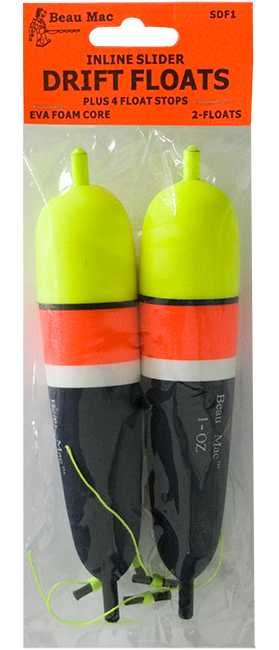
Why I prefer EVA floats:
• durable
• affordable
• less fragile than balsa floats
Inline slider floats also allow easy depth adjustment using the bobber stop.
Step 6 – Add the Weight
Below the float I run a sliding egg weight.
Typical sizes I use:
• 1 oz for standard conditions
• 1.5 oz for deeper or faster water
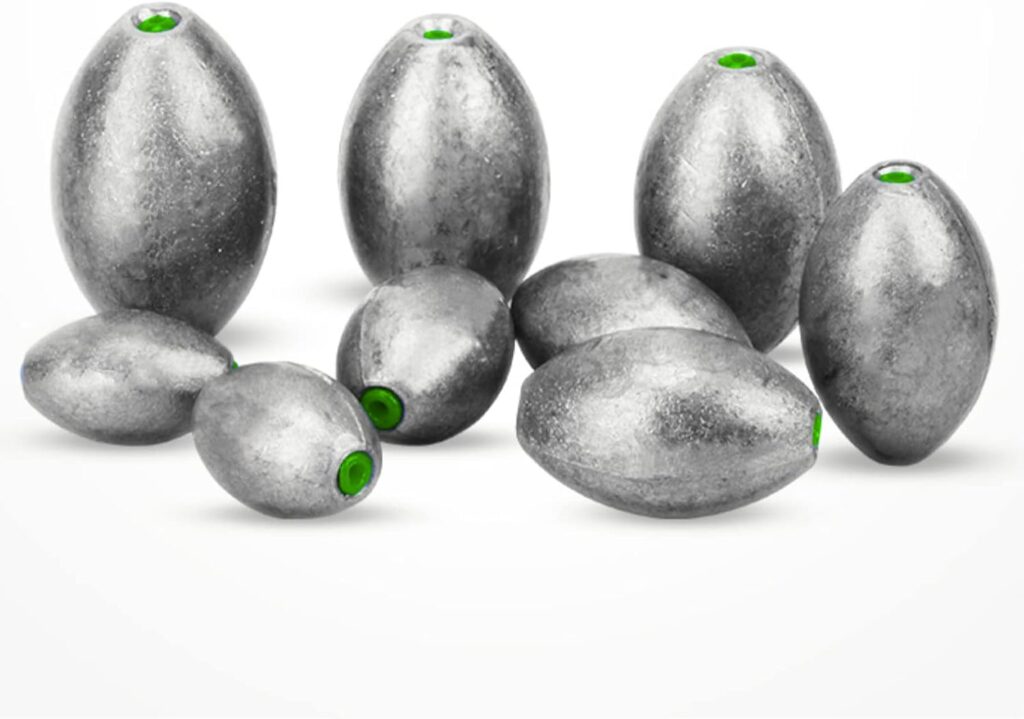
Sometimes I also keep a few egg weights painted black for stealthier presentations in clear water. A leftover can of black spray paint comes in handy here.
Step 7 – Add the Second Bead
After the weight, add another small bead.
This bead protects the knot at the swivel and prevents the weight from clinking directly against the swivel.
Step 8 – Tie on a Swivel
Tie your mainline to a swivel.
If you’re new to fishing knots, take a look at the article below.
Best Knots for Salmon and Steelhead Fishing
Step 9 – Add Your Leader
Tie a leader to the swivel.
A good leader length for salmon float fishing is typically 24 to 36 inches, though this can vary depending on water clarity and fish behavior. If you’re unsure what leader material to use, here are some of the best leader lines for Chinook salmon.
Step 10 – Tie on the Hook
When fishing bait for Chinook, my preference is an octopus hook.
My go-to brand:
Gamakatsu Octopus Hooks
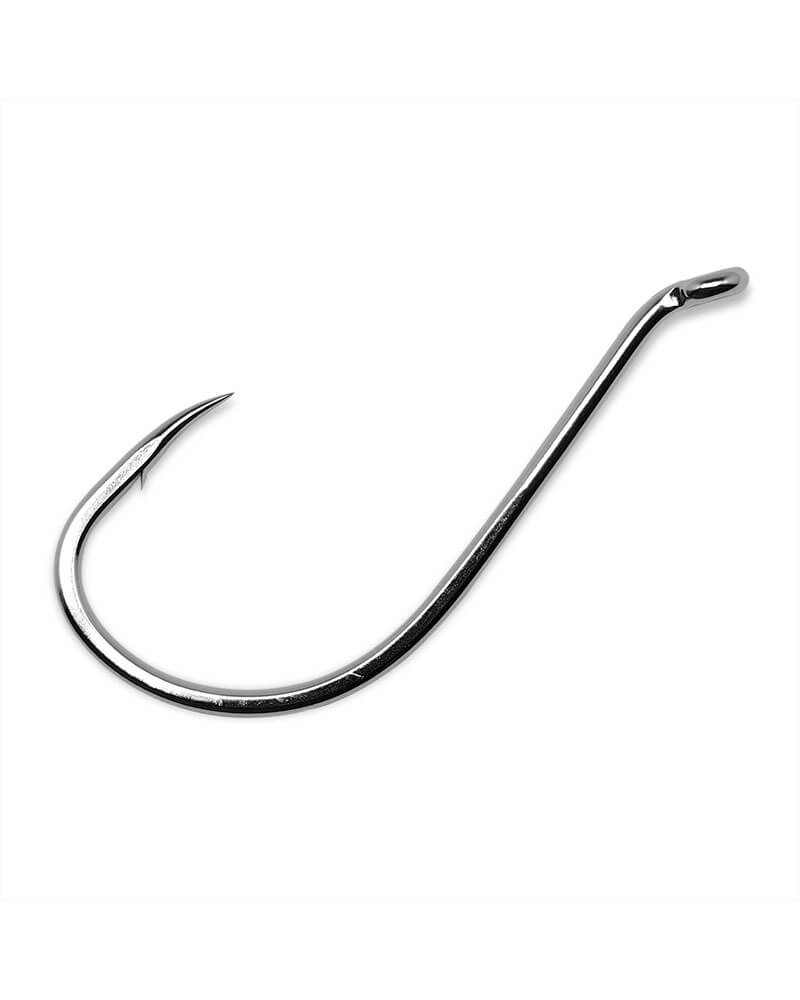
Why octopus hooks work well:
• wide gap keeps bait on the shank
• exposed hook point improves hookups
• hook rotates naturally in the fish’s mouth
Typical sizes:
• 5/0 for Chinook
• 4/0 for stealthier conditions
• 3/0 for coho
I prefer barbed hooks, but always check local regulations because some rivers require barbless hooks.
How to Set the Correct Depth
Depth is one of the most important adjustments when float fishing for salmon.
When I arrive at a new hole, I start by finding the bottom first.
I gradually move the bobber stop deeper until the rig begins to scrape bottom during the drift.
Once I locate the bottom, I move the stop shallower so my bait rides about one foot off the riverbed.
From there I progressively work shallower in the water column until I start getting bites or decide to move to another spot.
Reading Your Bobber
Your float often tells you if your depth is correct.
Bobber angled downstream
If the bobber leans downstream, your rig is likely too deep and dragging bottom.
Move the bobber stop shallower.
I usually adjust in six-inch increments.
Bobber angled upstream
If the bobber angles slightly upriver, your bait is often too shallow.
The current is pulling the bait faster than the float.
Move the bobber stop deeper until the drift looks natural.
Adjusting Weight for Faster Water
If the current is moving quickly and your bait isn’t getting down fast enough, add more weight.
More weight helps:
• get your bait into the strike zone faster
• slow your drift speed
• improve presentation
Sometimes you may also need a larger float to support the added weight.
Where Float Fishing Works Best
Float rigs are most effective in water where bait can drift naturally near the bottom.
Look for:
• tailouts below deeper holes
• walking-speed runs
• current seams
• the head of a hole
These areas allow salmon to travel while conserving energy.
I’ll cover these areas in more detail in a future guide on how to read salmon water in Pacific Northwest rivers.
Common Float Fishing Problems
Float rig tangles
Try:
• shortening your leader
• using slightly heavier weight
• making smoother casts
Bait not getting down
Add more weight or move the bobber stop deeper.
Missing bites
Make sure:
• your hook point is exposed
• hooks are sharp
• mend slack out of your line
FAQ
What is the best salmon float rig setup?
A simple salmon float rig setup includes a bobber stop, bead, float, sliding egg weight, bead, swivel, leader, and an octopus hook. This setup allows bait like cured salmon eggs or eggs paired with sand shrimp to drift naturally through Pacific Northwest river runs while staying near the strike zone.
How deep should a salmon float rig be?
A good starting point is fishing your bait about one foot off the bottom. Many anglers begin by adjusting their bobber stop deeper until the rig occasionally scrapes bottom, then move the stop slightly shallower to keep the bait drifting just above the riverbed.
What weight should I use for salmon float fishing?
Most salmon anglers use 1 oz or 1.5 oz sliding egg weights depending on the river depth and current speed. Faster or deeper water usually requires more weight so the bait reaches the strike zone before drifting out of the run.
What bait works best for salmon float fishing?
One of the most consistent baits is cured salmon eggs (roe). Many anglers also pair eggs with sand shrimp to increase scent and visibility. In some situations, adding a piece of tuna belly can create a stronger scent trail that helps trigger bites.
Why is my salmon float rig drifting sideways?
If your bobber is leaning downstream, your rig is usually too deep and dragging bottom. If the bobber angles upriver, your bait may be too shallow and moving faster than the float. Adjusting the bobber stop in small increments will help dial in the correct depth
Do I need braid or monofilament for salmon float fishing?
Both can work, but many anglers prefer braided mainline because it offers better sensitivity and line control when drifting floats in moving water. Braid is typically paired with a fluorocarbon or monofilament leader tied to a swivel.
How far off the bottom should bait be when float fishing for salmon?
In most cases, your bait should drift about one foot off the bottom when float fishing for salmon. Many anglers find the bottom first by lowering the bobber stop until the rig occasionally scrapes bottom, then move the stop slightly shallower so the bait drifts just above the riverbed. Keeping your bait near the bottom is important because salmon typically travel close to the riverbed as they move upstream.