Affiliate Disclosure: This post may contain affiliate links. As an Amazon Associate, I may earn from qualifying purchases at no extra cost to you.
Wet wading is one of the most comfortable ways to fish a river in warm weather, but only if you have the right footwear. The best wet wading shoes for river fishing should drain fast, protect your toes, grip slick rocks, and work comfortably with wet wading socks.
This is not the same as wearing full stockingfoot waders and wading boots. Wet wading shoes are for summer river fishing, shallow water, gravel bars, warm afternoons, trout and smallmouth sessions, early fall coho conditions, and those days when pulling on full waders just does not make sense.
Basic beach shoes or flimsy water socks are not something I would trust for serious river fishing. They might be fine around a boat ramp or campground, but they usually do not have the traction, structure, or toe protection you need for slick rocks and uneven riverbanks.
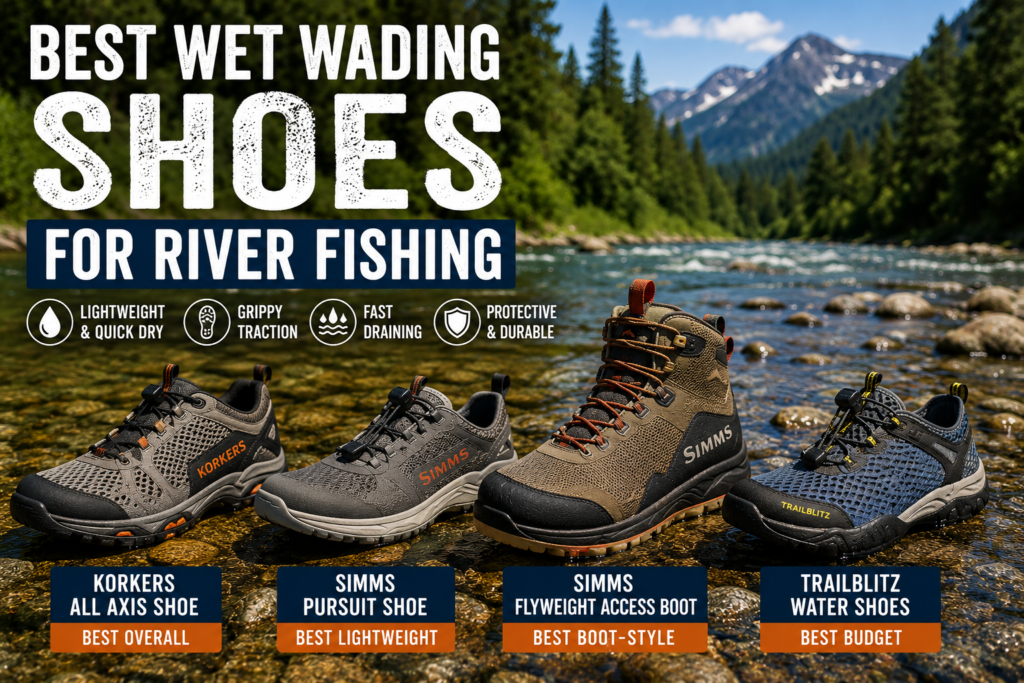
Below are the wet wading shoes I would look at first.
Quick Picks: Best Wet Wading Shoes for River Fishing
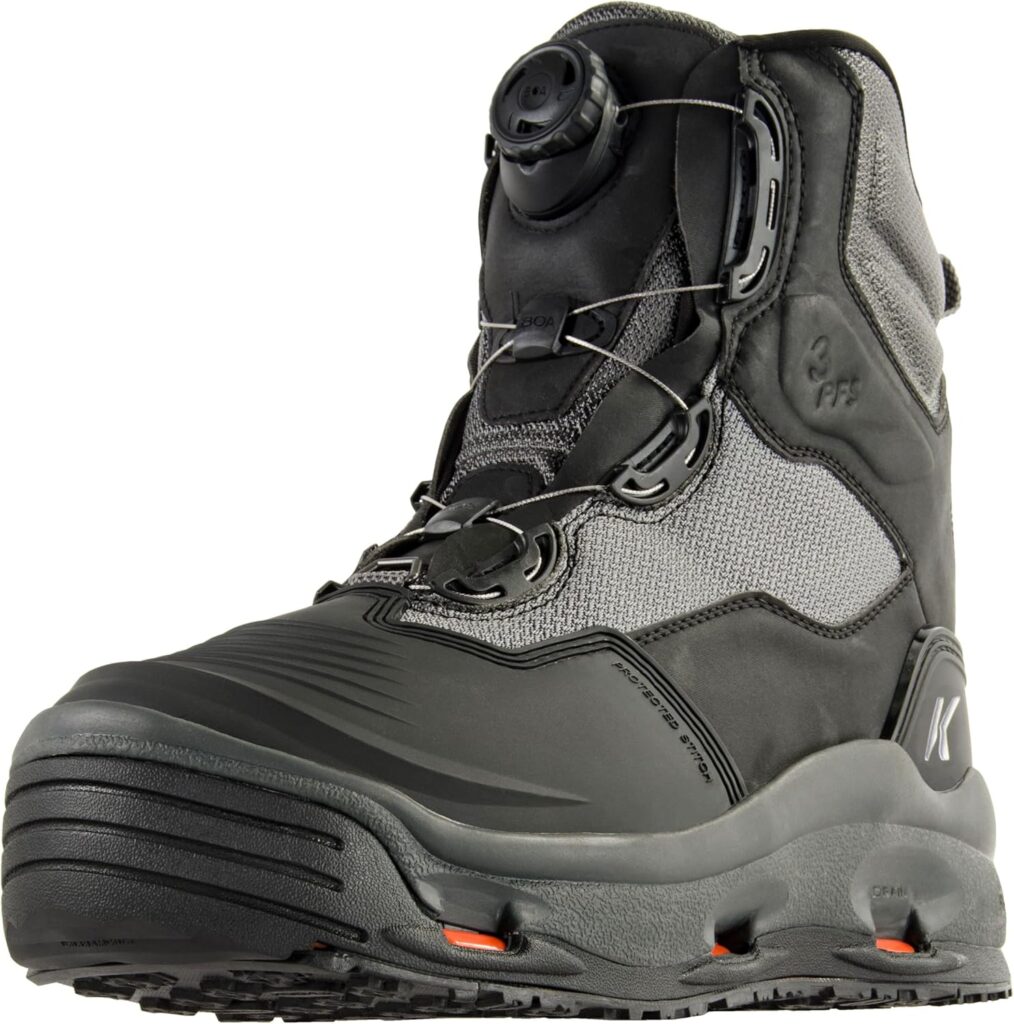
Best Overall: Korkers Men’s All Axis Shoe
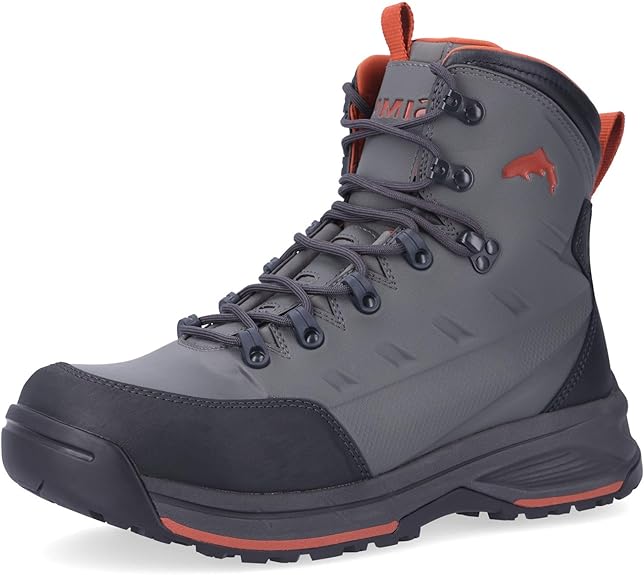
Best Lightweight: Simms Pursuit Shoe
Best Boot-Style Option: Simms Flyweight Access Boot Vibram
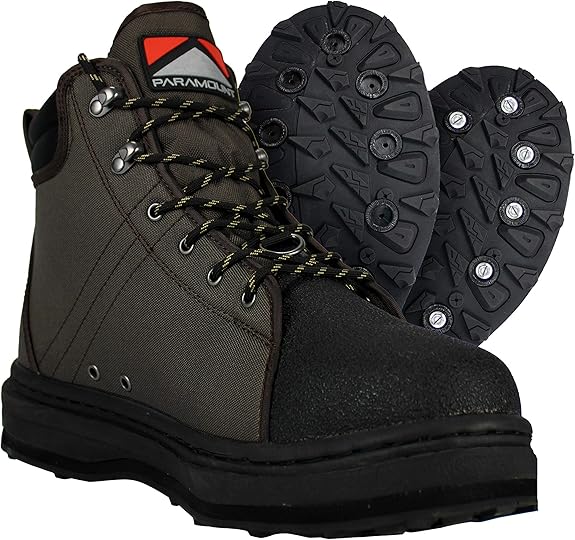
Best Budget: Trailblitz Quick-Drying Water Shoes
Table of Contents
Best Wet Wading Shoes for River Fishing Compared
| Wet Wading Shoe | Best For | Style | Main Strength | Price | Check Price |
|---|---|---|---|---|---|
| Korkers Men’s All Axis Shoe | Best overall wet wading shoe | Low-cut water shoe | Interchangeable soles, drainage, and protection | About $139.99 | CHECK PRICE ON AMAZON |
| Simms Pursuit Shoe | Best lightweight wet wading shoe | Low-cut wet wading shoe | Lightweight comfort and quick adjustment | About $150 | CHECK PRICE ON AMAZON |
| Simms Flyweight Access Boot Vibram | Best boot-style wet wading shoe | Supportive wet wading boot | More ankle support and Vibram traction | About $149.98 | CHECK PRICE AT SIMMS |
| Trailblitz Quick-Drying Water Shoes | Best budget wet wading shoe | Budget water shoe | Low price with closed-toe protection | About $43.99 | CHECK PRICE ON AMAZON |
Why Wet Wading Shoes Matter for River Fishing
Wet wading looks simple until you spend a few hours on slick rocks in the wrong footwear.
Regular water shoes are often too soft. Sandals leave your toes wide open. Hiking shoes hold water and turn into dead weight. Barefoot-style water socks usually do not have enough sole protection for river rock, gravel, basalt, submerged wood, and the kind of uneven bank edges you run into on most Northwest rivers.
A good wet wading shoe gives you the comfort of a summer water shoe with the traction and protection you actually need to fish.
That matters when you are walking gravel bars, crossing shallow side channels, working through riffles, or picking your way along slick rock ledges. Even in warm water, your feet still need grip, drainage, and protection from what is sitting on the bottom.
If you are fishing with stockingfoot waders, this is a different setup entirely. For that, see my guide to the best wading boots for salmon fishing.
Best Overall Wet Wading Shoe: Korkers Men’s All Axis Shoe
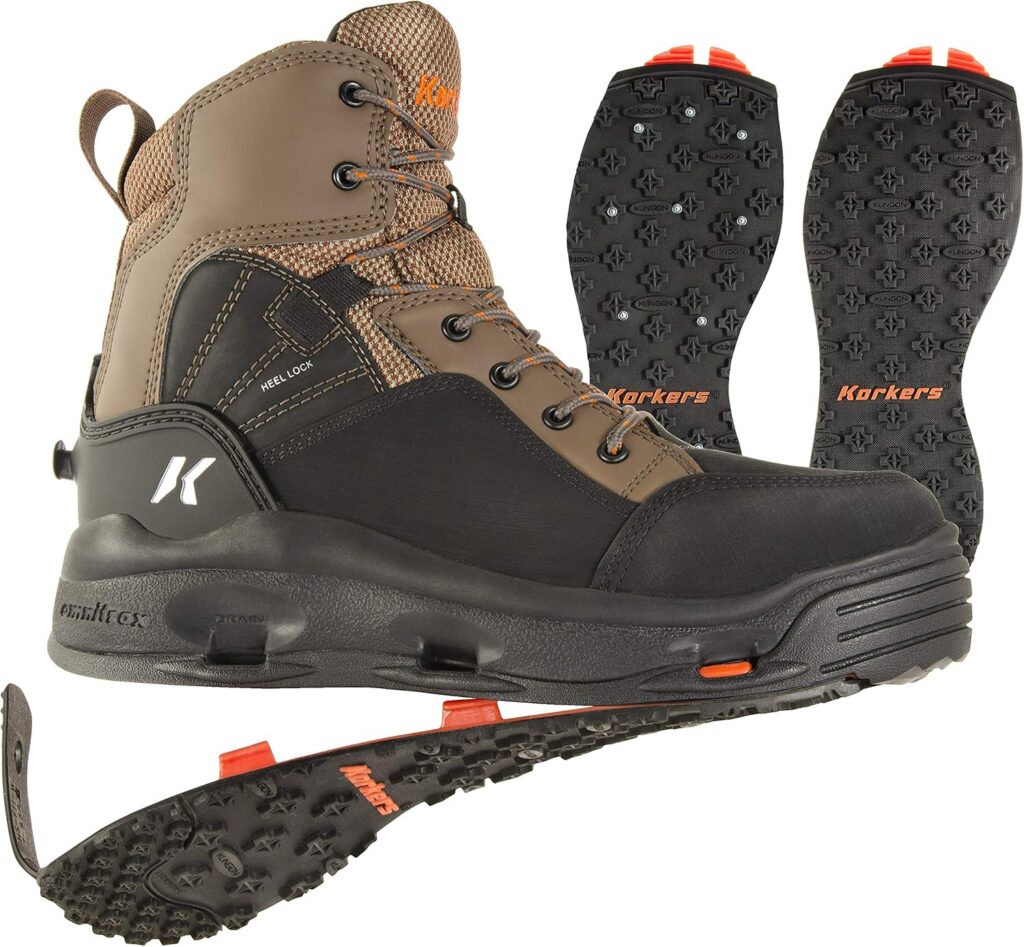
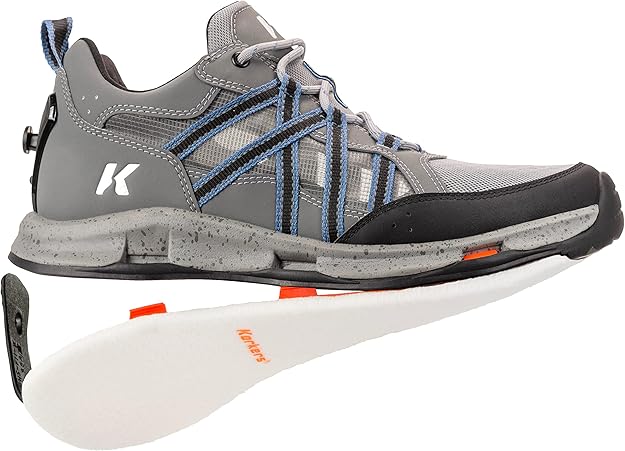
The Korkers Men’s All Axis Shoe is my top overall pick because it feels purpose-built for warm-weather river fishing, not just a casual water shoe with a fishing label slapped on it.
It is built for summer river use, with Korkers’ OmniTrax interchangeable sole system, fast-drying hydrophobic materials, mono-mesh side panels, internal drainage channels, and real toe and underfoot protection.
That combination is exactly what I want. It is lighter and cooler than a full wading boot, but still more serious than a cheap aqua shoe or sandal.
Specs:
Price: About $139.99
Best for: Most warm-weather river anglers
Style: Low-cut wet wading shoe
Traction: OmniTrax interchangeable sole system
Main reason to buy: Real river traction and protection in a warm-weather wet wading shoe
My take:
If I were buying one wet wading shoe for summer river fishing, this is the one I would look at first.
The biggest advantage is the OmniTrax sole system. Being able to swap soles matters when you fish different rivers. Gravel, slick rock, algae-covered ledges, mud, and uneven bank trails do not all feel the same underfoot, and having options gives you more control over your footing.
The hydrophobic materials and internal drainage matter too. Wet wading shoes should not feel like waterlogged sneakers. They need to shed water fast so your feet are not dragging extra weight every time you take a step.
The covered toe and underfoot sole plate round it out. If you have ever kicked a submerged rock, wedged your foot between river stones, or come down hard on sharp gravel, you already know why flimsy water shoes are not enough.
This is not the cheapest option, but it is the best fit for an angler who wants a legitimate warm-weather wet wading shoe for actual river fishing.
Best Lightweight Wet Wading Shoe: Simms Pursuit Shoe
The Simms Pursuit Shoe is what I would look at if you want something lighter, lower profile, and more comfortable for warm summer days on the water.
It has a quick-lacing system, a non-marking siped outsole for wet-surface traction, and it is designed to be worn with thin wet wading socks for a better overall fit.
Compared to the Korkers All Axis, the Pursuit leans more toward lightweight comfort. It is not the shoe I would choose for the roughest banks or the most technical footing, but for warmer days, easier access, and anglers who want less bulk, it makes a lot of sense.
Specs:
Price: About $150
Best for: Lightweight summer wet wading
Style: Low-cut wet wading shoe
Traction: Non-marking siped outsole
Main reason to buy: Lightweight comfort with easy fit adjustment
My take:
The Simms Pursuit is a good choice if you want a wet wading shoe that keeps things simple.
The quick-lacing system is useful. You can adjust the fit on the fly without fighting long laces around fishing line, brush, and moving water. I also appreciate that Simms specifically designed this shoe to pair with thin wet wading socks.
That is a detail worth paying attention to. Wet wading barefoot is fine for about ten minutes, then sand, gravel, and wet skin start doing their thing. A thin wet wading sock gives you a more comfortable fit and keeps grit away from your feet.
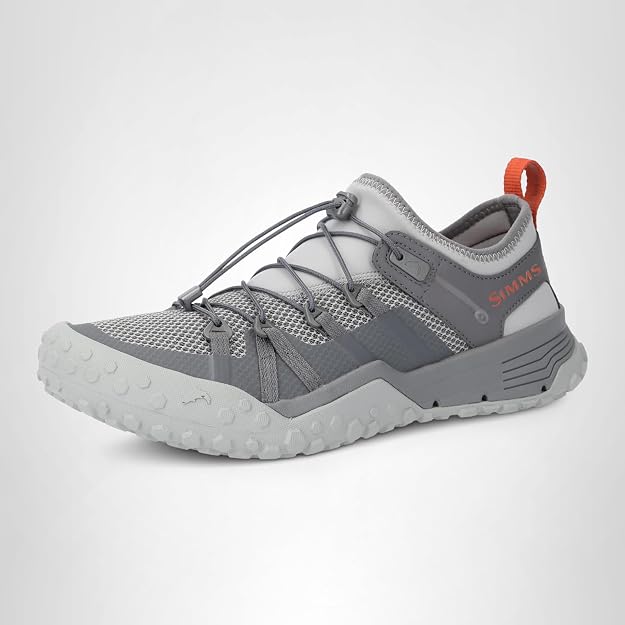
For light summer river fishing, trout, smallmouth, and shallow warm-weather sessions, the Pursuit is one of the cleaner options out there.
Best Boot-Style Wet Wading Shoe: Simms Flyweight Access Boot Vibram
The Simms Flyweight Access Boot Vibram is what I would look at if you want more support than a low-cut wet wading shoe can give you, but do not want the bulk of a traditional wading boot.
This is the most boot-like option in this lineup. It gives you more ankle coverage, more structure, and a more secure feel for rougher banks and longer walks between spots.
That makes it a good fit for anglers who wet wade in places where the approach is just as demanding as the water itself. If you are walking trails, climbing over rock, stepping through shallow current, and fishing uneven banks all in one day, the extra support can make a real difference.
Specs:
Price: About $149.98
Best for: Anglers who want more support while wet wading
Style: Lightweight boot-style wet wading shoe
Traction: Vibram outsole
Main reason to buy: More support and structure than a low-cut wet wading shoe
My take:
The Simms Flyweight Access Boot Vibram is the pick for the angler who wants a more secure setup on the water.
A low-cut shoe works great when the water is warm and the walking is easy. But some rivers are not that friendly. Rocky banks, uneven ledges, longer access trails, and pushy shallows can make a little more ankle coverage feel worthwhile pretty quickly.
This still belongs in a warm-weather wet wading article because it keeps the lightweight idea intact. It is more supportive than the Simms Pursuit and more boot-like than the Korkers All Axis, without crossing into full wading boot territory.
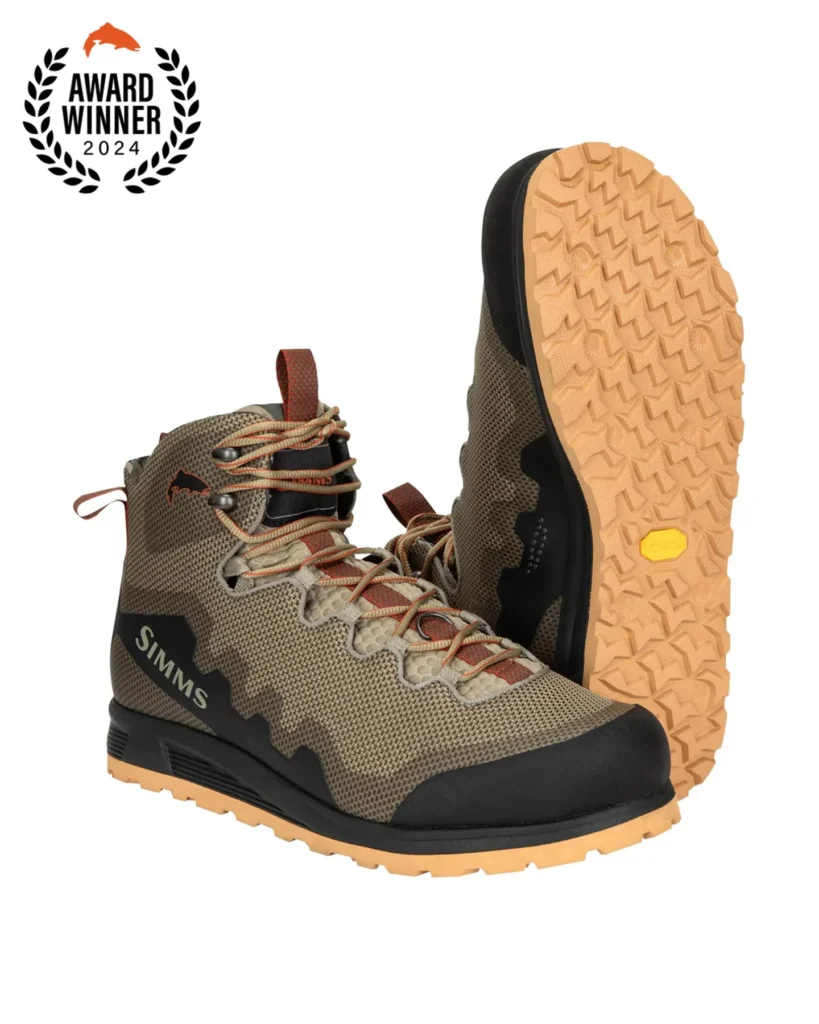
One note: this one is not currently available on Amazon. If you want to keep everything in one place, I would lean toward the Korkers or Pursuit. But as a product, the Flyweight Access fills the boot-style slot well.
Best Budget Wet Wading Shoe: Trailblitz Quick-Drying Water Shoes
The Trailblitz Quick-Drying Water Shoes are the budget pick for anglers who only wet wade a few times per summer and do not want to spend $140 or more on footwear.
These are not in the same class as Korkers or Simms. I am not going to pretend otherwise. But they are a better call than flip-flops, open-toe sandals, or thin water socks if you want a cheap closed-toe option for occasional river use.
They have a mesh upper, drainage holes, a lace-lock adjustment, toe protection, and a thicker sole than most cheap water shoes.
Specs:
Price: About $43.99
Best for: Occasional summer wet wading on a budget
Style: Quick-drying water shoe
Traction: Slip-resistant outsole
Main reason to buy: Low price with better protection than basic water socks
My take:
This is the shoe I would include for someone who wants to try wet wading without committing a lot of money to it.
The Trailblitz is not a high-end fishing shoe, and I would not expect it to hold up like the Korkers or Simms options. But for the price, it checks the basic boxes better than most cheap water footwear.
The closed toe matters. The thicker sole matters. The drainage holes and mesh help keep the shoe from holding water, and the design at least tries to keep bigger gravel from working its way inside.
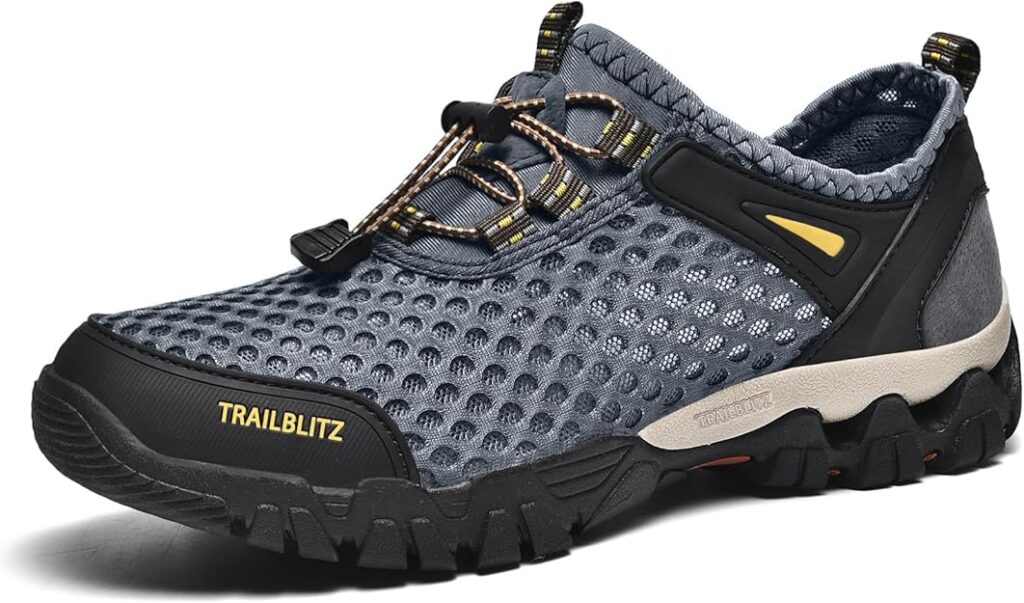
For serious river fishing, I would rather have the Korkers or Simms. For occasional summer use, camping trips, light river walks, or someone who just wants an inexpensive starting point, this one makes sense.
What to Look for in Wet Wading Shoes
Wet wading shoes do not need to be complicated, but they do need to do a few things well.
Traction on Slick River Rock
Traction is the biggest reason to buy actual wet wading shoes instead of basic beach footwear.
River rock can be covered in algae, silt, moss, and moving water. Even shallow current can put you on your back if your shoes do not grip. Look for a rubber sole built for wet surfaces, siping, aggressive tread, or an interchangeable sole system like Korkers uses.
This matters even more if you fish different types of rivers. Gravel, slick basalt, mud, and sloped bank edges all feel different underfoot, and what works on one river might not be enough on another.
Fast Drainage
Wet wading shoes should drain quickly.
A shoe that holds water gets heavy and uncomfortable fast. That is one reason normal hiking shoes do not work well for wet wading. They might feel great on a dry trail, but once soaked they turn into dead weight.
Look for drainage ports, mesh panels, hydrophobic materials, and designs that are actually meant to move water out.
Toe Protection
For river fishing, I strongly prefer closed-toe wet wading shoes.
Open-toe sandals are comfortable, but they leave your feet exposed to rocks, submerged logs, hooks, and sharp gravel. A covered toe gives you a lot more confidence when you are stepping through shallow current or picking your way along an uneven bank.
Toe protection is one of the biggest differences between a casual water shoe and something worth wearing for fishing.
Fit With Wet Wading Socks
Most anglers should be wearing wet wading socks.
Neoprene socks or thin synthetic wet wading socks reduce rubbing, keep grit off your feet, and add comfort when the water is colder than the air. They also help the shoe fit more securely.
Do not assume your normal shoe size will work without checking. If you plan to wear neoprene socks, look at the sizing notes and make sure there is enough room without the shoe feeling loose.
Enough Structure for Walking
A good wet wading shoe should not fold like a beach slipper.
If you are walking gravel bars, bank trails, river edges, and rocky shallows, you need enough sole structure to protect the bottom of your feet. The shoe should feel flexible enough for summer use, but sturdy enough that rough ground is not beating you up after an hour.
Wet Wading Shoes vs Wading Boots
Wet wading shoes and wading boots are not the same thing.
Wet wading shoes are lighter, cooler, and faster draining. They are built for warm-weather fishing when you are not wearing full waders.
Wading boots are heavier and more supportive. They are designed to go over stockingfoot waders and give you more structure for cold water, deep water, and long days of salmon or steelhead fishing.
If you are still deciding on the full cold-water setup, start with my guide to the best waders for salmon fishing before choosing boots.
If you are wearing stockingfoot waders, use real wading boots. That setup protects your wader booties, gives you better ankle support, and fits the way the gear is designed to fit.
For that setup, read my guide to the best wading boots for salmon fishing.
For hot, shallow, no-waders days, wet wading shoes are the right call.
What Socks Should You Wear With Wet Wading Shoes?
For most wet wading, neoprene wet wading socks or thin synthetic wet wading socks are the way to go.
Neoprene socks add comfort, help block grit, and give your feet a little warmth when the river is colder than the air. Thin wet wading socks work better when the water is warm and you want less bulk between your foot and the shoe.
Avoid cotton. Cotton holds water, stretches out, and starts grinding against your skin once it is soaked. That is a fast way to end up with sore feet by midday.
The goal is simple: protect your feet from rubbing, keep grit from grinding against your skin, and make the shoe fit right.
Are Sandals Good Enough for Wet Wading?
Sandals can work for casual wet wading, but they are not my first choice for river fishing.
The problem is protection. Open toes are easy to smash on rocks. Gravel gets under your feet. Straps rub. You also get less side support when you are crossing uneven rock or working along sloped banks.
For standing around camp or short walks in calm water, sandals are fine. For actual river fishing, I would rather have a closed-toe shoe.
A closed-toe wet wading shoe gives you better protection, a more secure fit, and more confidence when you are not staring at every step.
When Wet Wading Makes Sense
Wet wading makes the most sense in warm weather and shallow water.
It is great for summer trout fishing, smallmouth, scouting river access, quick evening sessions, and early fall days where pulling on full waders just feels like too much.
This is also the kind of fishing where a good pair of polarized sunglasses for river fishing helps a lot, especially when you are reading shallow water, spotting rocks, and watching your footing.
It can also work for some warm, shallow salmon conditions, but wet wading shoes are not a substitute for waders and boots during serious salmon season. Cold water, long days, deep slots, and rough banks still call for a more protective setup.
If you are building a full salmon rig, start with the basics in my complete salmon fishing setup for rivers.
For warm-weather river fishing, though, wet wading shoes are one of those pieces of gear that can turn an uncomfortable afternoon into a good one.
My Recommendation
For most anglers, I would start with the Korkers Men’s All Axis Shoe.
It gives you the best overall mix of traction, drainage, protection, and warm-weather comfort. The interchangeable sole system is the biggest selling point, especially if you fish different rivers and want more control over your footing.
If you want something lighter and simpler, the Simms Pursuit Shoe is the one to look at.
If you want more support and a boot-style feel, go with the Simms Flyweight Access Boot Vibram.
If you just need a cheaper pair for occasional summer use, the Trailblitz Quick-Drying Water Shoes are a reasonable budget option.
Final Thoughts
Good wet wading shoes are not just beach shoes.
For river fishing, they need to drain fast, grip wet rock, protect your toes, and hold up while you walk through gravel, current, and uneven banks. The right pair should feel light enough for summer but sturdy enough that you are not thinking about your feet every time you step onto slick rock.
If you fish warm-weather rivers with any regularity, a good pair is worth having. You will stay cooler than you would in full waders and have more protection than you would in sandals or cheap water socks.
FAQ
What are the best wet wading shoes for river fishing?
The best wet wading shoes for river fishing are lightweight, fast draining, comfortable with wet wading socks, and protective enough for slick rocks, gravel bars, and shallow river crossings. My top overall pick is the Korkers Men’s All Axis Shoe because of its real river traction, drainage, toe protection, and interchangeable sole system.
Can you wet wade in regular water shoes?
You can wet wade in regular water shoes for casual use, but they are not ideal for serious river fishing. Most cheap water shoes lack the traction, toe protection, and underfoot support needed for slick rocks and uneven riverbanks.
Do you wear socks with wet wading shoes?
Yes. Neoprene wet wading socks or thin synthetic wet wading socks help reduce rubbing, block grit, improve comfort, and give your feet a more secure fit inside the shoe.
Are wet wading shoes the same as wading boots?
No. Wet wading shoes are usually lighter and designed for warm-weather fishing without full waders. Wading boots are designed to be worn over stockingfoot waders and offer more support, structure, and durability.
Can I wear wading boots without waders?
You can wear wading boots without waders if they fit properly with neoprene socks, but they may feel heavier than necessary for summer wet wading. A lighter wet wading shoe is usually more comfortable for warm-weather river fishing.
Are sandals good for wet wading?
Sandals can work for casual wet wading, but they are not my first choice for river fishing. Open toes expose your feet to rocks, submerged wood, hooks, and gravel. Closed-toe wet wading shoes are usually safer.
Should wet wading shoes have felt soles?
For most anglers, rubber soles are the safer all-around choice. Felt can grip well on certain slick rocks, but it may be restricted in some waters because of invasive species concerns. Always check local regulations before using felt soles.
What size wet wading shoes should I buy?
Check the brand’s sizing chart and account for the socks you plan to wear. If you wear neoprene wet wading socks, you may need to size up from your normal shoe size. The fit should be secure without squeezing your toes.
Are wet wading shoes good for salmon fishing?
Wet wading shoes can work for warm, shallow, early-season river fishing, but they are not a replacement for waders and wading boots in cold or deep salmon water. For most serious salmon fishing, stockingfoot waders and proper wading boots are still the better setup.
When should I wet wade instead of wearing waders?
Wet wading makes sense during warm weather, shallow river fishing, trout fishing, smallmouth fishing, scouting water, and short summer sessions where full waders are too hot or unnecessary. For cold water, deep water, or long salmon trips, waders are the better choice.