Affiliate Disclosure
Some of the links on this page are affiliate links. This means if you click through and make a purchase, I may earn a small commission at no extra cost to you.
Choosing the best salmon floats can make a big difference when float fishing for Chinook and steelhead in rivers. A properly balanced float keeps your bait drifting naturally through the run while holding it at the correct depth in the strike zone.
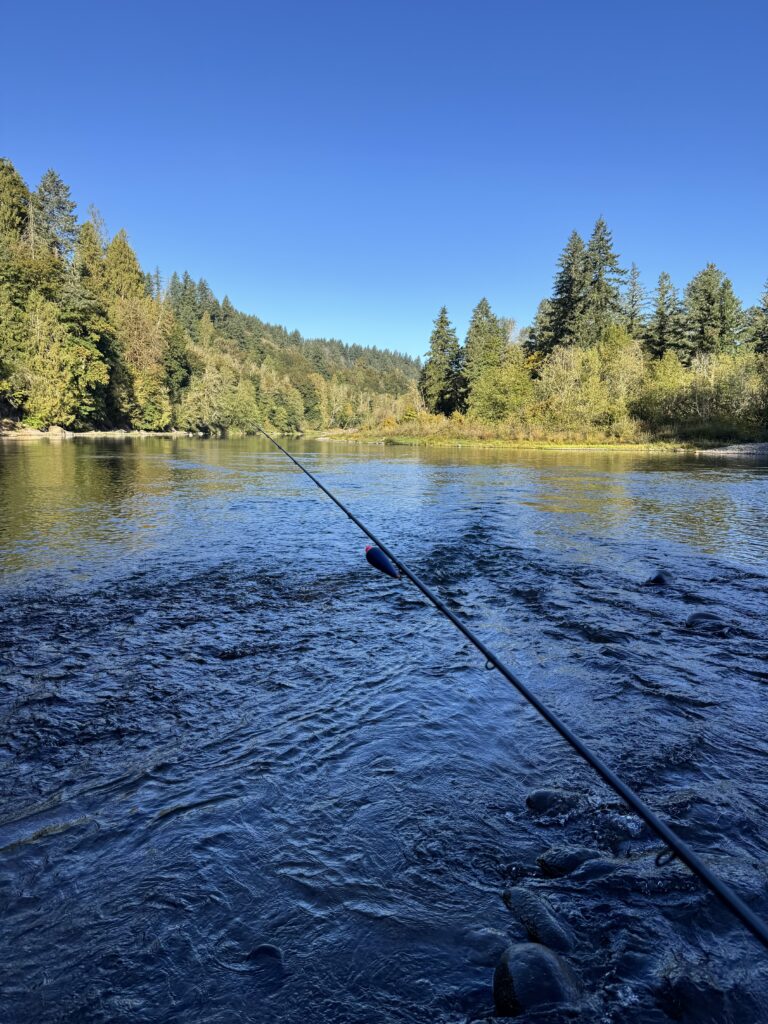
The floats below are models I’ve personally used while fishing for Chinook in Pacific Northwest rivers like the Clackamas, Sandy, and Wilson. They cast well, track naturally in current, and hold up to repeated use.
If you’re new to float fishing, you can also check out my full guide to a salmon float rig setup which breaks down exactly how these floats are rigged and fished.
Table of Contents
Why Float Choice Matters for Salmon Fishing
Choosing the right float helps control three important parts of your presentation:
• casting distance
• drift control
• bait depth
A well-balanced float allows your bait to drift naturally through the run without dragging or racing ahead of the current.
Floats also help keep your bait suspended just off the bottom where salmon are typically traveling.
Floats are an important part of the overall terminal tackle system for salmon fishing, helping control bait depth and drift speed.
My Go-To Float for Salmon Fishing
The Beau Mac Inline Slider Drift Float is the float I personally use most often when fishing for Chinook.
These floats are made from durable EVA plastic, which gives them a great balance between durability and price. They hold up well to repeated use and don’t crack easily like some cheaper foam floats.
They also cast extremely well and track naturally in current, helping maintain a smooth drift through salmon holding water.
Most of the time I match this float to a 1 oz weight setup, but when fishing deeper holes or faster water I’ll move up to floats that can handle 1.5 oz or even 2 oz of weight.
Best Salmon Floats for River Fishing
Below are several floats that perform well for salmon float fishing in rivers.
These options range from budget-friendly floats to more sensitive premium floats.
Beau Mac Inline Slider Drift Float
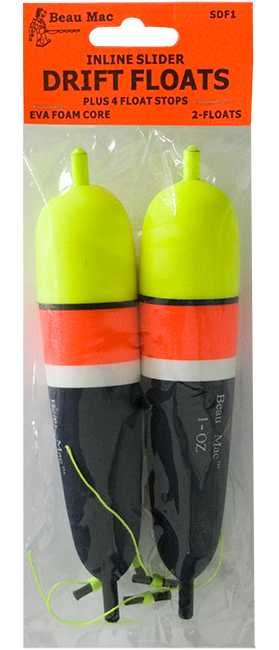
This is one of the most common floats used by salmon anglers in the Pacific Northwest.
The inline slider design allows the float to slide on your mainline above the weight, making it easy to adjust depth using a bobber stop.
The durable EVA body makes these floats very reliable, which is one of the reasons I keep coming back to them.
Pucci Drift Float (Budget Friendly Option)
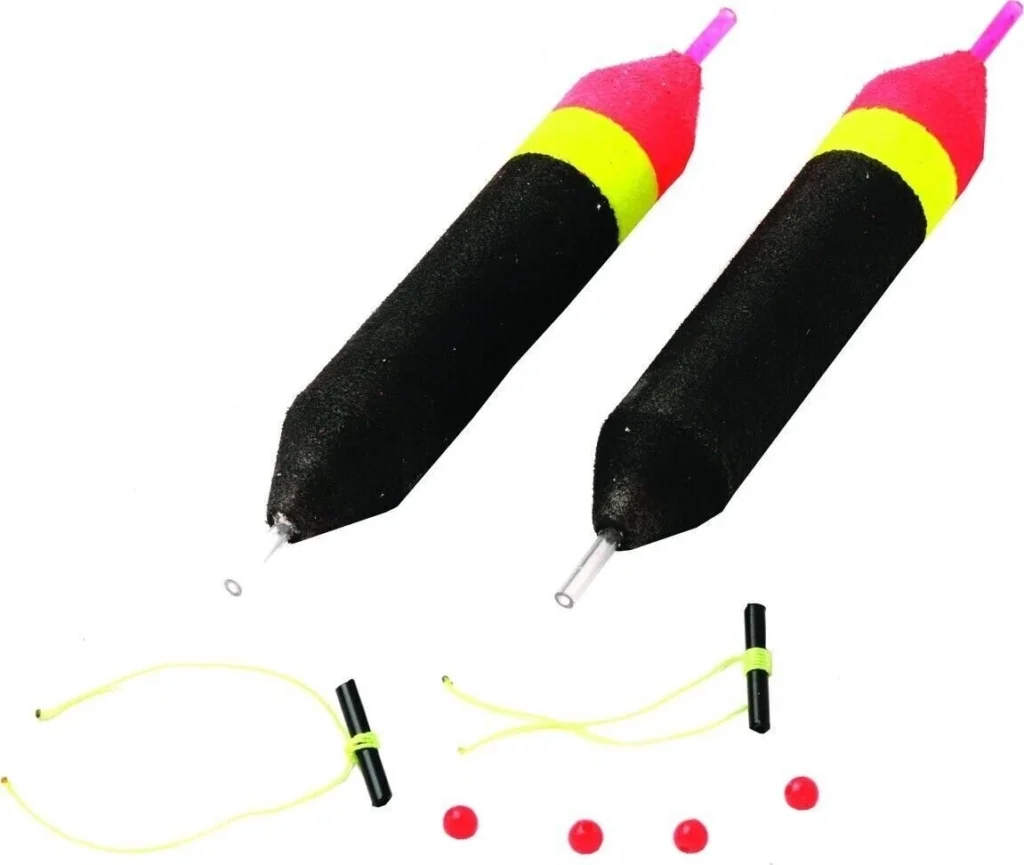
The Pucci Drift Float is a simple and affordable option that still performs well.
These floats are widely available in tackle shops and large retailers, and they’re easy to rig with a standard bobber stop setup.
While they may not be quite as durable as some EVA floats, they still work well for anglers who want a dependable float without spending much money.
Because floats occasionally get lost in trees or heavy current, it’s always nice to have a few budget floats like these in your tackle box as backups.
Hawken Aero-Float AF-3
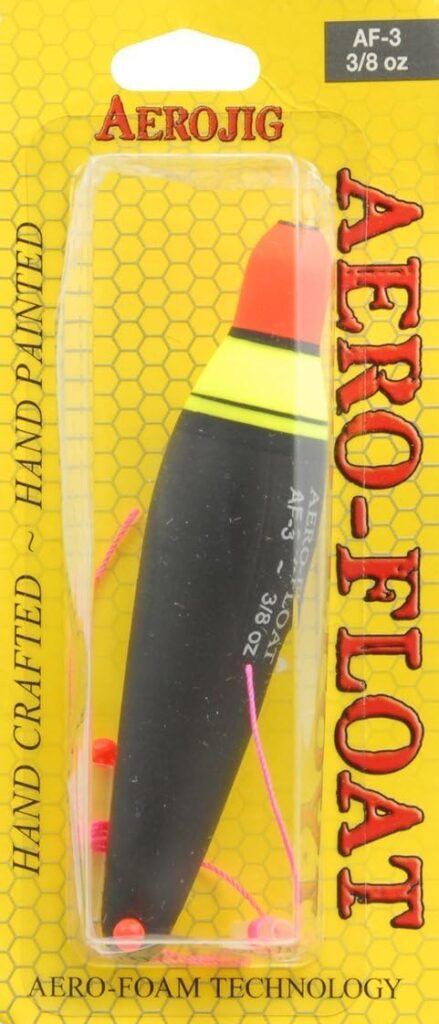
The Hawken Aero-Float AF-3 is extremely popular among both salmon and steelhead anglers.
These floats are designed to cast farther and more accurately than many traditional floats, which makes them ideal for fishing long seams or larger rivers.
They also track very well in current and handle heavier setups nicely.
Anglers fishing deeper water often use these floats when running 1.5 oz to 2 oz weight setups.
Danielson Easy Driftr Float
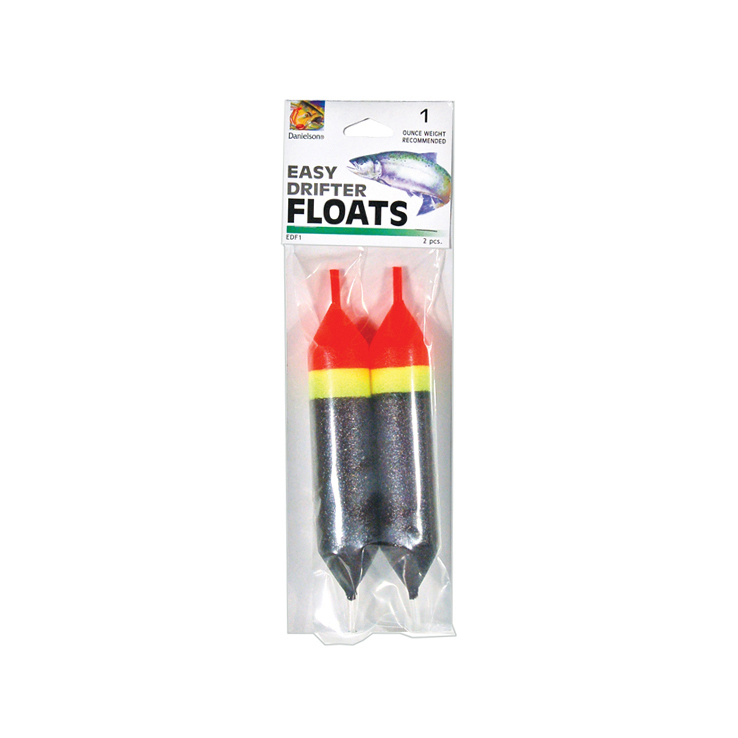
The Danielson Easy Driftr Float is another inexpensive float that still works well for salmon fishing.
These floats are simple, functional, and widely available.
They may not be quite as durable as premium floats, but they still get the job done and are a good option for anglers looking for a lower-cost float.
They’re also a great float to keep as a backup since floats occasionally get lost or damaged while fishing.
BnR Tackle Free Slider Balsa Float
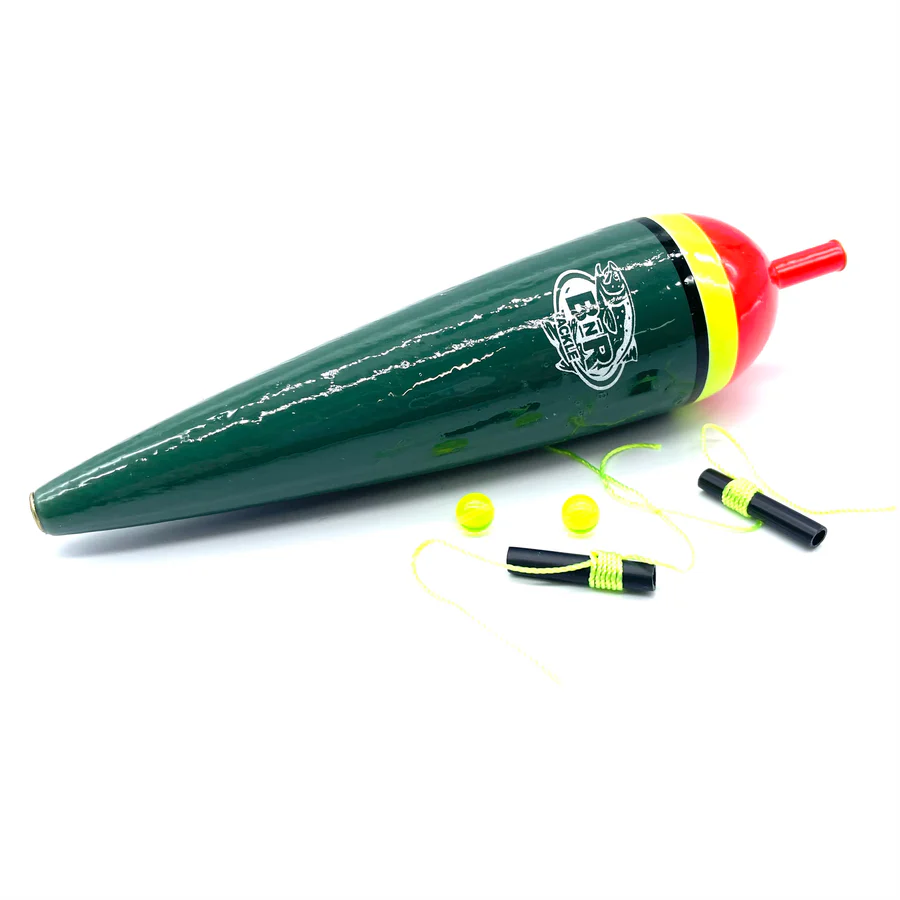
The BnR Tackle Free Slider Balsa Float is a high-quality float that offers excellent sensitivity without an extreme price tag.
Balsa floats are known for being very sensitive, which helps detect subtle bites when salmon are lightly mouthing bait.
These floats drift very naturally in current and respond quickly to small changes in your presentation.
They can sometimes be harder to find in local tackle shops, but they are usually available online. When I see them available, I typically grab a few to restock my tackle box.
Salmon Floats vs Salmon Bobbers
Salmon anglers often use the terms float and bobber interchangeably. In most cases they are referring to the same basic concept: a buoyant indicator that suspends bait at a specific depth while it drifts through the current.
In the Pacific Northwest, many anglers prefer the term float, especially when talking about inline slider floats used for salmon and steelhead fishing. However, anglers new to the technique often search for salmon bobbers when learning how to rig and fish this style of setup.
Regardless of what you call them, the goal is the same — keeping your bait drifting naturally through the run while maintaining the correct depth in the water column.
If you’re new to this technique, you can also see exactly how these floats are rigged in my guide to a salmon float rig setup.
How I Choose Float Size on the River
Most of the time I start with a float designed to handle about 1 oz of weight, which works well in many river conditions.
If the water is deeper or the current is stronger, I’ll move up to floats designed for 1.5 oz or even 2 oz setups.
Adding more weight helps your bait reach the strike zone faster and improves drift control in faster water.
The key is making sure your float is balanced with the amount of weight you’re running so the float rides upright and drifts naturally.
I usually pair my float setup with about three feet of leader line for Chinook salmon depending on water clarity and current speed.
Inline Floats vs Fixed Floats
Most salmon anglers prefer inline slider floats because they allow easy depth adjustments.
Inline floats slide freely on the line until they reach the bobber stop, which makes it simple to change fishing depth throughout the day.
Fixed floats are simpler but less versatile, which is why inline floats tend to be more popular for salmon fishing.
If you’re unsure what knot to use for tying your swivel or leader, check out my guide to the best knots for salmon and steelhead fishing.
Steelhead Floats vs Salmon Floats
Many of the same floats used for salmon fishing also work very well for steelhead. In fact, many Pacific Northwest anglers use the exact same inline slider floats when targeting both species.
The main difference is usually the amount of weight being used. Steelhead anglers often fish slightly lighter setups depending on river conditions, while salmon anglers frequently run 1 oz to 2 oz of weight to get bait down quickly.
Because of this, floats like the Beau Mac Inline Slider, Hawken Aero-Float, and BnR balsa floats are commonly used for both salmon and steelhead fishing.
If you are already using these floats for salmon, they will work just as well when targeting steelhead in the same rivers.
Common Mistakes When Choosing Salmon Floats
Several common mistakes can affect your float fishing success.
Using floats that are too small
If the float is too small for the amount of weight you’re using, it may sit too low in the water and become difficult to see.
Choosing cheap foam floats
Some foam floats break easily or fill with water over time.
Poor visibility
Bright colors like orange, chartreuse, or fluorescent pink are much easier to see when drifting long runs.
FAQ
What size float should you use for salmon fishing?
Most salmon anglers match their float to the amount of weight they are fishing. A common setup is a float designed for 1 oz of weight, while deeper or faster water may require floats capable of handling 1.5 oz or even 2 oz.
Are balsa floats better than plastic floats?
Balsa floats are usually more sensitive and can make it easier to detect subtle bites. However, plastic or EVA floats are typically more durable and tend to last longer when fishing rocky rivers or areas with heavy current.
How deep should you fish a salmon float rig?
A common starting point is fishing your bait about one foot off the bottom. Many anglers find the bottom first by lowering the bobber stop until the rig occasionally scrapes bottom, then adjust the stop slightly shallower.
Can steelhead floats be used for salmon fishing?
Yes. Many floats designed for steelhead fishing work perfectly well for salmon as long as they can support the amount of weight you are running.