Disclosure: This post may contain affiliate links. If you purchase through links on this page, I may earn a commission at no extra cost to you.
A complete salmon fishing setup for rivers doesn’t have to be complicated, but having the right gear and understanding how it all works together makes a huge difference.
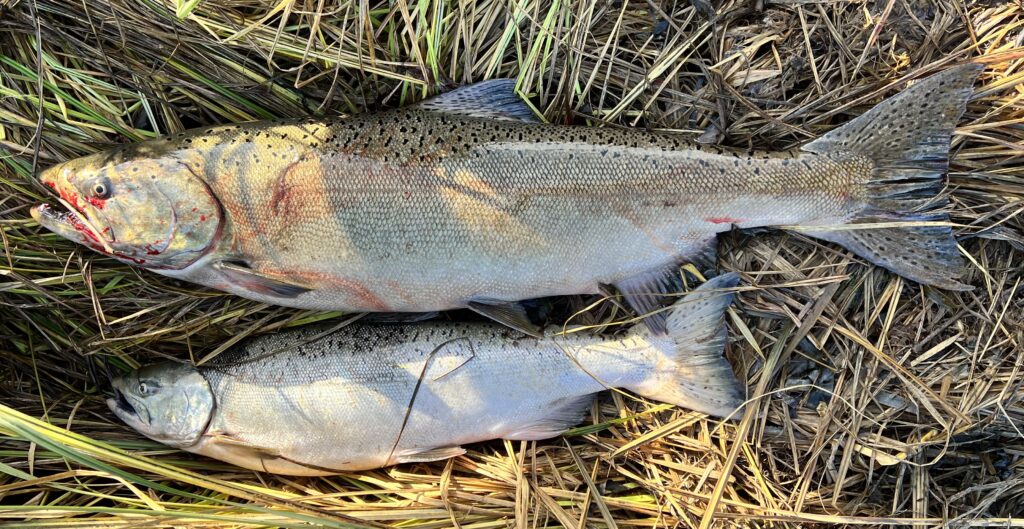
Most of what I’m sharing here comes from fishing Chinook salmon from the bank in Pacific Northwest rivers, where conditions change fast and setups need to be reliable.
Chinook salmon are powerful fish that can be surprisingly selective about what they bite.
The setups that consistently work usually come down to three things: strong scent, a natural presentation, and gear that holds up in current.
In this guide, I’m going to walk through a full chinook salmon fishing setup from rod and reel all the way down to bait and how everything connects.
Table of Contents
WHAT YOU NEED FOR A COMPLETE SALMON SETUP
A solid river setup really just comes down to a few core pieces:
- Rod
- Reel
- Main line
- Leader line
- Terminal tackle
- Presentation method
- Bait
Once you see how it all fits together, it gets a lot simpler.
ROD SELECTION
For river fishing, your rod needs to balance casting distance, control, and strength.
👉 Typical setup:
- 9’–11′ length
- Medium-heavy power
While you can technically fish most setups with just about any rod, having the right length, power, and action makes a big difference.
For example, a shorter, heavier rod around 7.5′ can work great for twitching jigs, but it’s not ideal for float fishing where you need more length to control your drift.
You can make almost anything work, but having the right rod for the technique you’re using will make things a lot easier and more effective.
That’s why most river setups fall into that 9’–10’6” range, it gives you versatility across different methods.

The Lamiglas Redline is a go-to rod for me for float fishing. Medium/heavy has plenty of backbone for chinook and has yet to let me down.
Having the right rod makes a huge difference depending on how you’re fishing. I break down exactly what to use in my guide on best rod for Chinook salmon river fishing.
REEL SELECTION
Both spinning and casting reels work- it comes down to preference.
- Spinning reels → easier and versatile
- Casting reels → more control
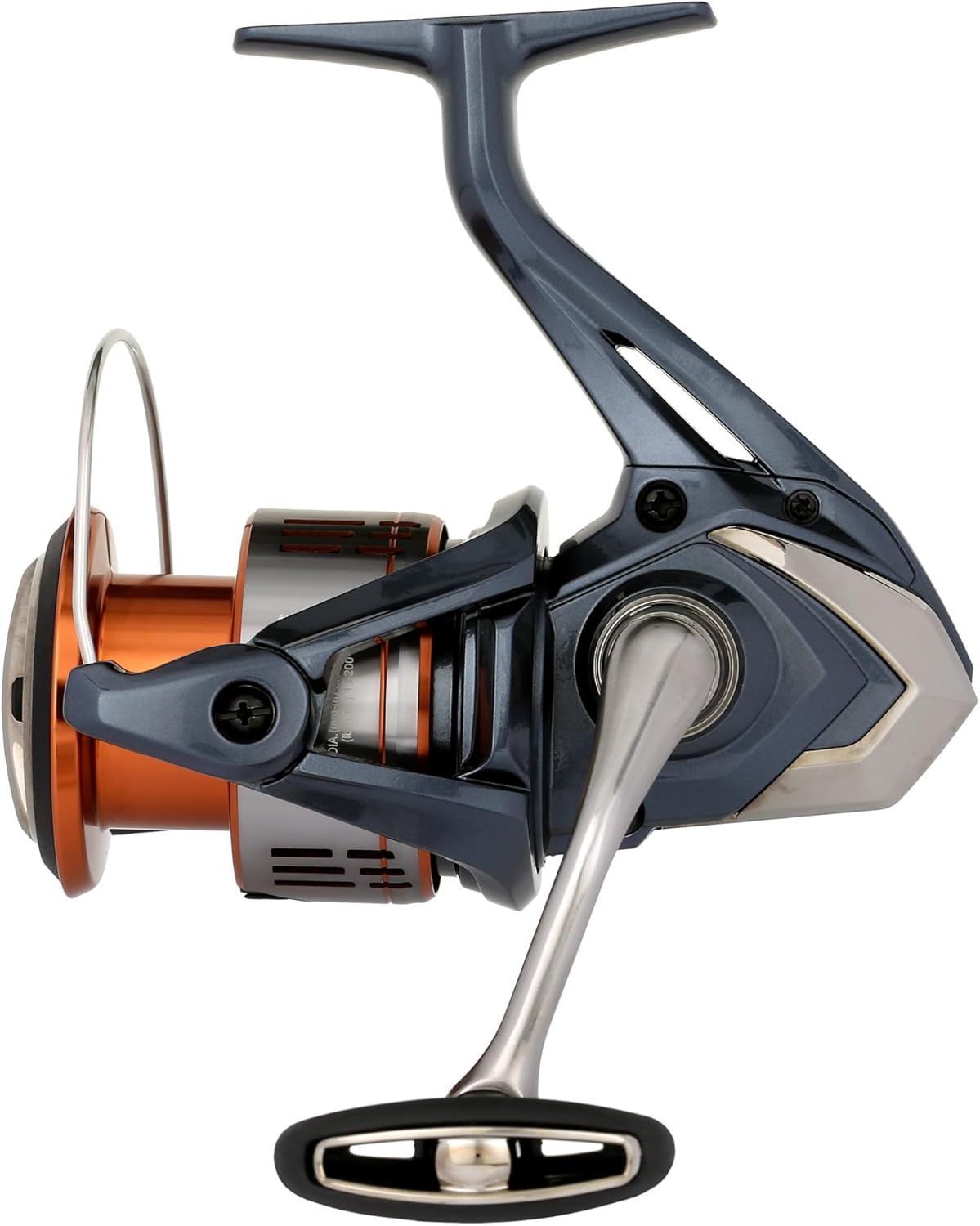
This is a solid, reliable, and super smooth reel that handles most Chinook setups without overcomplicating things.
If you’re still deciding, I’ve broken down both setups in detail in my guides on best spinning reels for Chinook salmon and best casting reels for Chinook salmon.
LINE, LEADER & KNOTS
Most salmon setups use braided line for strength and control.
👉 Typical range:
- 40–65 lb braid
Heavier braid helps with:
- Float control
- Hooksets
- Fighting big fish
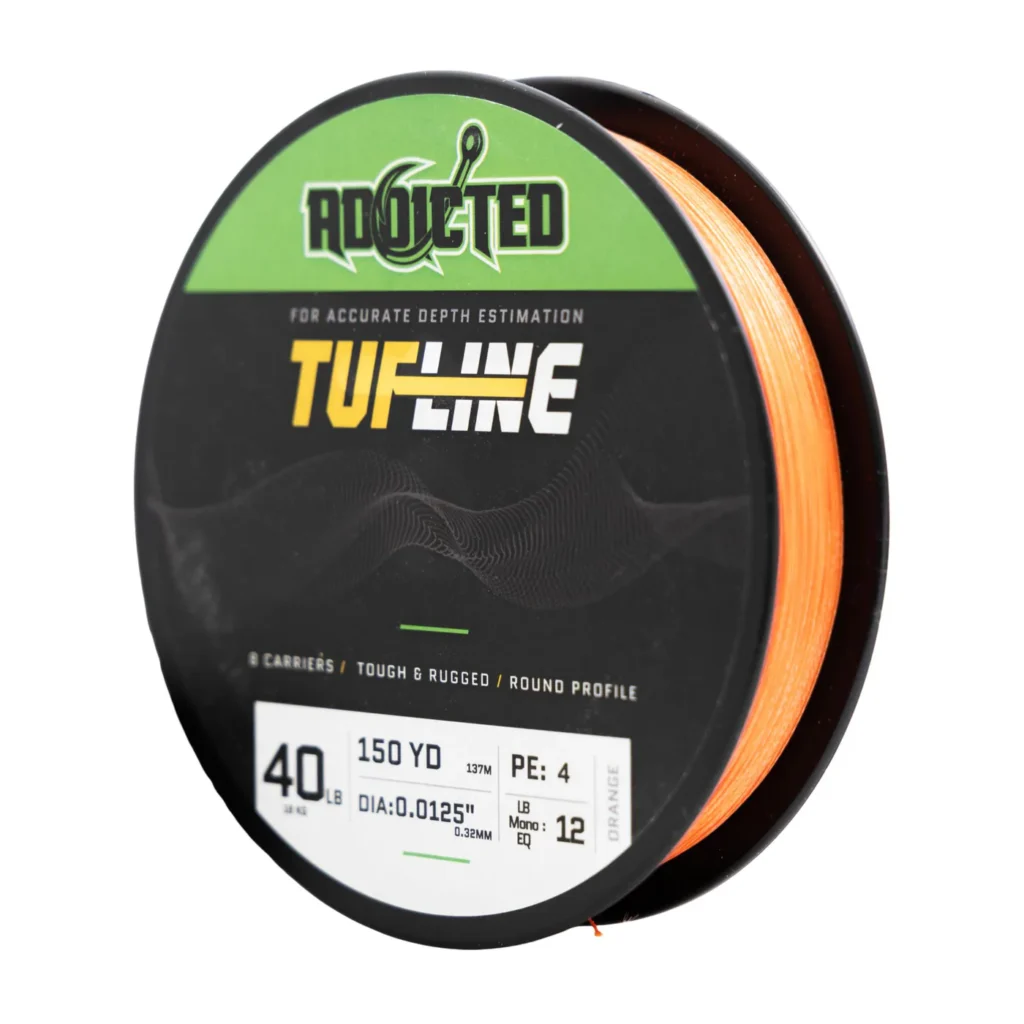
This is the braid I trust for float fishing. It mends and floats well while giving you solid control over your drift.
I almost always run braid as my mainline for Chinook. If you’re not sure what pound test or brand to use, I break it down in my guide on best braided line for Chinook salmon.
LEADER LINE
Leader line connects everything to the fish and it matters more than most people think.
👉 Typical range:
- 20–30 lb fluorocarbon
I usually run:
👉 around 25 lb leader to stay on the safe side. Chinook are not known to be leader shy.
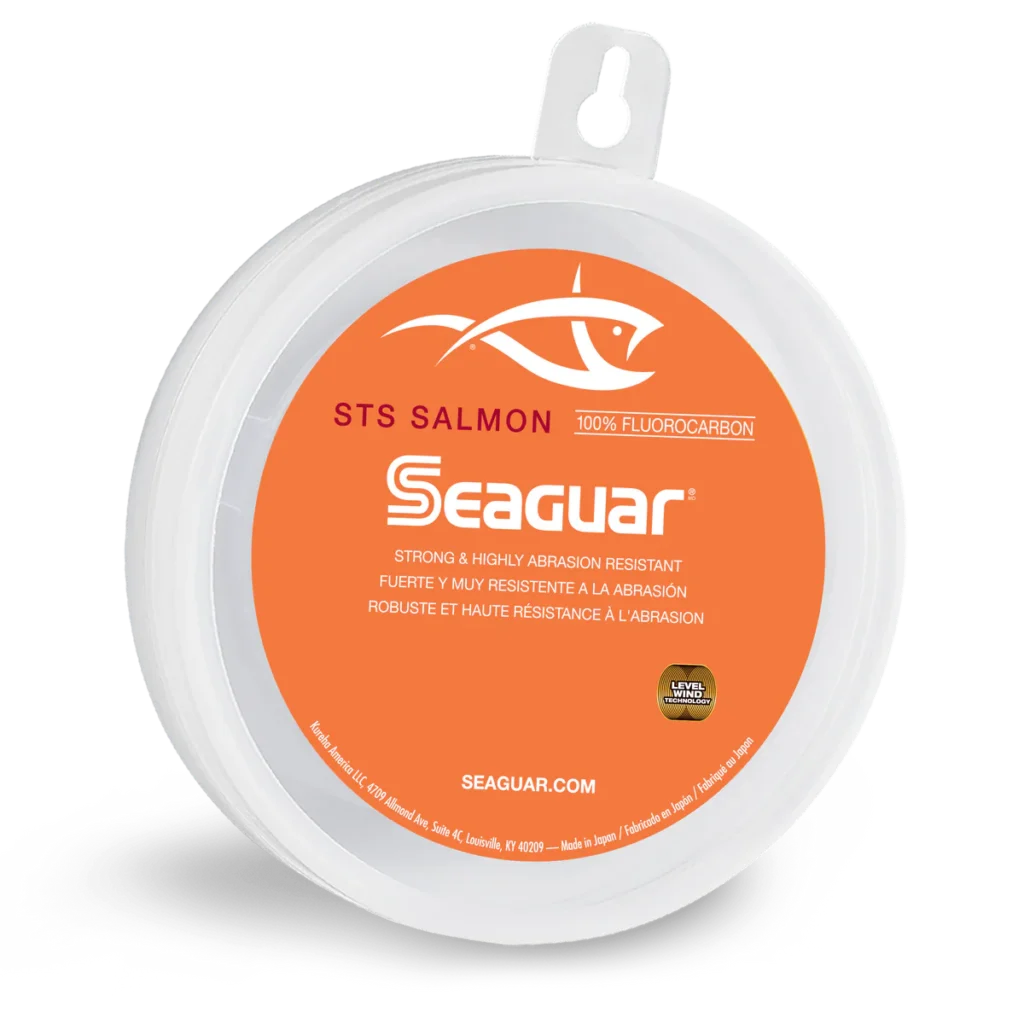
This is the exact leader I trust for Chinook — strong, abrasion-resistant, and holds up in heavy current.
I usually run a 20–30 lb leader for Chinook. If you’re not sure what to use, I break it all down in my guide on best leader line for Chinook salmon.
KNOTS
Strong knots are critical to keeping everything connected. You’ll want to know different knots for different setups too.
If your knots aren’t solid, none of this matters. I go over the ones I actually trust in my guide on best knots for salmon and steelhead fishing.
TERMINAL TACKLE (WEIGHTS, HOOKS & RIGGING)
This is everything at the business end of your line:
- Swivels
- Weights
- Hooks
- Beads
Your setup is only as good as your terminal tackle. I break down exactly what to use in my guide on terminal tackle for salmon fishing.
FLOAT FISHING SETUP (PRIMARY SYSTEM)
If you want the most consistent method:
Start with float fishing
It gives you:
- Control over depth
- Natural presentation
- Consistent results
If you’re fishing under a bobber, getting your setup right is everything. Here’s my full guide on salmon float rig setup.
WEIGHTS
Weights help get your bait into the strike zone.
👉 Common types:
- Sliding egg weights
- Inline weights
- Pencil lead
For a full breakdown of what to use and when, check out my guide on best salmon weights for river fishing.
HOOKS
Hook choice matters for both hookup rate and holding fish.
👉 Typical sizes:
- 5/0 for Chinook
- 4/0 for smaller setups
Hook choice matters more than most people think, especially when fishing bait. I break down exactly what to use in my guide on best hooks for salmon fishing.
BEST BAIT FOR CHINOOK
If I had to choose one:
👉 cured salmon eggs
But the real difference comes from knowing when to add:
- Shrimp
- Tuna belly
- Combos
Bait selection plays a huge role in success. I break it all down in my guide on best bait for Chinook salmon.
SCENTS
Adding scent can make a big difference, especially in lower visibility water.
It helps strengthen your scent trail and makes it easier for fish to locate your bait.
DIFFERENT WAYS TO FISH FOR SALMON IN RIVERS
There are a handful of different ways to target Chinook in rivers; float fishing, drift fishing, plunking, hardware, jigs, and even soft beads.
But the biggest difference comes down to how you present your bait.
Float Fishing (Most Consistent Setup)
Float fishing is my go-to.
It gives you the most control and the most consistent presentation.
Most of the time I’m running:
-eggs or eggs + shrimp
Drift Fishing
Drift fishing works well in tighter water.
Use the same bait you trust:
- Eggs
- Shrimp
Run a normal leader length and focus on presentation.
-If you’re running a super long leader, you’re not fishing- you’re trying to snag fish, and that’s a major shame.
Plunking (Bank Fishing Option)
Plunking is common on bigger rivers, especially from the bank.
This isn’t something I do often, but it definitely has its place.
It works by:
-letting bait sit while scent spreads downstream
Best for:
- Bigger rivers
- Slower water
- Travel lanes
Hardware (Spinners & Spoons)
If fish are aggressive or moving, hardware can work well.
I like:
-Blue Fox spinners in sizes #4–#6
Fish them slow:
- Cast into pools
- Retrieve just fast enough to keep the blade spinning
Jigs
Not my first choice for Chinook, but not my last either.
I use them more for:
- Coho
- Steelhead
But Chinook will absolutely hit them.
Soft Beads & Imitation Egg Clusters
These are a solid backup option.
- Usually 20mm or larger
- Designed to imitate eggs
Not my top choice, but I always carry them.
COMMON SETUP MISTAKES
- Fishing the wrong depth
- Using too light of a leader
- Letting bait spin
- Overcomplicating things
Keep it simple and focus on presentation.
COMPLETE EXAMPLE SETUP (MY GO-TO)
Here’s what I typically run:
- Rod: 9’-11′ medium-heavy, fast action
- Reel: 4000-5000 spinning
- Line: 50–65 lb braid
- Leader: 25 lb fluorocarbon
- Setup: float rig
- Bait: eggs or eggs + shrimp
FINAL THOUGHTS
A good river salmon setup isn’t about having more gear, it’s about having the right system.
Start simple, get your presentation right, and adjust based on conditions.
FAQ
What pound line should I use for salmon fishing?
Most anglers use braided line in the 40–65 lb range for salmon fishing. Heavier braid, like 65 lb, helps with casting control and managing current, especially when float fishing.
What is the best fishing line for Chinook salmon?
Braided line is the most popular choice for Chinook salmon because of its strength and sensitivity. It’s typically paired with a 20–30 lb fluorocarbon leader for a strong and reliable setup.
What is the best reel for salmon fishing?
Both spinning and casting reels work well for salmon fishing. Spinning reels are more versatile and easier to use, while casting reels offer more control for certain techniques like back bouncing or pulling plugs.
What rod should I use for salmon fishing in rivers?
A 9’ to 10’6” medium-heavy rod is a great all-around choice for river salmon fishing. It provides enough casting distance, control, and strength to handle Chinook in current.
What is the best setup for Chinook salmon in rivers?
One of the most effective setups is float fishing with cured salmon eggs. This allows you to present bait naturally at the right depth, which is key for getting consistent bites.
Can you catch salmon using different techniques like drifting or jigging?
Yes, salmon can be caught using a variety of methods including float fishing, drift fishing, and jigging. Float fishing is the most consistent, but other methods can be effective depending on river conditions and fish behavior.
What is the best bait for Chinook salmon?
Cured salmon eggs are the most reliable bait for Chinook salmon. Adding shrimp or tuna belly can increase your chances, especially in tougher conditions.