Disclosure: This post may contain affiliate links. If you purchase through these links, I may earn a small commission at no extra cost to you. I only recommend gear I personally use and trust.
If you’re wondering what pound line for salmon fishing makes the most sense, the short answer is this:
– For Chinook salmon, I run 50–65 lb braided line with a 20–25 lb leader.
– For lighter or stealthier conditions, I’ll drop leader size down into the 15–20 lb range, but there’s a trade-off.
Getting your line setup right matters more than most anglers realize. Too light and you risk breaking off fish. Too heavy and you can hurt your presentation, especially in clear or pressured water.
This guide breaks it down simply based on how I actually fish rivers here in the Pacific Northwest.
Table of Contents
Best Braided Line Pound Test for Salmon
For most salmon fishing setups, your mainline should be braided line.
I typically run:
- 65 lb braid → my go-to for float fishing
- 50 lb braid → lighter setups or smaller water
The reason I stay in that range is simple: control and strength.
Heavier braid helps you:
- Manage long drifts more easily
- Keep better control of your float
- Handle big Chinook in current without worrying about failure
My Go-To Braided Line for Salmon Fishing
For most of my salmon fishing, I personally run Addicted Fishing Enforcer 8x braid in 65 lb (high-vis orange). It’s been one of the best lines I’ve used for float fishing because it handles well, tracks easily on the water, floats great, and holds up in current.
The downside is it can be harder to find online, so if you’re looking for a readily available option, I’d go with something like Sufix 832 Advanced Superline, which has been consistently reliable and easy to get.
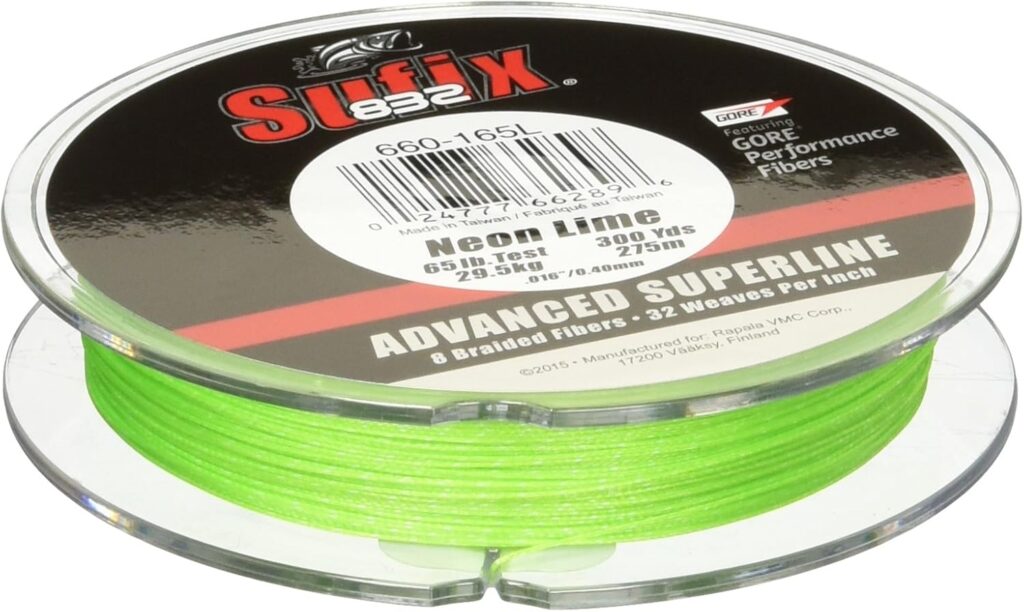
This is a solid alternative if you want a braid that performs well across a wide range of salmon fishing situations.
If you want a deeper breakdown of options, check out my guide to the best braided fishing line for Chinook salmon.
Best Leader Line Pound Test for Salmon
Your leader is where things get more dialed in.
For Chinook salmon, my typical range is:
- 25 lb → go-to in most conditions
- 20 lb → lighter, more stealthy setup
- 17 lb → low end (only when needed)
- 30 lb → heavy water or debris
Chinook are not leader shy fish most of the time, so I rarely feel the need to go ultra light. Strength and durability matter more in most river situations.
My Go-To Leader Line for Chinook Salmon
For most of my salmon fishing, I stick with a strong fluorocarbon leader in the 20–25 lb range. It gives a good balance of invisibility and strength without overcomplicating things.
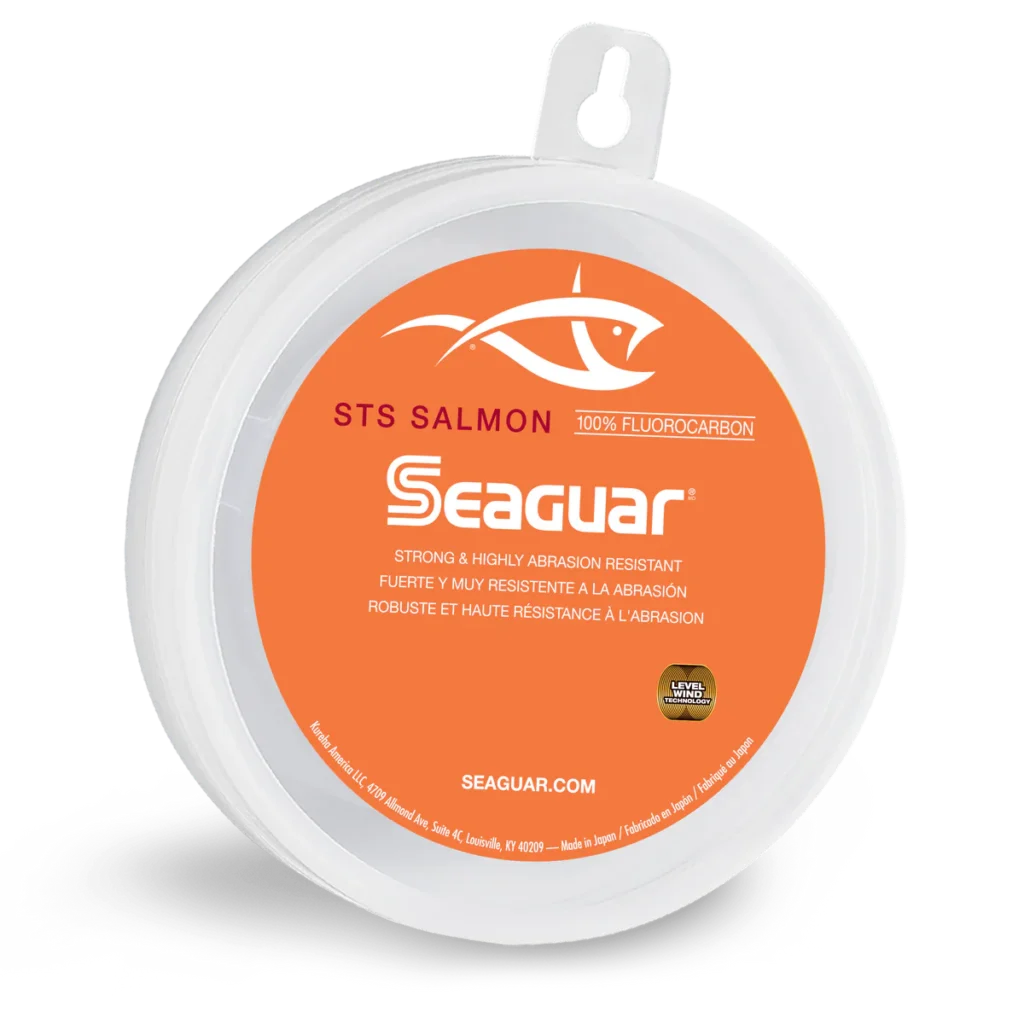
This is what I personally use and trust when targeting Chinook.
Pairing the right leader with your mainline setup is what keeps everything working together smoothly.
If you want a full breakdown of leader options and when to use each size, check out my guide to the best leader line for Chinook salmon.
Leader Size for Chinook vs Coho
There is a difference here depending on what you’re targeting.
Chinook Salmon
- 25 lb → standard
- 20 lb → lighter option
- 17 lb → stealth (risk zone)
- 30 lb → heavy water
Coho Salmon
- 12–15 lb → stealth setups
- 15–20 lb → typical range
If I need to go really stealthy for coho, I’ll drop to 12 lb, but that’s pushing it. You have to be careful with drag and current at that point.
Leader Size for Different Fishing Techniques
Float Fishing
- 20–25 lb leader (standard)
- Drop lighter only if needed
If you’re still dialing in your setup, start with a proper salmon float rig setup.
Drift Fishing
- 15–20 lb leader
You can get away with lighter leader here since presentation is more natural and direct.
Fishing Hardware (Spinners / Spoons)
When I’m throwing hardware, I’ll usually go:
👉 17–20 lb leader
Lighter leader helps:
- Improve casting distance
- Improve lure action
Going too heavy can kill the natural movement of spinners and spoons.
Matching Your Setup for Hardware Fishing
When I’m throwing hardware like spinners or spoons, I’m usually running a completely different setup compared to my float fishing gear.
That typically means switching to a lighter rod and reel setup, but just as importantly, I’ll also drop down in my mainline.
Instead of 65 lb braid, I’ll typically run something in the 30–40 lb range, along with that 17–20 lb leader.
The main reason is casting performance. A lighter setup casts easier, lets your lure move more naturally, and just feels better overall when you’re actively working spinners or spoons.
When to Go Heavier or Lighter
Go Heavier (25–30 lb)
- Fast current
- Heavy fish pressure
- Snags, rocks, debris
Go Lighter (15–20 lb)
- Clear water
- Pressured fish
- Finicky bite
Danger Zone (17 lb and below)
- Higher risk of break-offs
- Requires careful drag control
- Only use when necessary
Building a Complete Setup
Your line setup works best when everything matches.
If you’re dialing in your system, these pieces all need to work together:
- Hooks – Strong, sharp hooks that can handle big fish
Check out my full guide:
https://northwestfishinggear.com/best-hooks-for-salmon-fishing/ - Weights – The right size and style to stay in the strike zone without snagging
See my recommendations:
https://northwestfishinggear.com/best-salmon-weights-for-river-fishing/ - Bait Rigging – Properly rigged bait makes a bigger difference than most anglers realize
Learn how to rig it correctly:
https://northwestfishinggear.com/how-to-rig-salmon-eggs/
When everything is matched correctly, your setup fishes cleaner, drifts more naturally, and gets more bites.
Final Thoughts on Line Setup for Salmon Fishing
If you keep it simple, you’ll catch more fish.
For most situations, a 50–65 lb braided mainline paired with a 20–25 lb leader gives you the best balance of strength, control, and reliability for salmon fishing.
You can always adjust lighter or heavier depending on conditions, but this setup will cover the majority of river scenarios without overcomplicating things.
If you’re still dialing in your full setup, make sure your line, leader, hooks, and weights are all working together—small mismatches can make a big difference on the water.
If you’re still putting your gear together, check out my guide to the best spinning reels for Chinook salmon to match your setup.
FAQ
What pound line should I use for salmon fishing?
For Chinook salmon, a setup of 50–65 lb braid with a 20–25 lb leader is a reliable all-around choice for most river conditions. You can go lighter in clear water, but strength and durability usually matter more than finesse.
Is 20 lb line strong enough for salmon?
Yes, 20 lb leader can work, especially in clear or low-pressure conditions. However, it’s closer to the lower end, so you’ll need to be more careful with drag settings and fighting fish.
What braid strength is best for salmon fishing?
Most anglers run 50–65 lb braided line for salmon. Heavier braid improves line control, casting distance, and durability, especially when fishing in current or around structure.
Can you use braided line for salmon fishing?
Yes, braided line is the most common mainline for salmon fishing. It provides better sensitivity, hooksets, and control, especially when float fishing or drifting.
What leader line should I use for Chinook salmon?
A 20–25 lb fluorocarbon leader is the go-to setup for most Chinook fishing. It offers a strong balance of invisibility and durability without being overly light.
Do salmon see your fishing line?
Salmon can see your line, especially in clear water. That’s why using a fluorocarbon leader helps reduce visibility while still maintaining strength.
What line setup is best for salmon fishing from the bank?
For bank fishing, a common setup is 50–65 lb braid paired with a 20–25 lb leader. This gives you the control and strength needed to handle fish from shore.
Should you use lighter line for coho salmon?
Yes, coho can be more line shy than Chinook. Many anglers drop down to 12–17 lb leader in clear water or when fishing lighter presentations.