Affiliate disclosure: This post may contain affiliate links. If you purchase through these links, I may earn a small commission at no extra cost to you. I only recommend gear I personally use or trust.
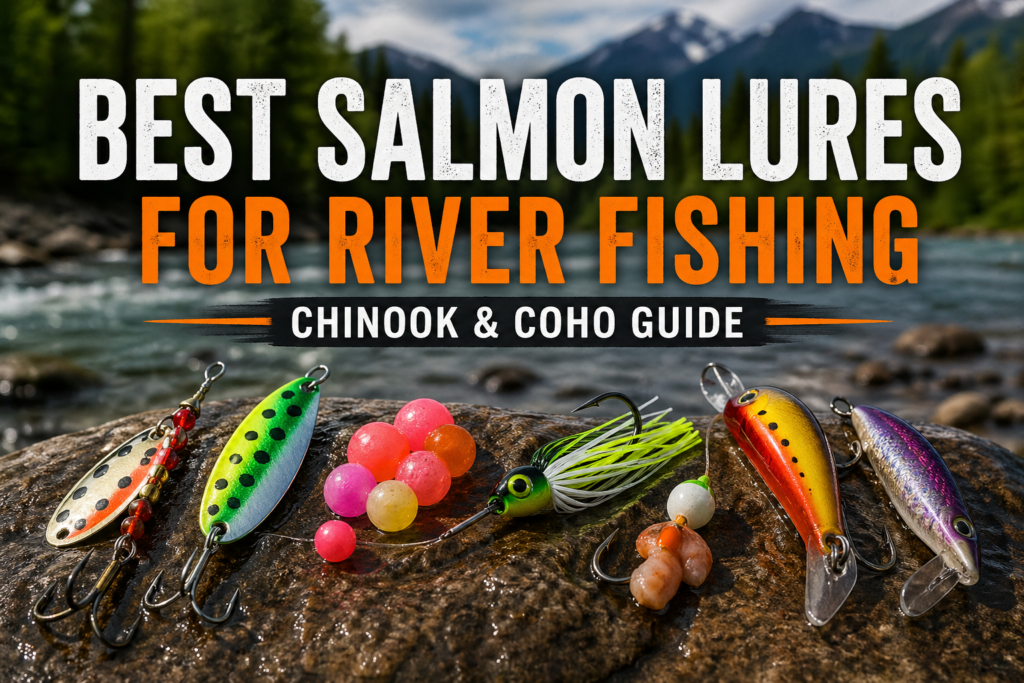
The best salmon lures for river fishing are the ones that match the water, the fish, and the way salmon are reacting that day. If you’ve spent enough time chasing salmon in rivers, you already know there’s no single magic lure. Some mornings the fish are fired up and they’ll hammer a spinner on the first cast. Other days you’re scratching your head, switching through your box, until you finally dead-drift a bead through a seam and everything changes.
That’s river salmon fishing. It keeps you honest.
Over the years I’ve dialed in a core lineup that I trust across different water conditions and fish moods. In this guide, I’ll walk you through exactly what I use for Chinook and coho, when I reach for each one, and how I read conditions to make that call on the water.
Table of Contents
Best Salmon Lures for River Fishing: Quick Picks
- Best Overall: Spinner
- Best for Deep Water: Spoon or Plug
- Best Natural Presentation: Soft Bead
- Best Aggressive Technique: Twitching Jig
- Best Versatile Setup: Jig under a float
My Top Salmon Lures by Category
Spinners
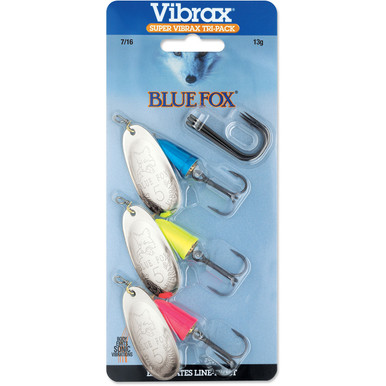
Spinners are my go-to when I want to move and cover water. The combination of flash and that thump through the current is hard for salmon to ignore, especially in lower visibility conditions.
They’re also just a confidence lure for me. If I’m fishing a new stretch of river and don’t know where the fish are sitting, I’m probably starting with a spinner.
For a full breakdown of sizes, colors, and setups, check out my guide on the best spinners for salmon fishing.
Spoons
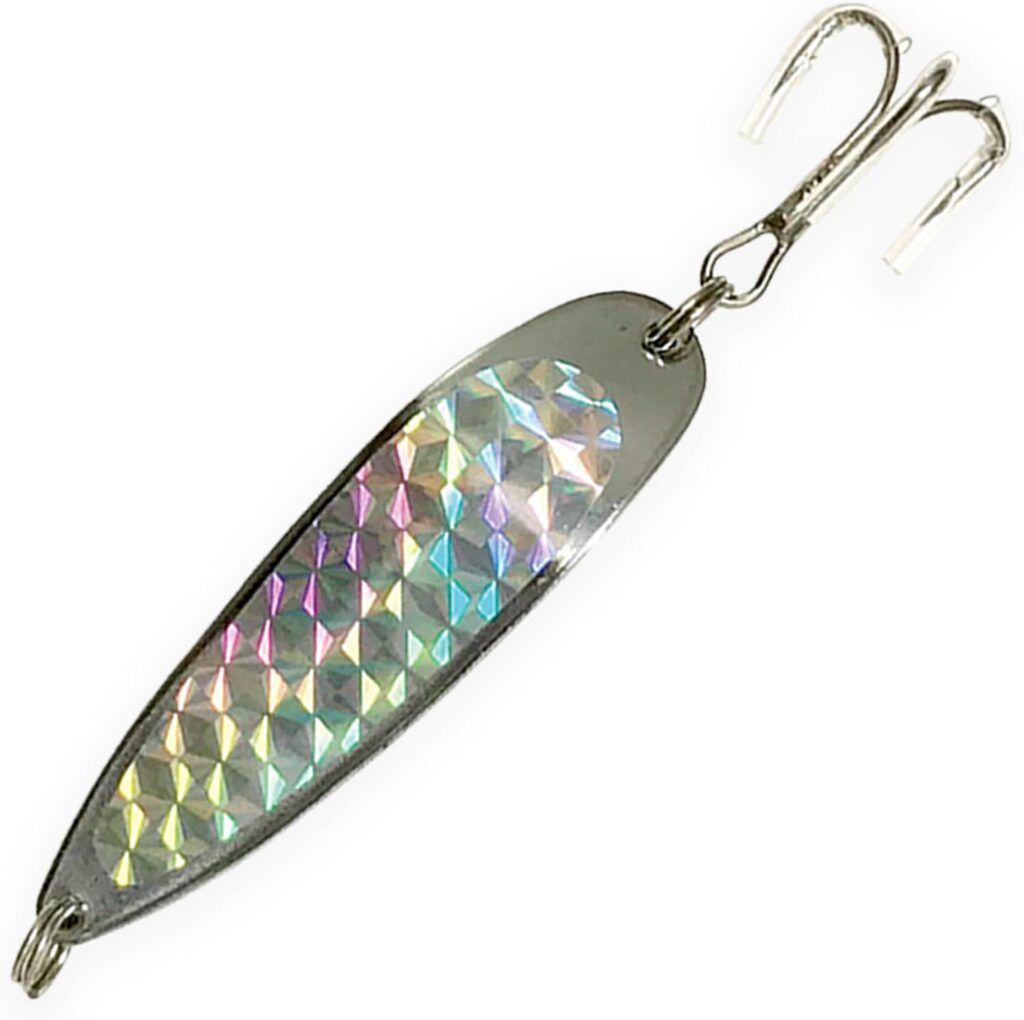
Spoons are what I switch to when spinners aren’t getting it done. The action is different, with more of a lazy wobble and flash that imitates a struggling baitfish.
In deeper runs or when fish are holding suspended and not super aggressive, spoons will often get a commitment when spinners won’t.
I break down the exact setups I use in my guide on the best spoons for salmon fishing.
Soft Beads for Chinook
For Chinook, I’m almost always running 20mm beads but can go up to 24mm. You want to match that bigger egg profile, something that stands out in the current without looking out of place.
Best Overall Soft Bead
BNR Tackle 20mm Soft Beads, Sweet Pink Cherry
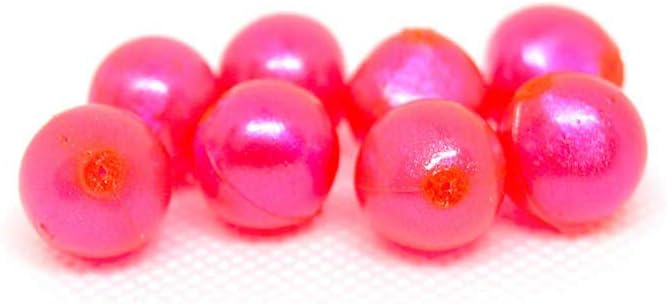
BNR is the brand I keep coming back to. The color selection is huge, the feel is right, and fish hold onto them longer. Sweet Pink Cherry just works across a wide range of water conditions.
This is the bead I’d hand someone starting out for Chinook.
Alternate Color Option
BNR Tackle 20mm Soft Beads, Joker
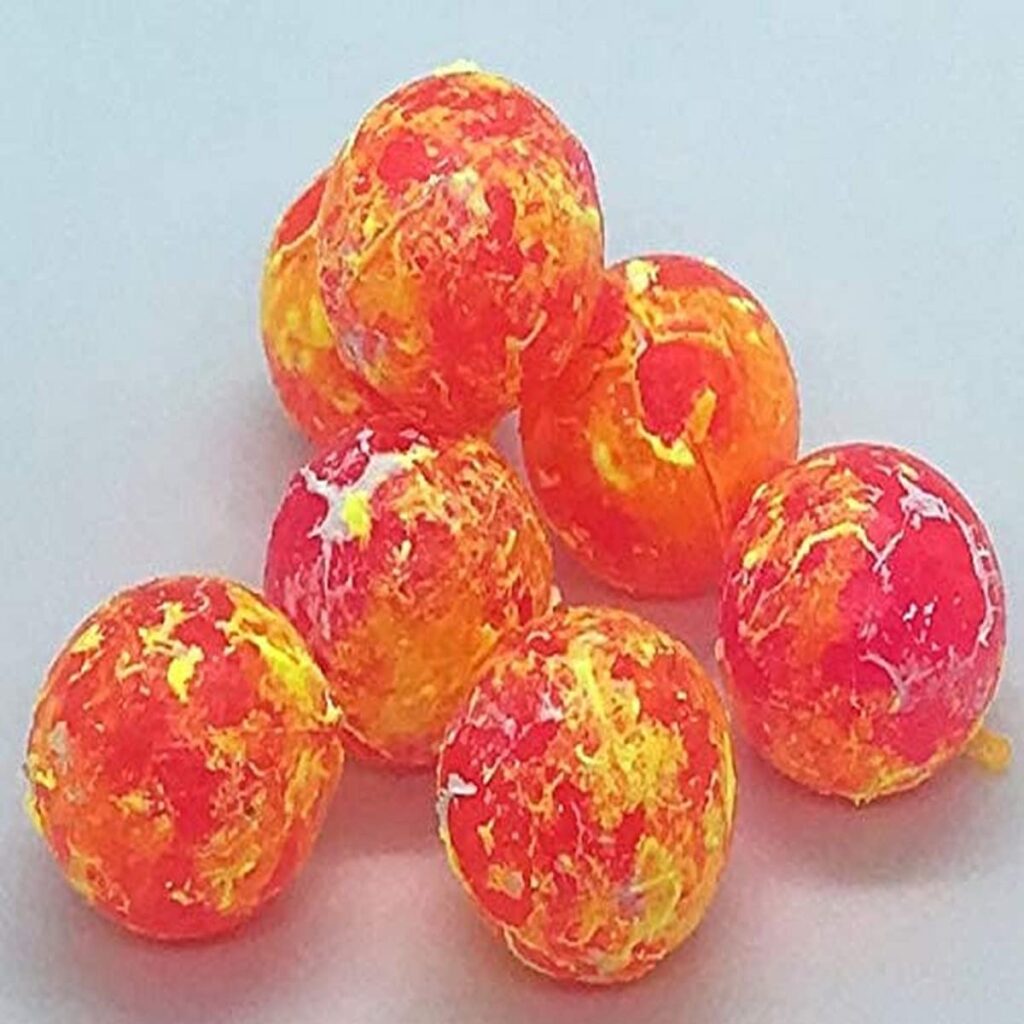
Same bead, different look. This one is brighter and higher contrast, which makes it a good choice when fish have seen a lot of pressure or the water has some color.
I don’t lean on soft beads as much for Chinook as I do for steelhead, but they still belong in a salmon lure lineup. When fish are pressured or you want a more natural egg-style presentation, beads can be a good change-up. If you want to compare that style of presentation with more traditional bait, I break that down in my guide to the best bait for Chinook salmon.
Twitching Jigs
If you’ve never fished a twitching jig for Chinook, you’re missing out. You’re not just drifting. You’re actively triggering a reaction.
Having the right rod makes a big difference with this technique. I break down what I use in my guide to the best rod for twitching jigs for Chinook salmon.
Best Twitching Jig
Mustad Addicted Tailout Twitcher Jig 1 oz, Pearl / Anadromous Green Chartreuse / Mystic Black
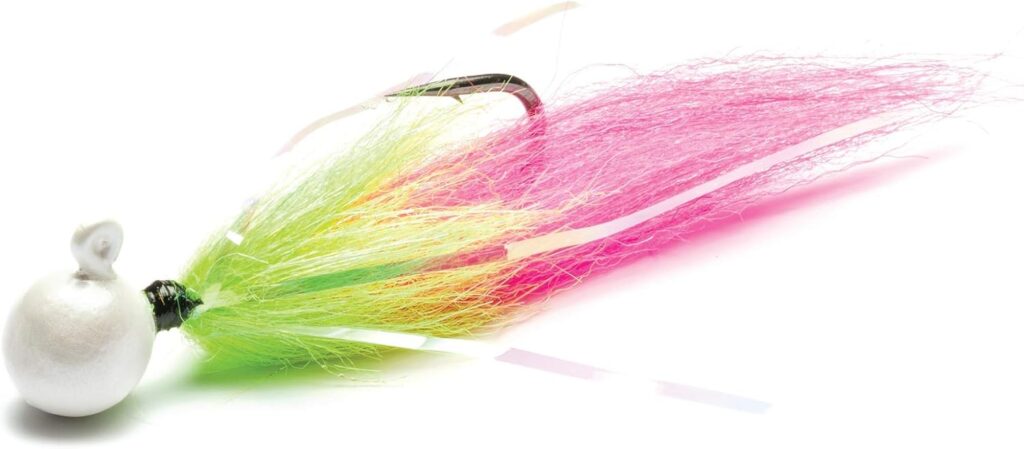
This jig is dialed. Strong hook, great action, and the 1 oz weight keeps it where big Chinook actually sit: deeper water and heavier current.
When I want to fish aggressively for Chinook, this is what I tie on.
Alternate Twitching Jig Option (Coho/Chum Killer)
Aerojig Marabou Jig (Purple / Black / Pink)
This is a classic PNW jig. I’ve personally caught coho twitching it, but it’s just as effective under a float for chum. That purple, black, and pink combo stands out really well and consistently gets bites.
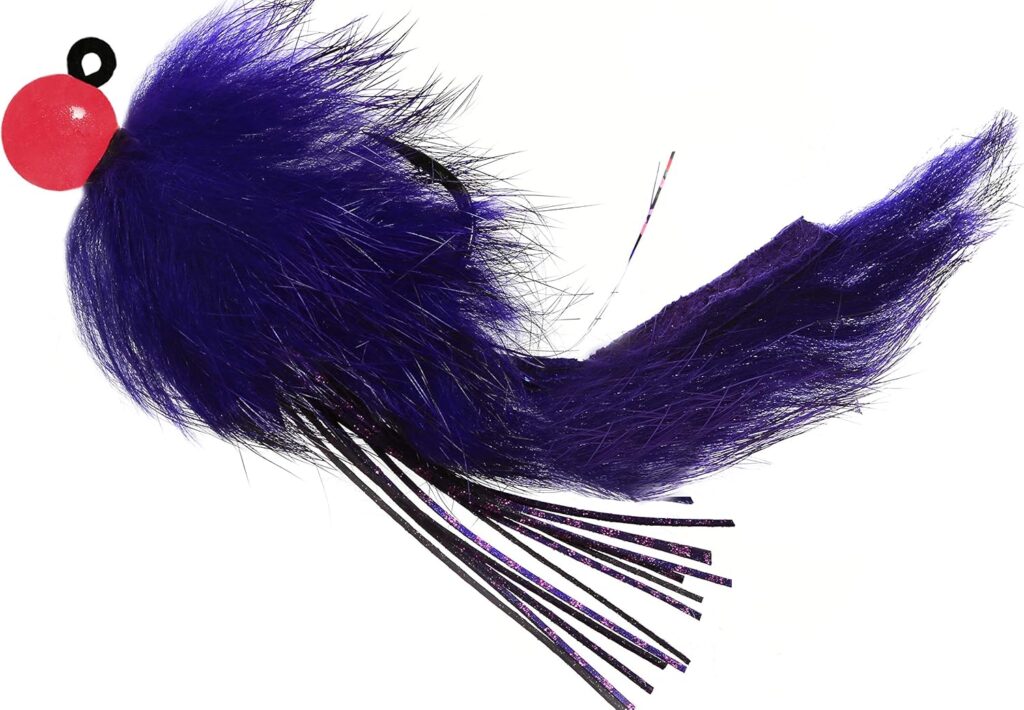
If I’m targeting coho or chum and want something proven, this is always in my lineup.
Jigs Under a Float
This is a completely different approach. Slower, more natural, and sometimes way more effective when fish are being picky.
If you’re not already running a proper float setup, that matters just as much as the jig itself. I walk through that in my salmon float rig setup guide.
Getting your depth right is critical with this setup, and it’s one of the biggest mistakes I see people make. Here’s how I set it up: how deep to set your bobber for salmon fishing.
Best Float Jig Setup
Mustad Floating Jig, 1/4 oz range
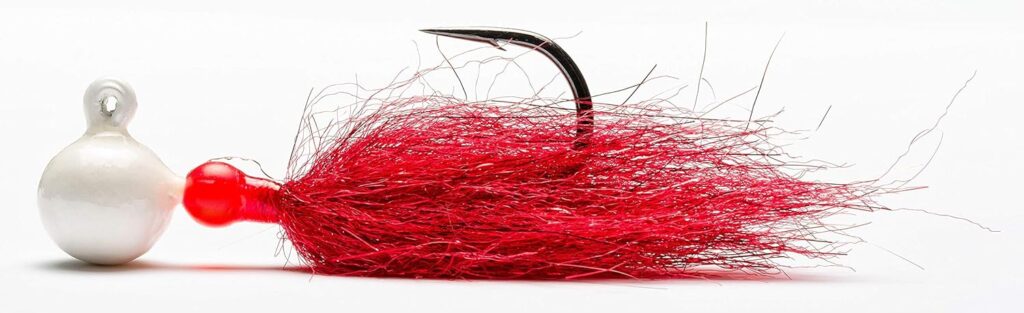
I almost always tip this with a prawn tail, coon shrimp, or sand shrimp. That mix of natural drift and scent is hard for salmon to ignore.
This setup quietly produces fish when nothing else is working.
Alternate Color Option
Mustad Sink It Series Jig, UV Chartreuse / Anadromous Black, 1/4 oz
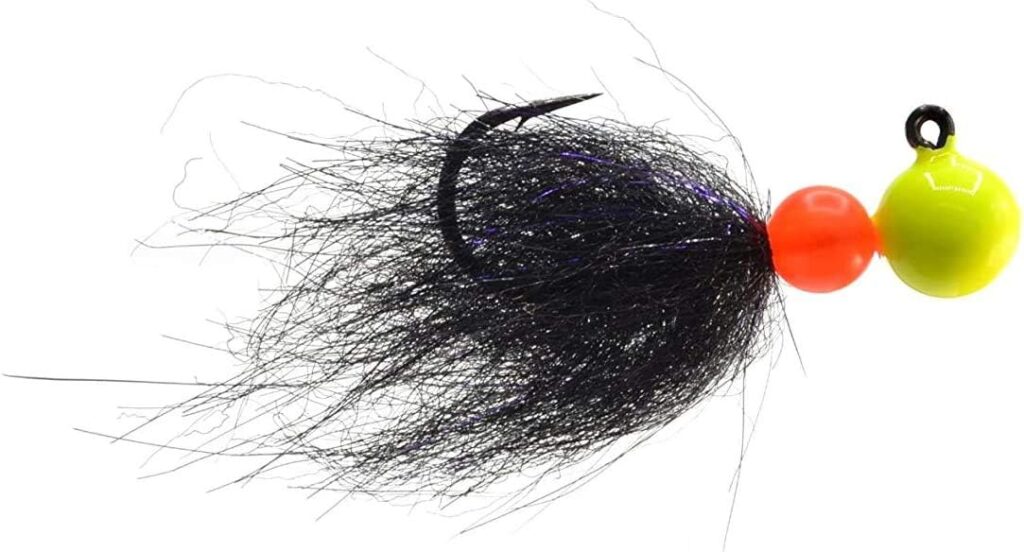
When I need more visibility, this is what I switch to. Chartreuse and black stands out well in stained water.
Plugs for Chinook, Mag Lip and Kwikfish
Plugs are built for holding water. Instead of covering ground, you’re putting something right in front of fish and letting the action do the work.
Running plugs effectively comes down to your setup just as much as the lure itself. I go deeper into that in my terminal tackle for salmon fishing guide.
Best Plug Option
Yakima Bait Mag Lip 4.0, Fire Starter
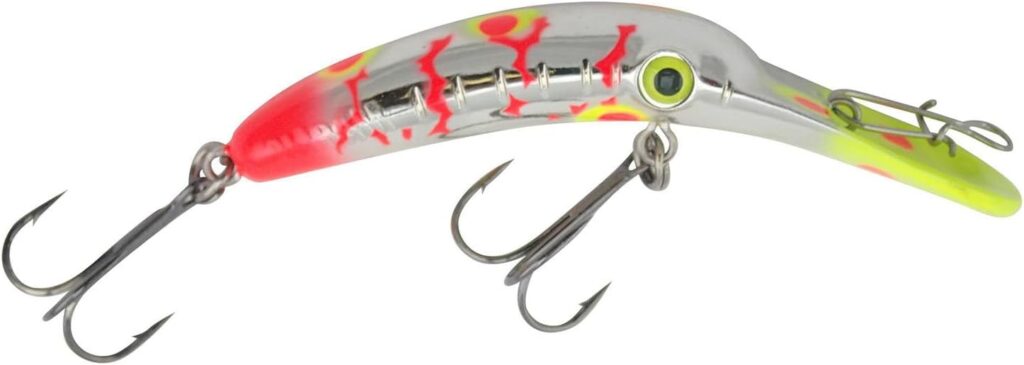
The 4.0 is my go-to starting point. Big enough to get attention, but still natural enough for a wide range of conditions.
If you’re just getting into plug fishing, this is where I’d start.
Alternate Plug Option
Luhr Jensen K15 Kwikfish, Rattle, Double Trouble, 5″
This one has a wider, more aggressive wobble. When fish need a little more convincing, this can trigger those reaction bites.
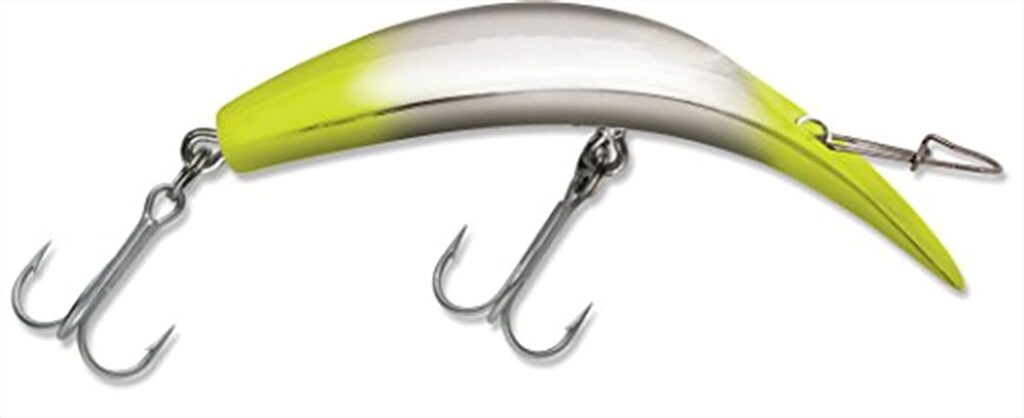
The K15 is the most versatile size for Chinook.
Pro Tip: Bait Wrapping Plugs
I never run plugs straight out of the package.
Wrapping them with herring or sardine fillet adds scent and slightly changes the action. On tough days, that small change is often what gets fish to finally commit.
When to Use Each Lure
- Spinners: covering water, active fish
- Spoons: deeper runs, suspended fish
- Beads: natural drift, pressured fish
- Jigs: aggressive or float presentations
- Plugs: holding water, reaction bites
Best Conditions for Each Lure Type
- Clear water: smaller, natural presentations
- Stained water: bigger, brighter lures
- Fast current: heavier setups
- Slow water: subtle, natural approach
Final Thoughts
There’s no single best salmon lure for river fishing. The fish will tell you what they want that day.
What matters is having the right options and knowing when to switch.
Build a simple lineup:
- spinners
- spoons
- beads
- jigs
- plugs
Learn when each one shines, and you’ll be ready for almost anything.
If you’re trying to tie all of this together into one system, take a look at my full salmon fishing setup for rivers guide.
FAQ
What are the best salmon lures for river fishing?
The best salmon lures for river fishing include spinners, spoons, soft beads, jigs, and plugs. The right choice depends on water conditions, visibility, and how aggressive the fish are on that day.
What lures work best for Chinook salmon in rivers?
For Chinook salmon, larger lures tend to work best. Spinners, plugs like Mag Lips and Kwikfish, and heavier jigs are all strong options, especially in deeper water or stained conditions.
Are spinners or spoons better for salmon fishing?
Spinners are better for covering water and triggering reaction bites, while spoons work better in deeper runs or when fish are suspended and less aggressive. Both have a place depending on the conditions.
Do lures work better than bait for salmon?
Lures can be very effective, especially when fish are aggressive. However, bait often produces better results when salmon are pressured or less willing to chase. Many anglers switch between both depending on the situation.
What size lures should I use for salmon fishing?
For Chinook salmon, larger lures are typically more effective, especially in deeper or stained water. Smaller presentations can work better in clear water or when fish are pressured.
Can you catch salmon with jigs in rivers?
Yes, jigs are one of the most effective salmon lures. Twitching jigs can trigger aggressive strikes, while fishing jigs under a float creates a more natural presentation. I go over that setup in my salmon float rig setup guide.
Do you need to use bait with salmon lures?
Not always, but adding bait can increase your success. For example, tipping jigs with shrimp or bait wrapping plugs with herring or sardine fillets can help trigger more bites.
What is the best setup for salmon lure fishing?
A balanced setup is key. That includes the right rod, reel, line, and terminal tackle matched to your lure. If you want a full breakdown, check out a complete salmon fishing setup guide.